Espresso Drinks at Home: Ristretto, Iced Latte, Espresso Tonic + Syrup Picks

If you want café-style drinks at home, you don’t need twenty gadgets — you need a small, repeatable routine and ingredients that match the drink. This guide is built around five practical drink “families”: a balanced espresso baseline (with an optional ristretto), a milk-forward espresso for cappuccinos and latte art, an iced latte that still tastes like coffee, a bright espresso tonic that stays refreshing, and a syrup latte where sweetness is controlled — not chaotic.
Quick Picks: Coffee + Syrup Sets for Each Drink
Each section includes a short, guide-style recipe and a small buying set (coffee, tonic, and syrups). You can start with one coffee and one syrup, repeat it for a week, and only add variety if you genuinely want it.
-
Baseline: Balanced Espresso + Ristretto
↓ Jump to Recipe -
Milk Drinks: Cappuccino + Latte Art
↓ Jump to Recipe -
Cold Classic: Iced Latte
↓ Jump to Recipe -
Refreshing: Espresso Tonic
↓ Jump to Recipe -
Sweet: Syrup Latte (3 syrup picks)
↓ Jump to Recipe
Think of coffee as the base note and syrup as seasoning. If your baseline espresso tastes good on its own, every drink that follows becomes easier. If your baseline is random, milk and sugar will hide problems — until you drink it iced or with tonic. That’s why the order here is deliberate: baseline → milk → iced → tonic → syrup.
The Drinks: A Practical Home Menu
Below, each drink section explains what you’re aiming for, what usually goes wrong, and how the chosen products support the intended flavor. The product cards are the small sets you can buy without overloading your pantry.
1) Baseline Espresso: Balanced + Ristretto

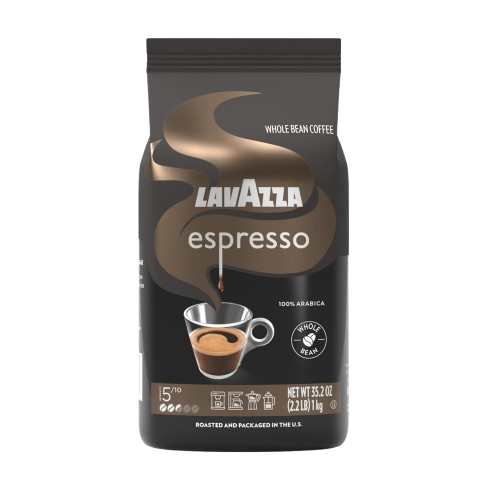
A balanced espresso is not a mystical “perfect shot.” It’s simply the espresso that gives you a reliable reference point: sweetness first, bitterness controlled, acidity present but not sharp. When you have that baseline, everything else becomes a variation. Ristretto is the same coffee pulled shorter, typically with a denser texture and a more concentrated flavor. It can be a great choice for people who like espresso that feels thick and “syrupy,” especially with darker-leaning coffees.
The cup matters too. Ristretto and balanced espresso are “small” drinks, so any defect feels bigger. If your espresso is thin, you notice it immediately. If it’s harsh, the finish lingers. That’s why starting with the right coffee helps: blends and roasts designed for espresso are usually easier to make taste rounded, and they tend to produce the warm crema-forward look many people expect from espresso photography.
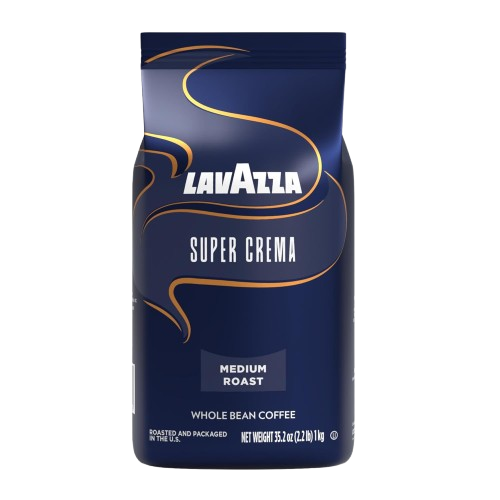
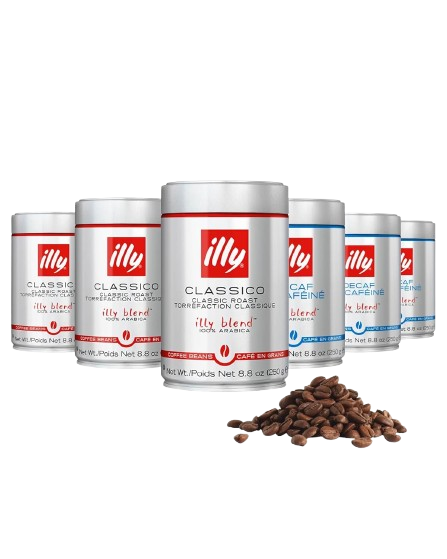
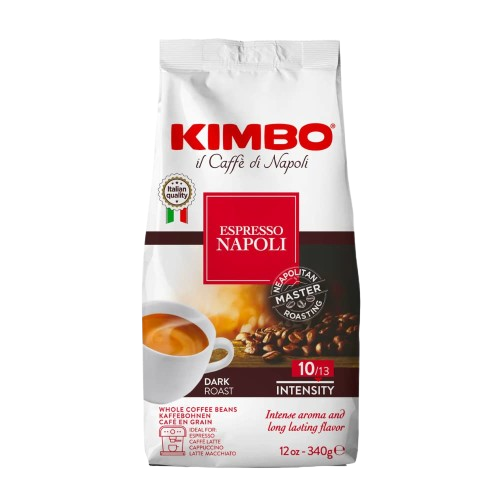
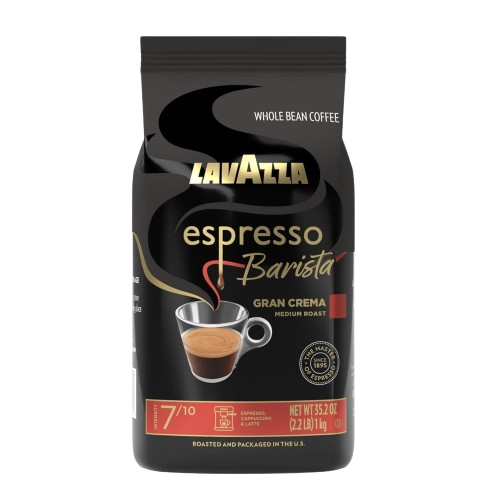
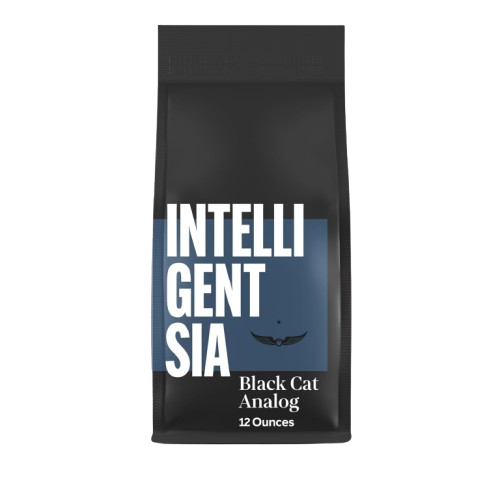
Think of the next three coffees as a practical baseline set. You don’t need to buy all three — but it helps to have options if your taste leans creamy and classic, clean and tidy, or bold and dense.
A guide-style baseline routine
Keep one variable stable: your dose and your cup. Pull a shot and taste it in three moments: first sip hot, second sip warm, last sip closer to room temp. If the espresso becomes sweeter and clearer as it cools, you’re close. If the espresso becomes sour as it cools, it’s usually under-extracted or simply too bright for your desired style. If it becomes dry and bitter, you likely pushed too far and extracted unpleasant compounds.
To explore ristretto, keep everything the same and stop the shot earlier. The goal is concentration without aggression. A good ristretto feels thicker and more “compact,” with less of the long, dry finish. If it tastes burnt or stuck, you went too far in a direction that restricts flow.
How to choose between the three coffees
If you want a creamy, forgiving baseline espresso that reads classic in the cup, start with option #1. If you want a cleaner cup that tastes smooth and tidy, start with option #2. If you want a bold espresso that turns dense when pulled short, option #3 is the most natural fit for ristretto. After a week with one coffee, you’ll know whether you want to stay in that flavor lane or experiment with the others.
2) Espresso for Milk (Cappuccino, Latte Art)

Milk drinks are where most home routines live — and where coffee choice matters more than many beginners expect. Milk is sweet, creamy, and aromatic, but it also dilutes espresso. That means your base shot needs enough structure to remain present. Coffees that lean cocoa, toasted nuts, and caramel typically stay satisfying after milk dilution. Bright, floral coffees can be delicious, but in milk they can taste thin unless you are intentionally chasing that modern profile.
Cappuccino and latte are not different because of espresso. They’re different because of milk texture and ratio. Cappuccino usually has more foam structure and feels “lighter” on the tongue. Latte is more liquid milk with a thin, silky foam layer. Latte art requires microfoam that is glossy and unified — not stiff foam. In practice, the most common home mistake is overheating milk. Overheated milk loses sweetness and makes the drink taste flat.
A guide-style cappuccino → latte flow
Pull the espresso and set it aside. Steam milk until it looks glossy, like wet paint. If you hear loud “paper tearing” sounds for too long, you’re adding too much air. For cappuccino, keep a touch more foam and stop steaming slightly earlier. For latte, focus on texture and keep foam minimal. When you pour, start high to integrate milk and espresso, then move closer to the surface to create art. Even if you don’t care about the pattern, the pouring method affects taste: good integration keeps the drink creamy instead of layered.
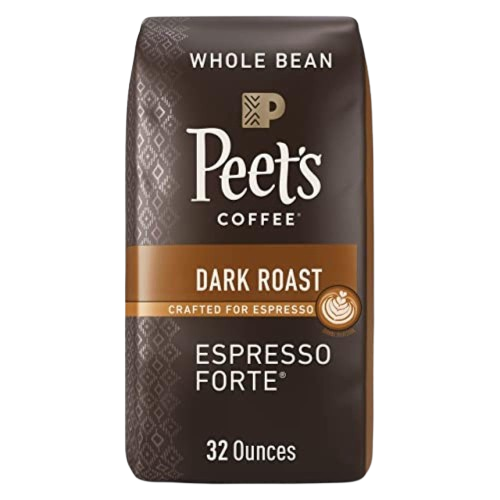
If your milk drinks taste weak, the fix is usually not “more syrup.” The fix is a coffee base that stays present and a milk routine that stays sweet. The two coffee picks in this section are chosen for that job: they keep the drink coffee-forward even when the milk is doing its softening work.
3) Iced Latte
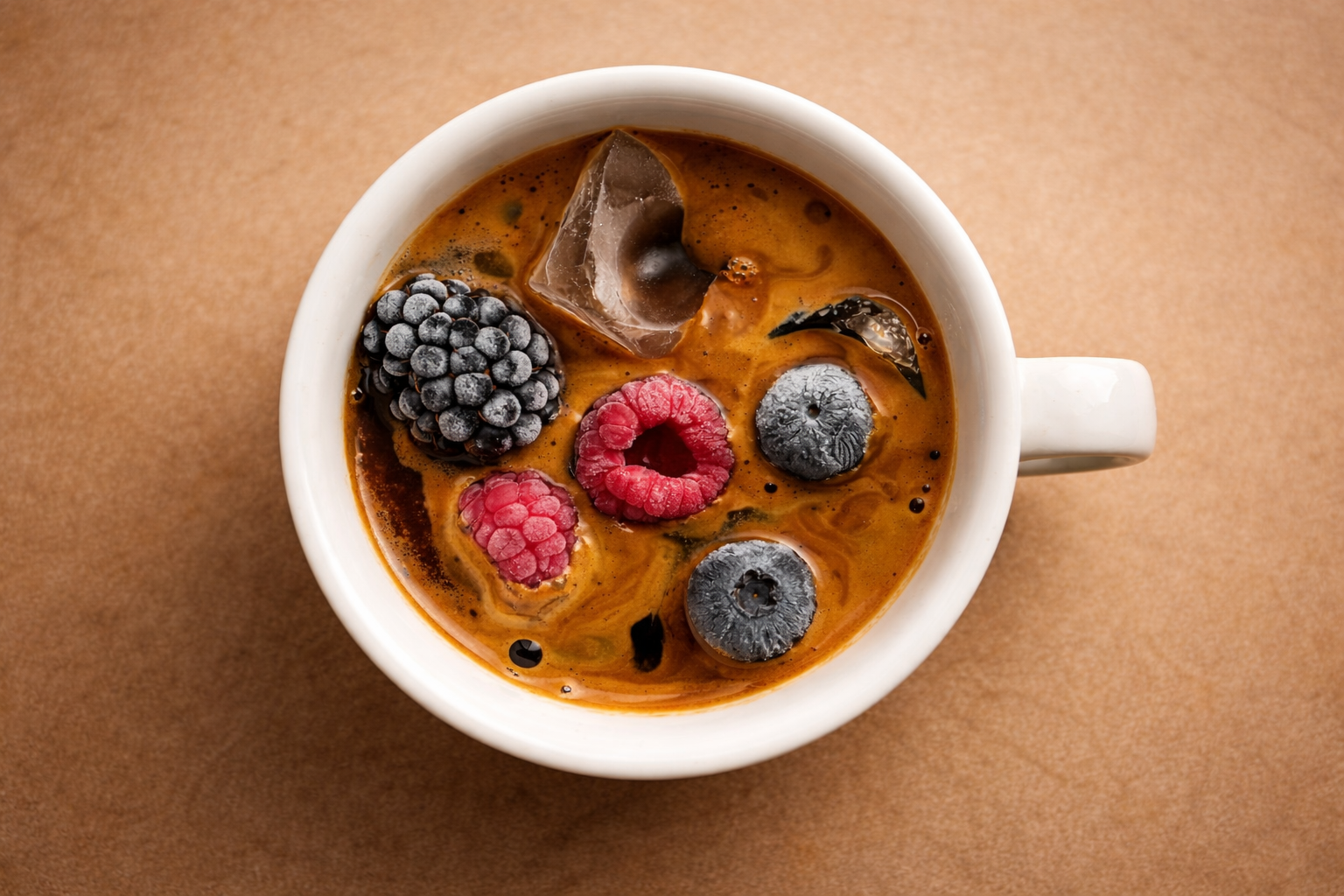
Iced lattes look easy, but they’re one of the fastest ways to learn how dilution changes your drink. Cold milk is less aromatic than warm milk. Ice melts and quietly waters everything down. That’s why iced lattes often taste “nice” but not memorable. The fix isn’t more syrup — it’s a stronger, cleaner coffee base and a build order that protects flavor.
The best iced latte routines are structured. You control sweetness first, then you control dilution. If you stir aggressively, you melt ice and thin the drink immediately. If you use tiny ice, it disappears quickly and the latte becomes watery before you finish. Larger ice and less stirring are a surprisingly strong upgrade.
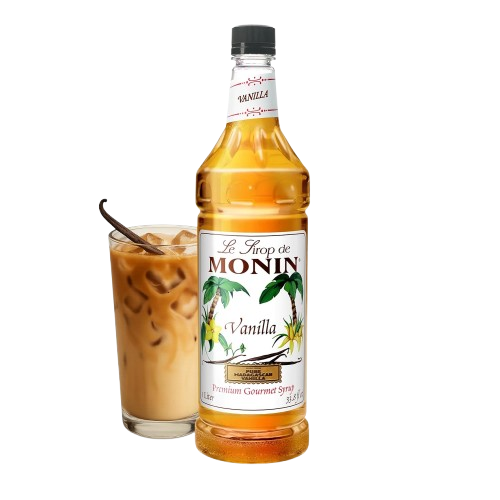
A guide-style iced latte routine (with vanilla)
Chill your glass if possible. Fill it with ice and add cold milk. Pull espresso and dissolve a modest amount of vanilla syrup into the espresso while it’s hot. Pour espresso gently over milk and ice. If you want a layered look, don’t stir right away. If you want even flavor, stir briefly and stop. The goal is a drink that tastes like coffee first, vanilla second — not a vanilla milkshake with coffee color.
If your iced latte is weak, reduce milk volume slightly, use larger ice, and avoid long stirring. If it is harsh, choose a coffee that is more rounded and chocolate-leaning. Cold drinks amplify “sharpness” when the base is aggressive.
4) Espresso Tonic

Espresso tonic is the drink that exposes flaws quickly — which is why it’s so good when it’s done right. Tonic brings bitterness and citrus. Espresso can bring bitterness too. If you combine a very dark, smoky espresso with a sharp tonic, the drink can collapse into a harsh finish. A cleaner, more balanced espresso makes the tonic feel refreshing instead of sharp.
The visual is part of the appeal: the coffee layer sitting on top of bright tonic and ice. Don’t rush the build. Keep everything cold and pour gently so the espresso floats. You’re aiming for a gradual mix as you sip, not a fully blended brown soda.

A guide-style espresso tonic build
Start with a cold highball glass and fill it with ice. Add tonic first so you can taste it — some tonics are sweet, others are more herbal. Pull espresso and pour it over the back of a spoon or onto an ice cube. Don’t stir immediately. If the drink tastes harsh, adjust coffee choice and temperature before you add sweetness.
Espresso tonic is not a syrup drink by default. If you want a sweeter version, do it gently: a small syrup dose can round edges, but it can also fight tonic’s character. Taste the clean version first. Then add sweetness only if you prefer that direction.
5) Syrup Latte (3 Syrup Picks)

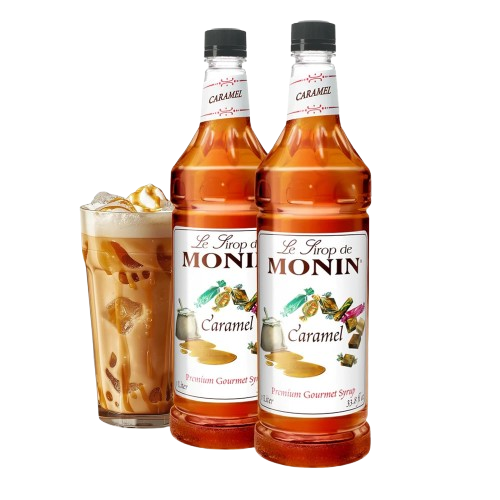
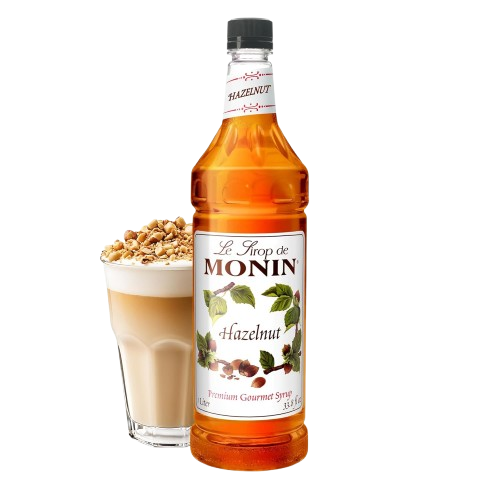
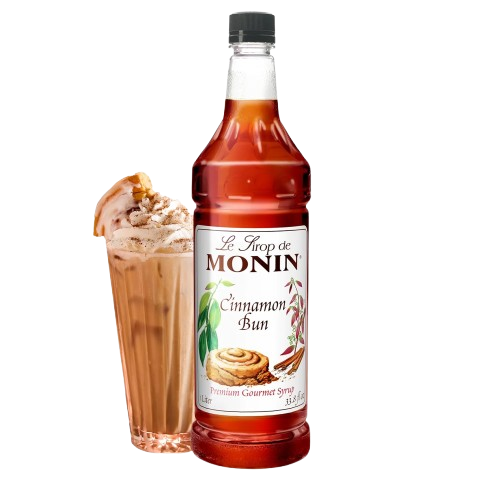
Syrup lattes are easy to love — and easy to ruin. The common mistake is treating syrup like the main ingredient. In a good syrup latte, espresso is still the center. Syrup simply gives the drink a familiar direction: caramel for toasted sweetness, hazelnut for rich dessert notes, cinnamon for warm spice.
Use a milk-friendly espresso base (the coffees in the cappuccino section) and treat syrup as a measured accent. Start small, repeat the same amount for a few days, and only then adjust. This is how you stay in control instead of chasing sweetness.
A guide-style syrup latte routine
Add syrup to your cup first, then add espresso so the syrup dissolves instantly. Taste a small spoonful: you want coffee flavor with a clear hint of syrup. Then add milk. For hot lattes, steam milk glossy. For iced syrup lattes, keep milk cold and use large ice. Stir only until the drink is uniform — extra stirring just melts ice and flattens flavor.
Caramel is usually the easiest crowd-pleaser. Hazelnut leans richer and pairs well with cappuccino texture. Cinnamon is powerful; it can be excellent, but it also amplifies bitterness if your espresso is over-extracted. If cinnamon tastes “sharp,” clean up your espresso base before you increase syrup.
After the Drinks: A Syrup Lineup That Makes Sense
Don’t buy five syrups on day one. A practical home lineup is small: one baseline syrup, one dessert syrup, and one “character” syrup. If you like iced lattes, vanilla is usually the most flexible baseline. If you want richer dessert lattes, caramel and hazelnut are the easiest wins. Cinnamon is best added last, once your base espresso is clean and repeatable.
- Start with one: learn your cup size and your “sweet spot” dose.
- Add variety second: caramel or hazelnut gives a different direction without chaos.
- Add spice last: cinnamon is fun, but it’s less forgiving if the espresso base is harsh.
Final Thoughts
Good home drinks come from boring consistency: a baseline espresso you like, a milk routine that stays sweet, iced builds that don’t dilute themselves, and syrups used as measured accents. Start small, repeat what works, and your “home café” will feel effortless instead of experimental.