A teaspoon of brown sugar, a squeeze of honey and a few drops of stevia can all sweeten coffee. They bring different flavors, dissolve differently and rarely represent the same dose. Choose the ingredient for the drink, then learn the amount your cup needs. A small espresso gives you far less room for a heavy hand than a tall iced latte.
Quick picks: sugars, honey and pantry syrups
 Portable cane sugarSugar In The Raw
 Molasses-rich sweetnessWholesome Dark Brown
 Distinct sugar textureIndia Tree Demerara
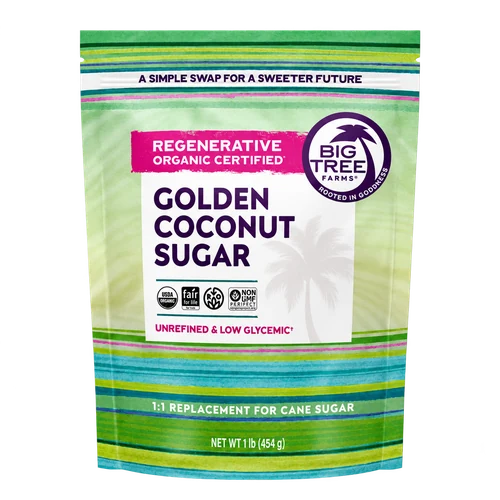 Coconut sugar pantry supplyBig Tree Farms Coconut
 Bulk pantry cane sugarWholesome Cane Sugar
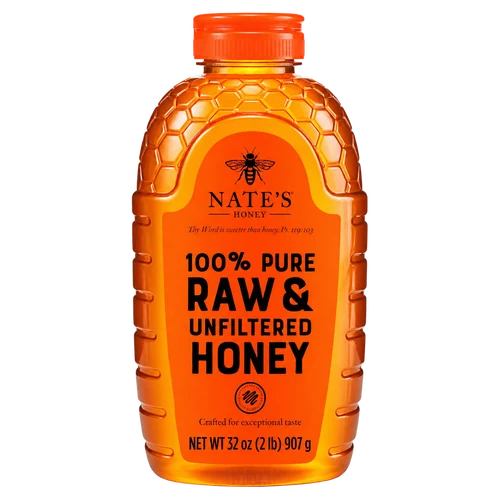 Everyday squeeze bottleNate’s Raw Honey
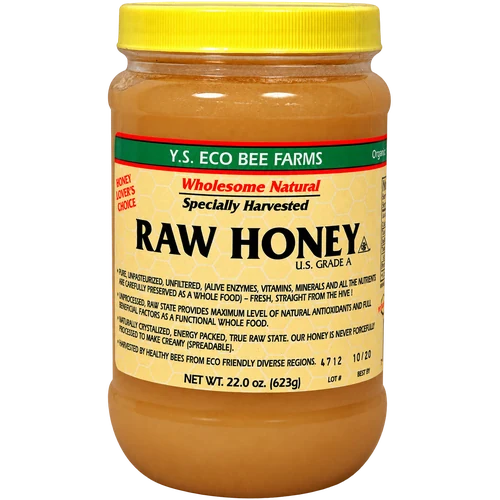 Spoonable honey textureY.S. Eco Bee Farms
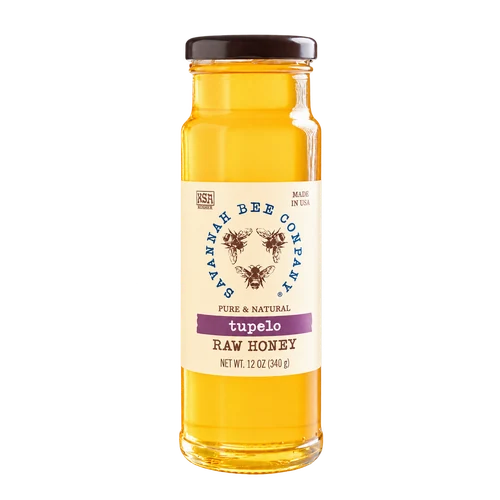 A varietal honey to tasteSavannah Bee Tupelo
 Explore mānuka honey flavorWedderspoon MGO 150+
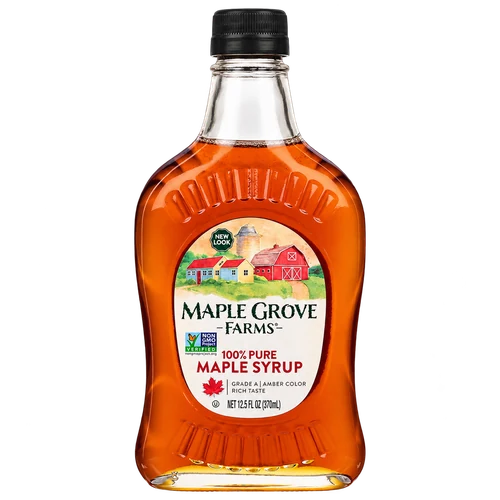 Maple flavor in a latteMaple Grove Pure Maple
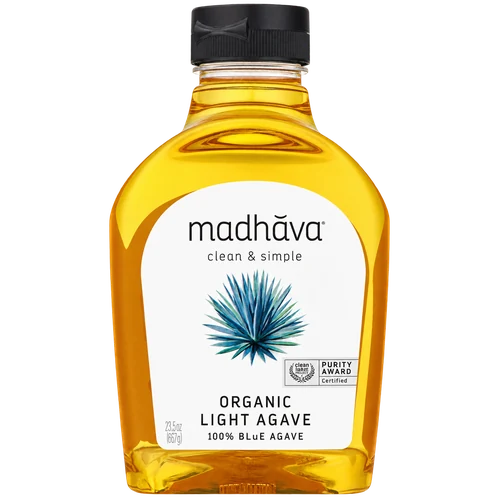 A mild pantry liquidMadhava Light Agave
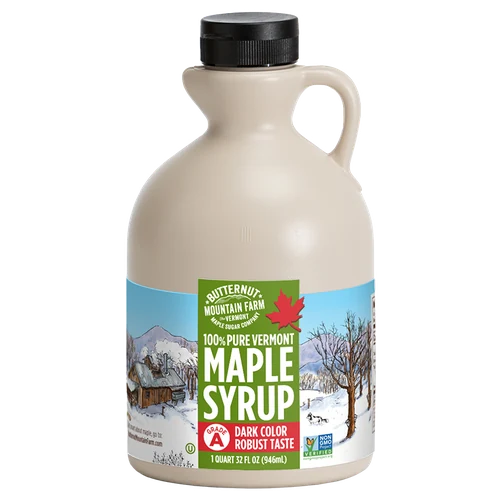 Robust maple characterButternut Mountain Farm
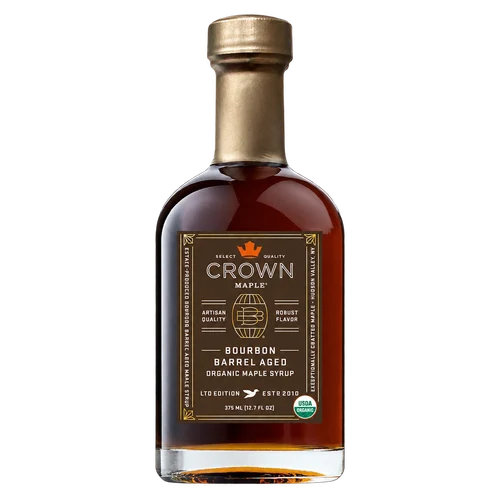 A deliberate barrel-aged maple flavorCrown Maple Barrel Aged
 A single-bottle agave purchaseWholesome Blue Agave
Quick picks: blends, drops, syrups and sauces
Compare the carrier, flavor and serving directions for the exact formula.
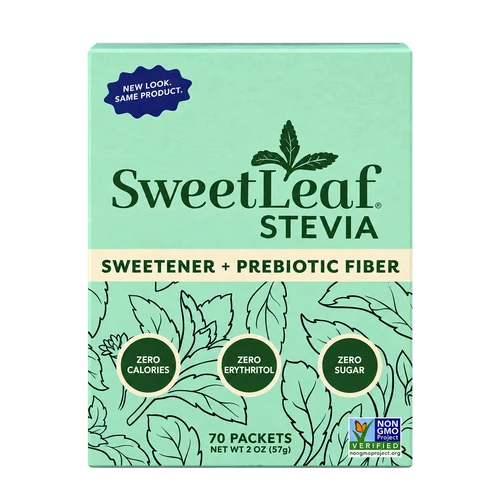 Stevia without erythritolSweetLeaf Stevia Packets
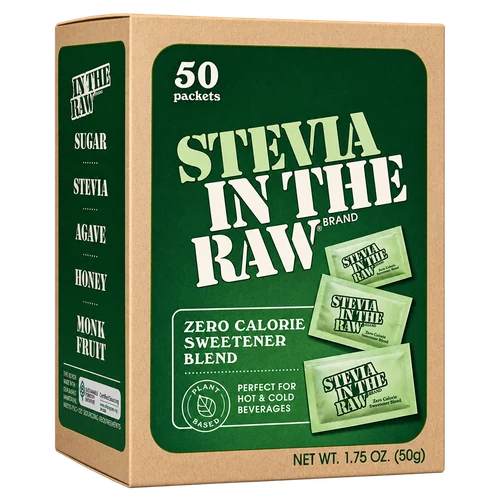 Convenient stevia packetsStevia In The Raw
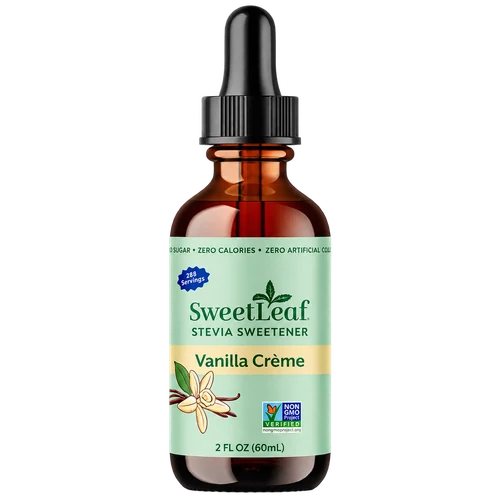 Vanilla flavor in small dosesSweetLeaf Vanilla Drops
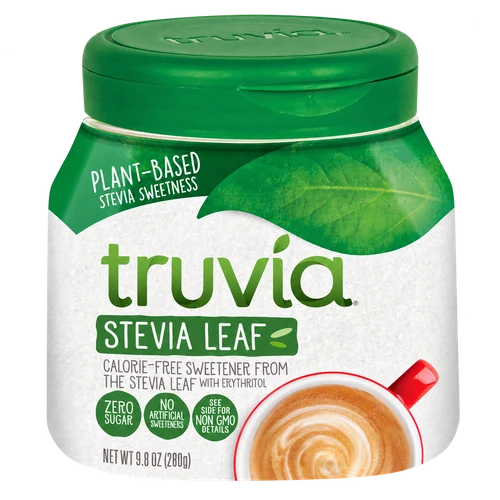 A spoonable stevia blendTruvia Original
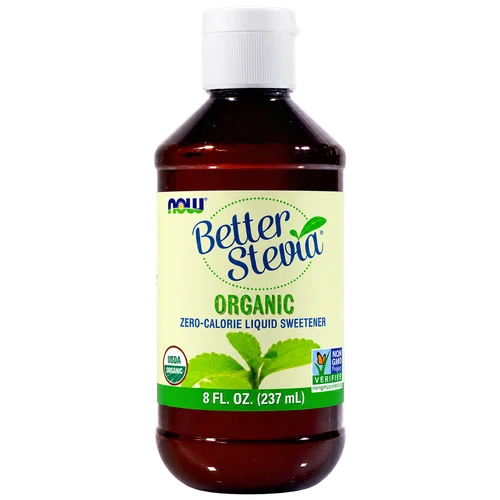 Large liquid stevia supplyNOW Organic BetterStevia
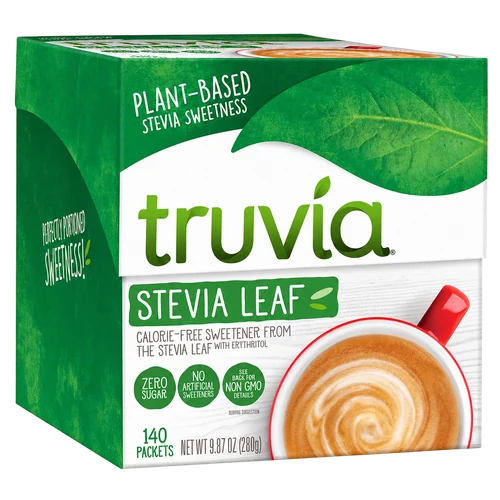 Portable Truvia portionsTruvia Packets
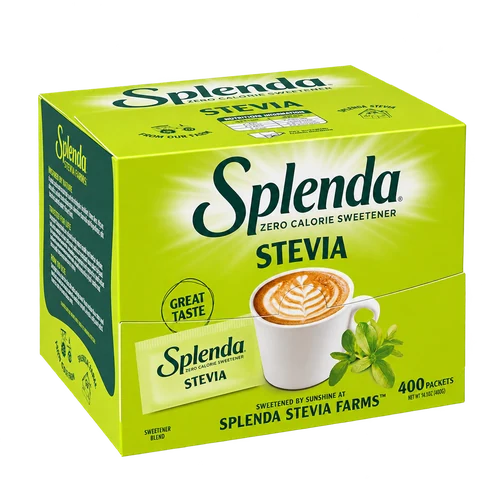 A clearly labeled shared-station optionSPLENDA Stevia Packets
 Monk fruit with alluloseLakanto with Allulose
 A spoonable monk fruit blendMonk Fruit In The Raw
 Concentrated monk fruit dropsLakanto Liquid Original
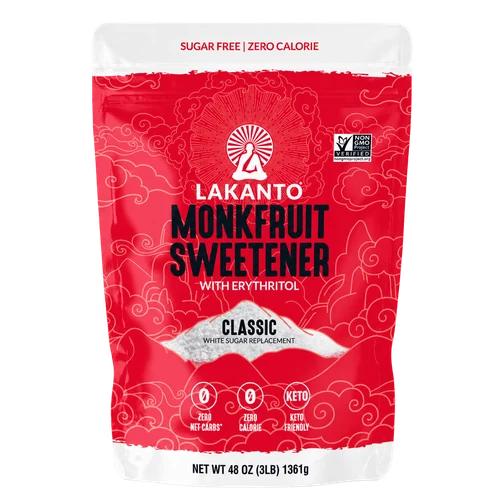 Spoonable erythritol blendLakanto Classic with Erythritol
 A Golden blend for pantry and coffeeLakanto Golden with Erythritol
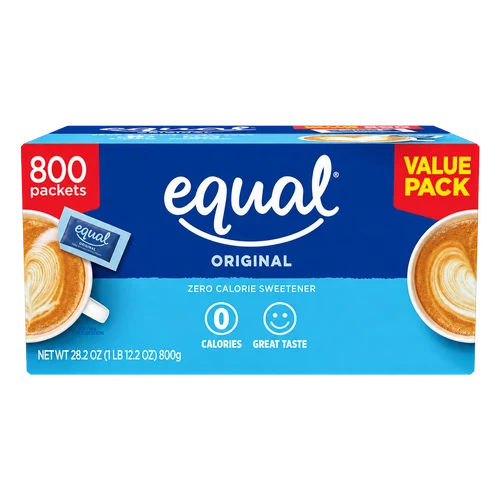 Aspartame-based coffee-station packetsEqual Original
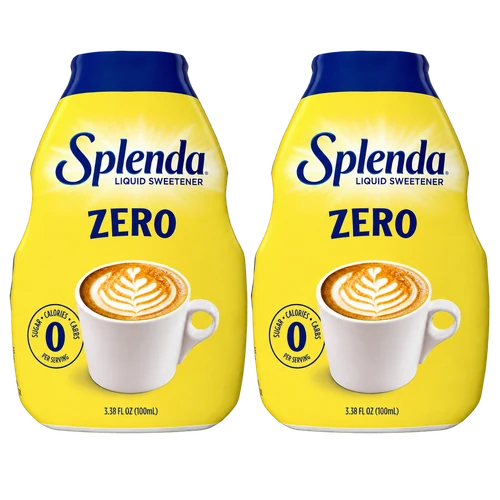 Liquid sucralose for hot or iced coffeeSPLENDA Liquid Original
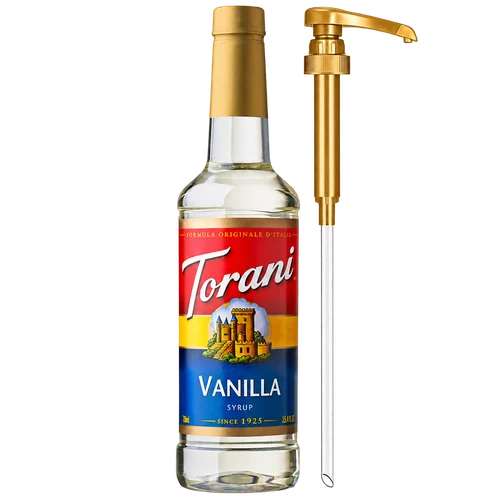 Classic vanilla latte syrupTorani Vanilla
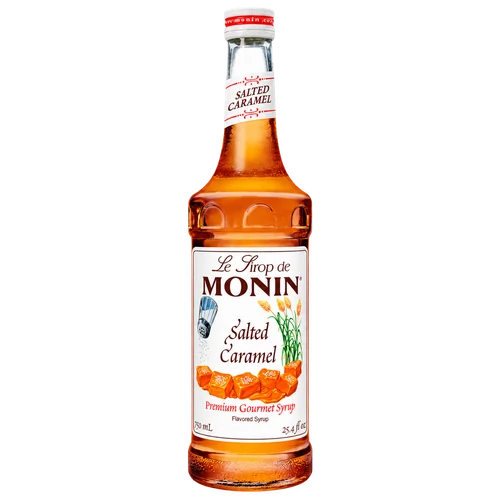 Caramel flavor with a salt accentMonin Salted Caramel
 Sugar-free syrup with a pumpTorani Sugar Free Vanilla
 Sugar-free vanilla without a pump bundleSkinny Mixes Vanilla
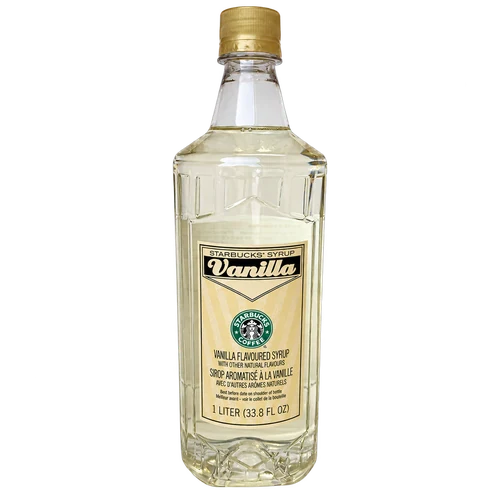 Classic vanilla latte flavorStarbucks Vanilla
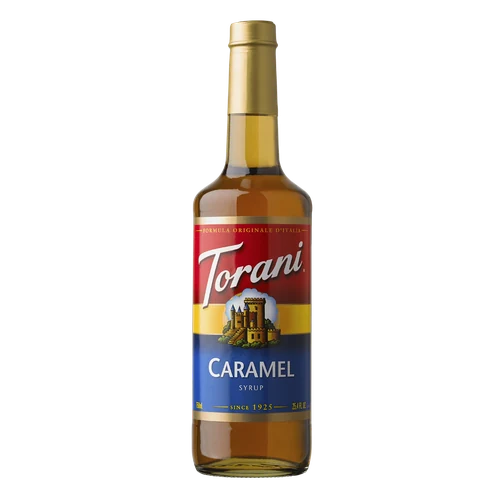 Caramel flavor throughout the drinkTorani Classic Caramel
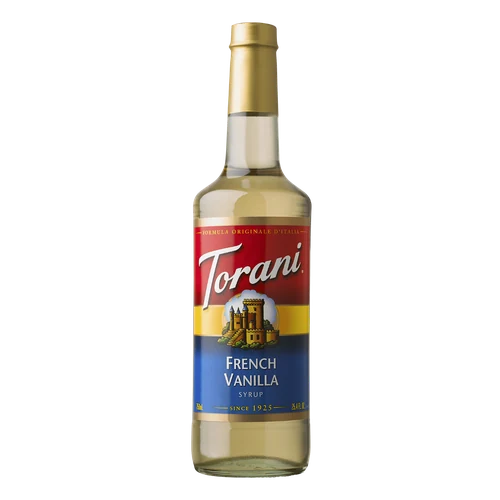 A second vanilla flavor to compareTorani French Vanilla
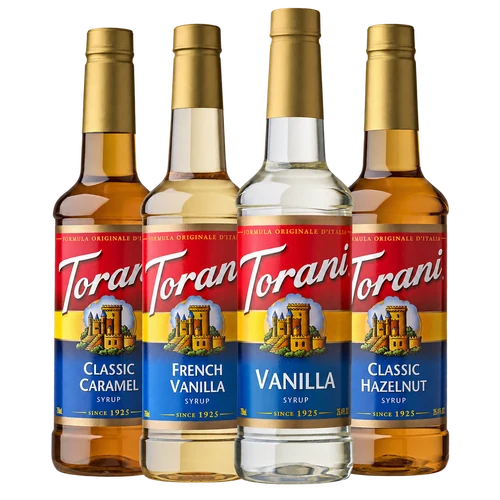 Vanilla, French Vanilla, Caramel and HazelnutTorani Coffeehouse Variety Pack
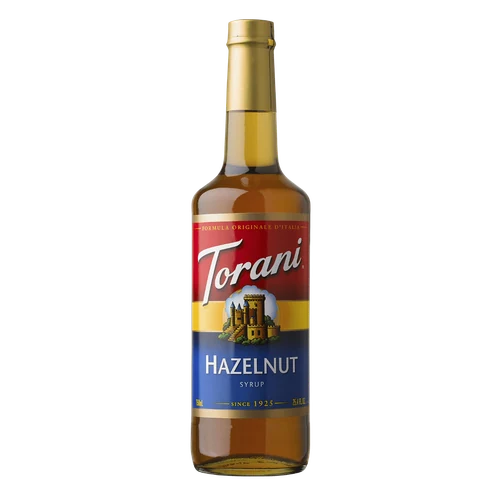 Nut-flavored milk coffeeTorani Hazelnut
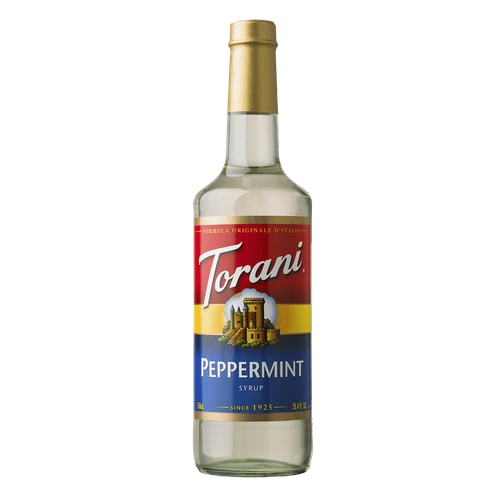 Peppermint mocha flavorTorani Peppermint
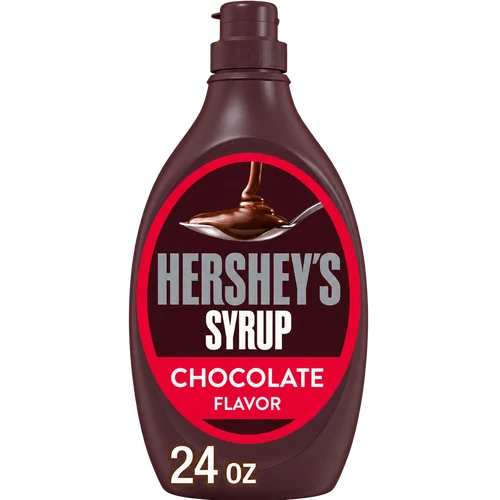 A simple mocha ingredientHERSHEY’S Chocolate
 Caramel body and drizzleGhirardelli Caramel Sauce
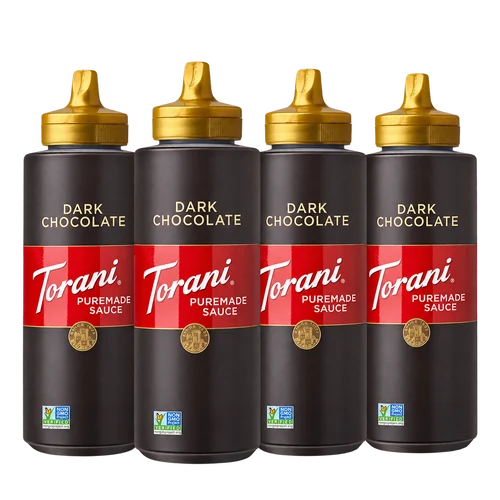 A regular dark chocolate mochaTorani Puremade Dark Chocolate
 Caramel lattes and a finishing drizzleTorani Puremade Caramel Sauce
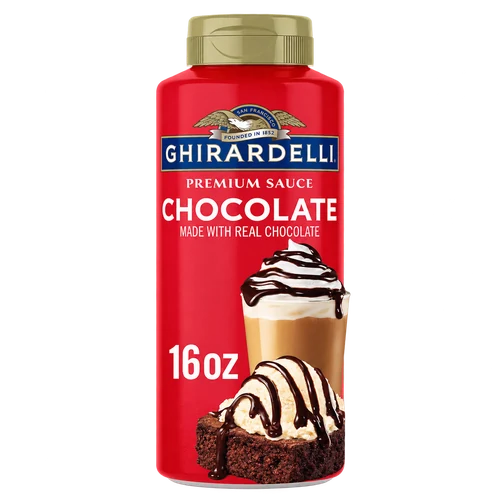 A single-bottle mocha supplyGhirardelli Chocolate Sauce
What is the best sweetener for coffee?
Start with sugar for familiar sweetness, honey or maple for a deliberate flavor, and a labeled stevia or monk fruit blend when you want a sugar substitute. For iced coffee, a measured liquid syrup is convenient; dissolve coarse sugar or thick honey in the warm coffee before adding cold milk and ice. Vanilla and caramel syrups add flavor as well as sweetness.
Read the ingredient list before buying a substitute. Stevia on the front can mean an inulin blend, a dextrose packet or an erythritol tub; monk fruit can mean allulose granules, erythritol granules or concentrated drops. Keep your espresso and milk quantities consistent while comparing them. Our guide to coffee for lattes, cappuccinos and flat whites helps you choose the coffee underneath the sweetener.
Choose for the coffee you actually make
A little sweetness in a straight espresso is a different job from building a vanilla latte. In the first drink, you are working with a small volume and a concentrated coffee flavor. In the second, milk and a flavoring are part of the recipe. A measured spoon works for an occasional drink; a pump becomes useful when you repeat the same flavored recipe.
- Espresso or a small Americano. Use a small, controllable dose. A partial packet or a level measuring spoon makes it easier to stop before sweetness takes over.
- Cappuccino or flat white. Mix the sweetener into the espresso before pouring the milk. Taste the completed drink before adding more; the milk changes the balance.
- A flavored latte. Choose the flavor first, then its sweetening base. Ordinary vanilla syrup and sugar-free vanilla syrup make different recipes even when their bottles look similar.
- Iced latte or cold brew. Use a liquid that mixes readily, or dissolve granules in a small warm portion first. Sweetness sitting at the bottom of the glass cannot make the first sip representative.
- A shared coffee station. Offer clearly labeled choices and let each person dose their cup. Individual packets keep formulas recognizable and avoid a mystery powder in an unmarked bowl.
Keep the coffee, milk, cup and temperature the same when trying a different sweetener. If you change the beans and double the milk at the same time, you cannot tell whether the new honey or stevia caused the result. For a useful comparison, alter one ingredient at a time and write down the amount you liked.
Set the espresso recipe first
If a shot is unpleasant before you sweeten it, check the brew first. A syrup can change the finished flavor, but adding more cannot tell you whether the grind or extraction needs attention. Our espresso dialing-in guide covers those adjustments. Once the coffee is repeatable, choosing a sweetener becomes a much clearer exercise.
Read the carrier, serving size and flavor
The largest word on a sweetener package often names the concentrated ingredient. The ingredient that makes it easy to scoop may be something else. That matters when comparing two green stevia boxes or two orange monk fruit bags.
- Find the ingredient list. Look for the bulk ingredient: inulin, dextrose, erythritol or allulose. Liquid products may list water, glycerin and flavors alongside the extract.
- Find the actual serving. A packet, ¾ teaspoon, five drops and two tablespoons are four different measures. Do not transfer one product’s directions to another.
- Check whether it is flavored. Vanilla drops and Original monk fruit drops serve different purposes. Vanilla is useful when you want to change the drink’s aroma.
- Compare the right nutrition line. Total sugars, added sugars and total carbohydrate describe different things. Use the declared serving when comparing the numbers.
Honey, maple syrup and agave still contribute sugars when you add them to coffee. The FDA includes sugars from honey and syrups in its explanation of added sugars. Choose them for their flavor and handling and measure the dose you enjoy.
Allulose creates a particular labeling wrinkle: FDA guidance allows it to be excluded from Total Sugars and Added Sugars, while remaining part of total carbohydrate. The guidance uses 0.4 calories per gram for allulose. A zero-sugar label therefore does not mean the bag consists only of a tiny amount of monk fruit extract.
Compare the formula in the package, then the dose in the cup.
Cane, brown, demerara and coconut sugars
Texture changes the preparation, while molasses and coconut sugar change the flavor. Fine granules are convenient for a level spoon; coarse demerara needs more time in warm coffee. Compare those differences with package quantity before choosing an everyday supply.
| Image | Sweetener | Format / quantity | Sweetening base | Dosing / mixing | Useful distinction |
|---|---|---|---|---|---|
|
Sugar In The Raw | Packets · 200 packets | Turbinado cane sugar | Open into hot coffee; stir before milk | Coarse crystals need a thorough stir |
|
Wholesome Dark Brown | Fine, moist sugar · 24 oz · one bag | Cane sugar with molasses | Start with ½ teaspoon in a milk drink | Pack or level the spoon consistently |
|
India Tree Demerara | Large crystals · 16 oz · one pouch | Demerara cane sugar | Dissolve in warm coffee first | Do not sprinkle into a finished iced drink |
|
Big Tree Farms Coconut | Granules · 3 × 16 oz bags | Organic coconut blossom nectar | Try a small spoonful in coffee with milk | Adds its own brown-sugar flavor |
|
Wholesome Cane Sugar | Fine granulated sugar · 10 lb · one bag | Organic cane sugar | Start with ½ level teaspoon | Ten pounds is a substantial supply |
1. Sugar In The Raw: turbinado you can take with you

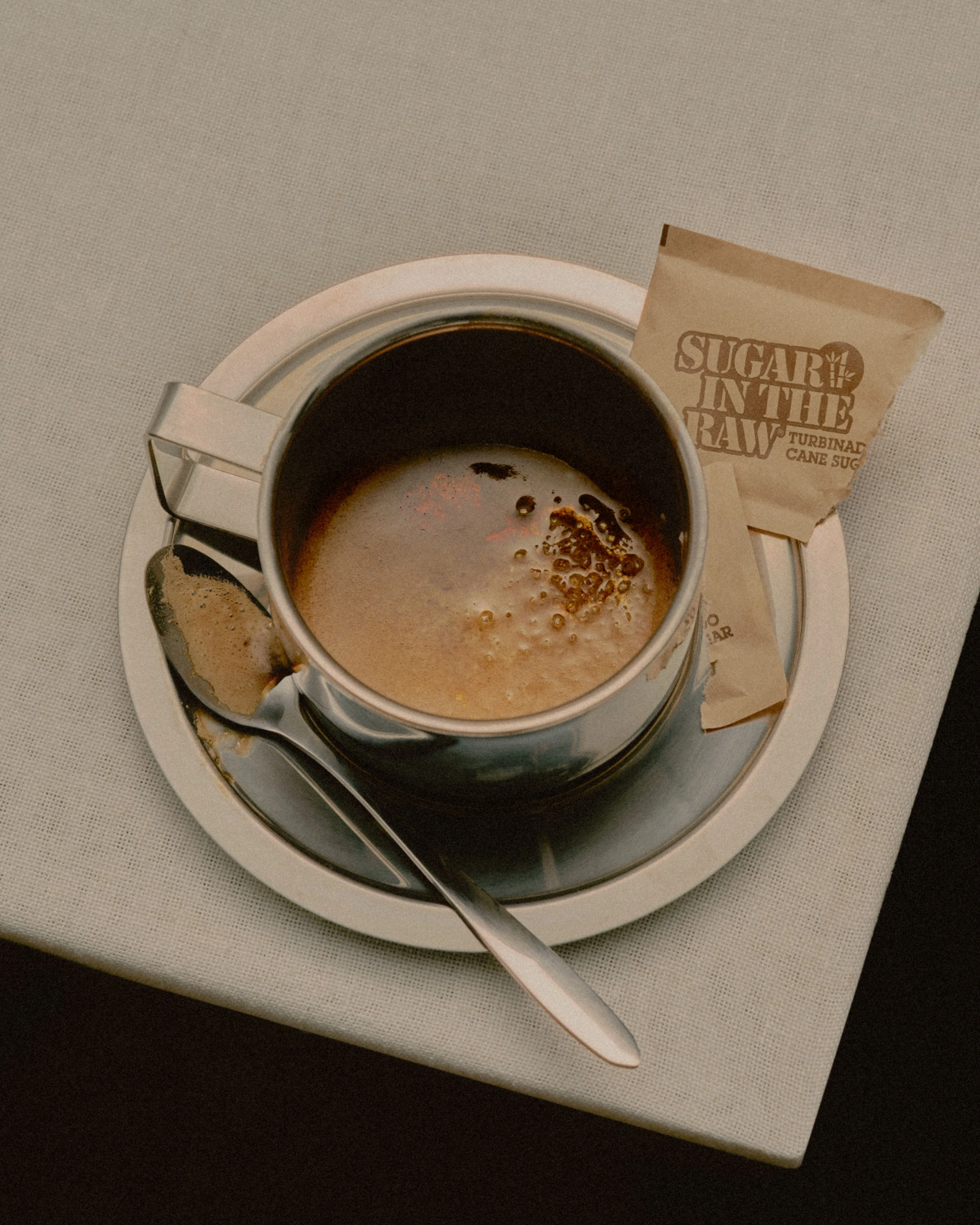
A box of 200 individual packets is easy to divide between the kitchen, work and a travel bag. Each wrapper keeps the sugar dry until you need it. The contents are turbinado cane sugar: golden, relatively coarse crystals with a different texture from fine granulated sugar.
Empty the packet into the warm coffee before adding milk. Give the crystals enough stirring to dissolve, especially when the espresso will become an iced latte. Sugar caught beneath ice can leave the first sip unsweetened and the last sip gritty. A small espresso may need only part of a packet; opening the wrapper does not commit you to using all of it.
The packet format earns its place when you carry sweetener or serve several people. For someone who always measures sugar at home, a jar and spoon involve less packaging and allow finer adjustments. Choose these for portability and individual portions, with the extra stirring that their coarse texture requires.
2. Wholesome Dark Brown: put the molasses flavor to work
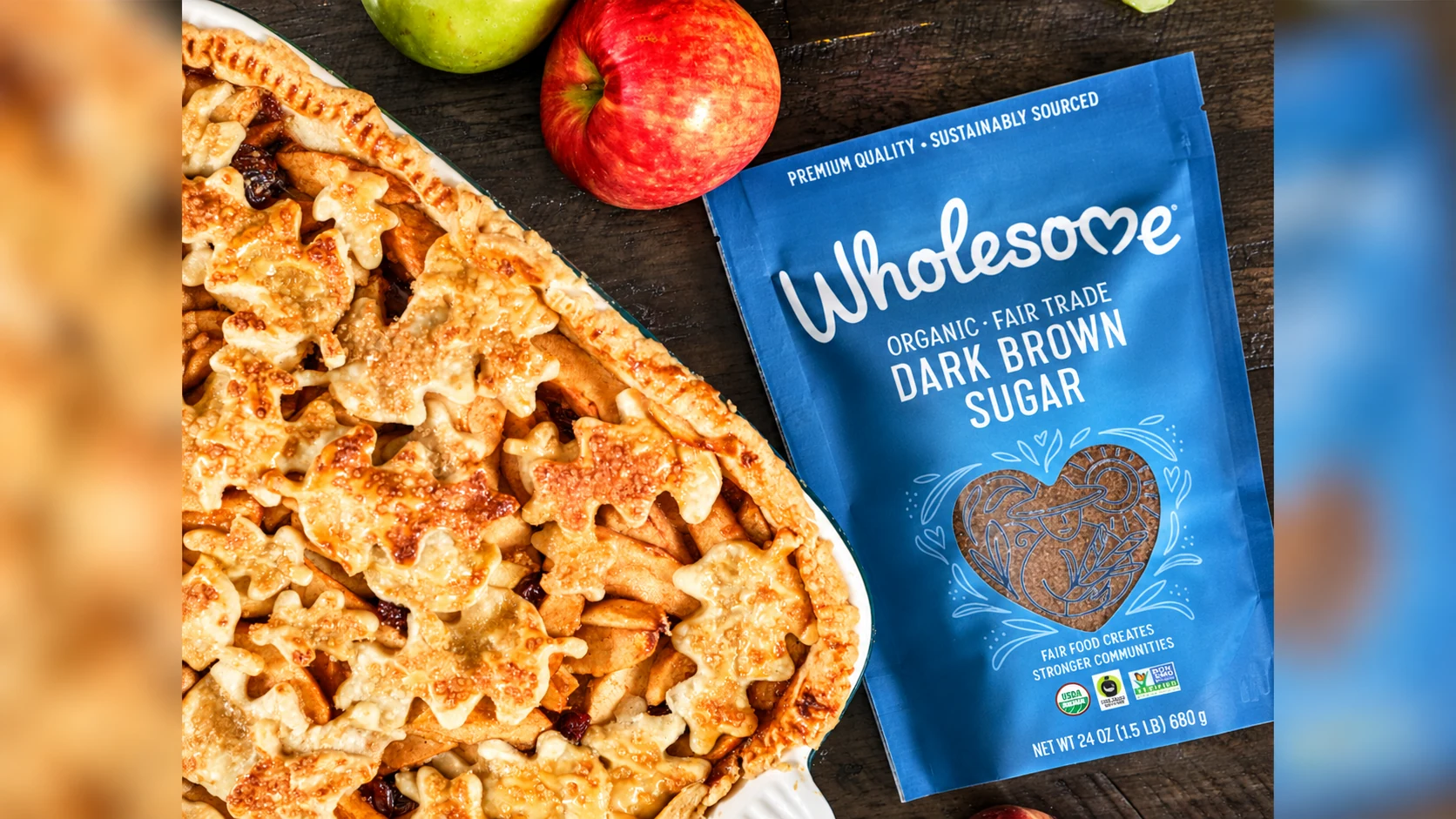
Dark brown sugar brings molasses into the coffee along with sweetness. Wholesome’s soft, moist cane sugar is worth trying in a milk drink when you enjoy that deeper sugar flavor. A coffee with cocoa or toasted-nut notes is a sensible starting pairing; a small black espresso will give the molasses much more prominence. The bag contains 24 oz.
Try ½ teaspoon stirred into warm espresso, then add your usual milk. Use the same packing method each time. A loose scoop and a firmly packed level spoon contain different amounts, even though both look like “half a teaspoon.” Weighing the portion is helpful if you want to reproduce a favorite brown-sugar latte closely. Keep the bag resealed so the sugar stays easy to scoop; a hard lump makes that careful measure much less convenient.
3. India Tree Demerara: coarse crystals with a mixing cost
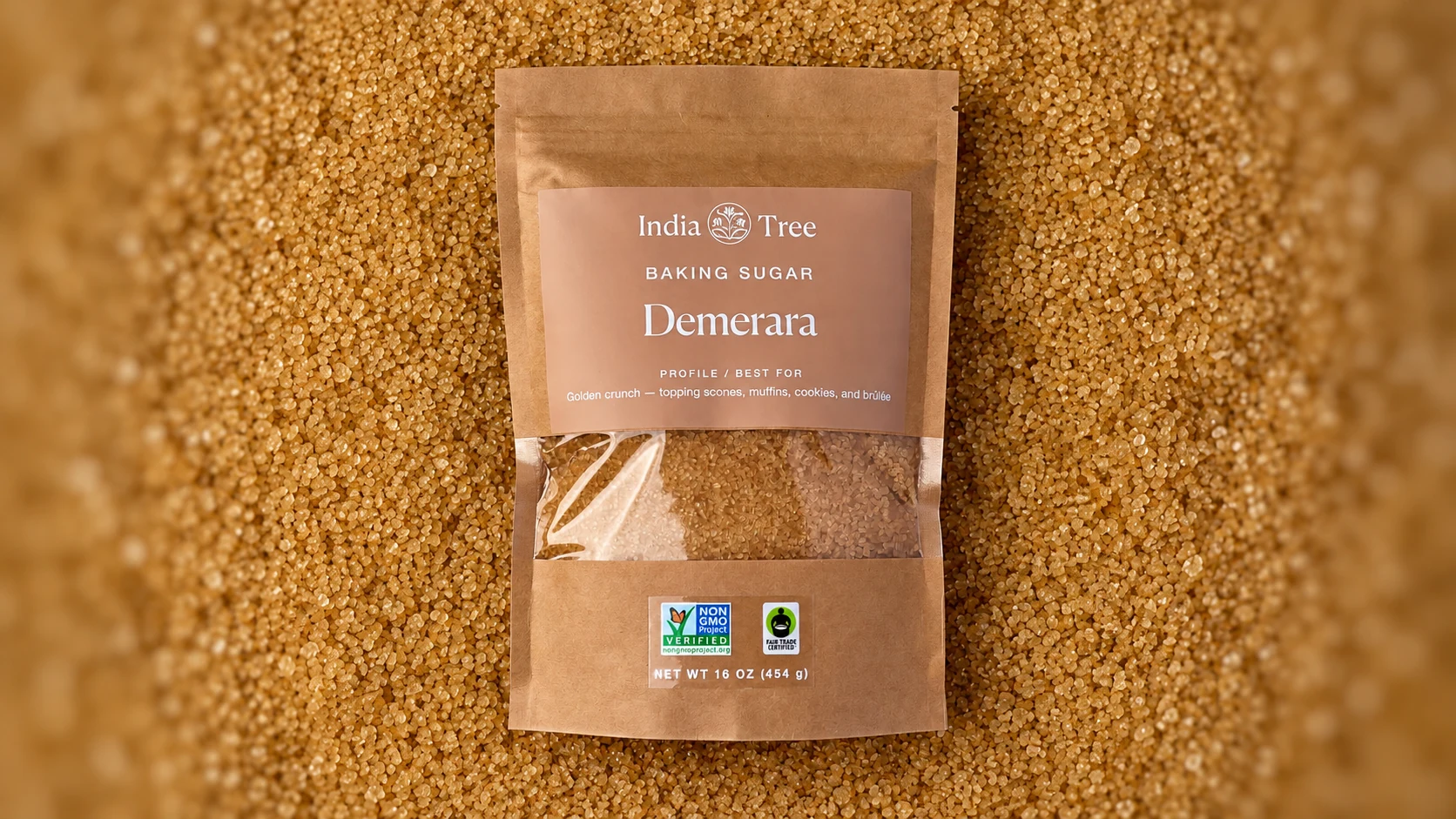
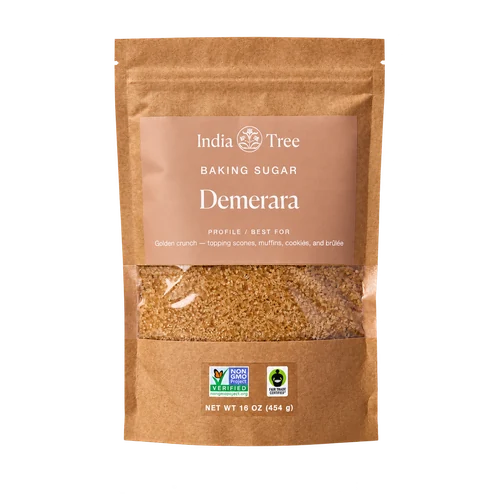
The large golden crystals are the defining feature of India Tree’s 16 oz demerara. They add crunch when used on food; in coffee, they need to disappear into the liquid. A warm shot and a thorough stir matter more here than with a fine-grained sugar. Check the base of the cup before pouring cold milk over the espresso.
For frequent iced drinks, a small homemade demerara syrup can save that daily dissolving step. Keep its sugar-to-water recipe with the bottle: a teaspoon of the resulting syrup contains water as well as sugar, so it has a different dose from a teaspoon of crystals. The dry bag is a better fit if you mostly sweeten hot coffee, enjoy demerara’s flavor and want the same sugar available for the kitchen. Buying coarse sugar solely for a finished cold brew adds an avoidable mixing task.
4. Big Tree Farms Golden Coconut Sugar: a toasted pantry flavor
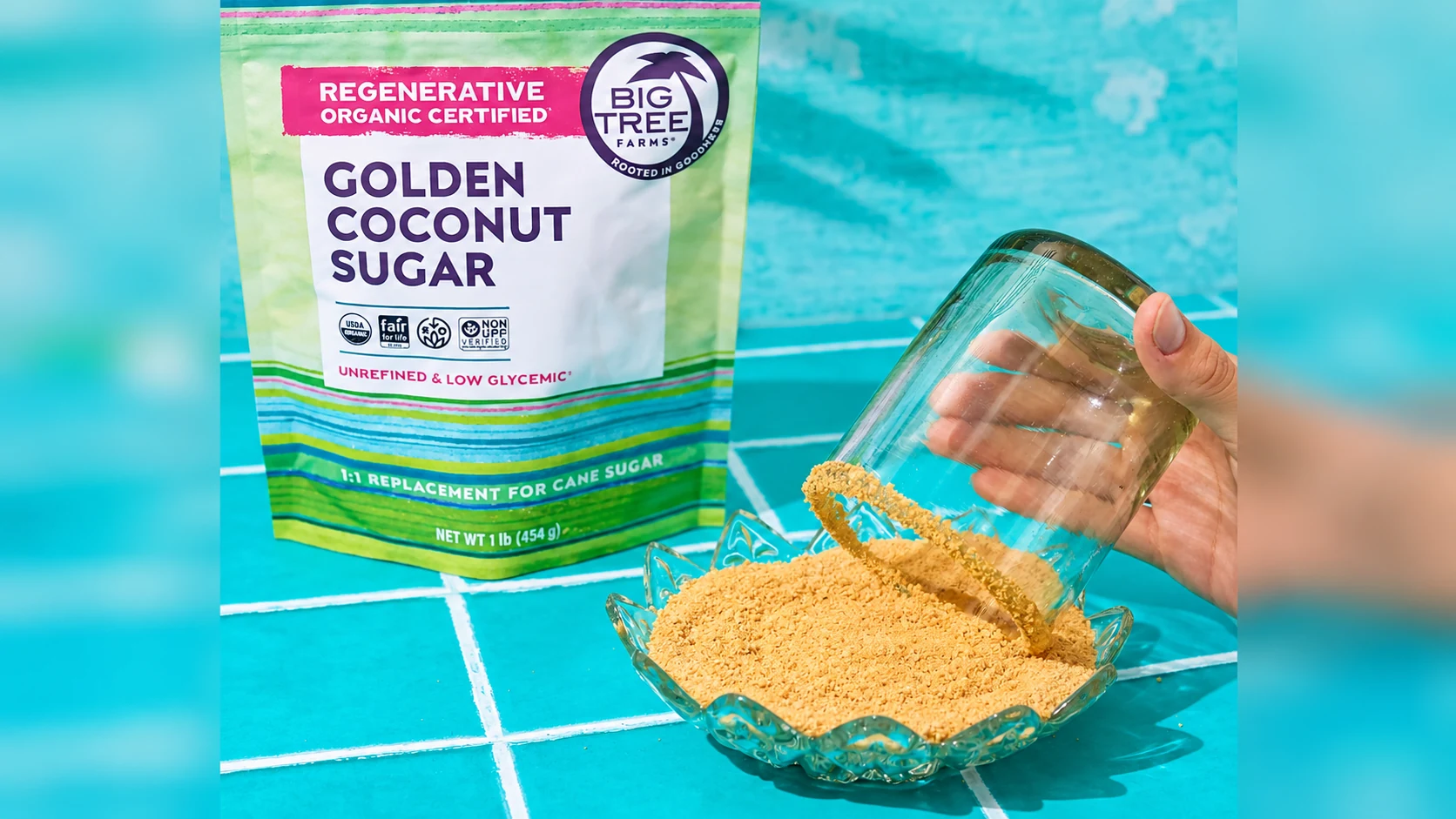
Coconut blossom nectar is the source of these granules. The Golden version adds its own brown-sugar-like flavor, so it deserves a taste in a familiar coffee before becoming your everyday sweetener. Its name describes the source; it does not turn the coffee into a coconut-flavored latte or make the sugar contribution disappear.
Use a small level spoonful in warm coffee, stir, then add milk. If you enjoy the change, try the same amount in a second cup with fewer competing flavors. Vanilla and caramel syrups make the contribution of the coconut sugar harder to judge.
The purchase is three 16 oz bags. That supply is easier to justify when coconut sugar is already part of your pantry. An occasional sweetened espresso uses very little of it. Open one bag at a time and keep a dry measuring spoon nearby; a damp spoon makes resealable granulated sweeteners unpleasant to handle.
5. Wholesome Cane Sugar: the large bag for a familiar routine
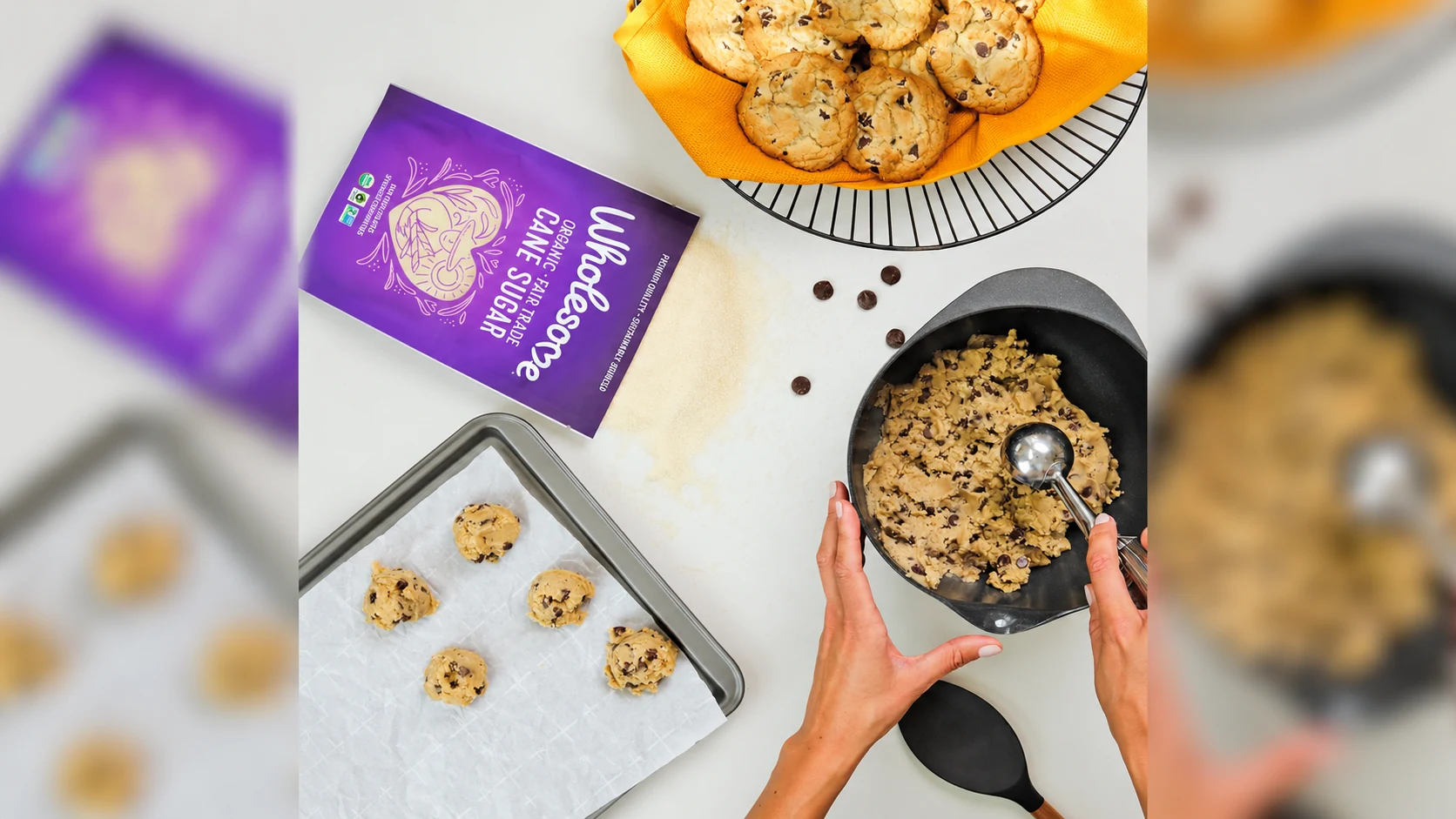
This fine granulated cane sugar gives you a straightforward spoon measure without adding the molasses of dark brown sugar. It is the useful reference when you want to judge what honey, maple or a substitute changes in your coffee. Wholesome’s blonde organic crystals dissolve in warm coffee with stirring; for an iced latte, add the measured sugar to the shot first.
Ten pounds is a household pantry commitment. It makes sense if you already use cane sugar regularly, bake or serve several coffee drinkers. Transfer a small working quantity into a clean, labeled container beside the coffee setup and keep the main supply sealed. That avoids lifting a large bag for every half-teaspoon. For one occasional sweetened coffee, a smaller purchase is easier to store and use up.
Honey, maple and agave: flavor and handling
A thick honey needs scooping and warm mixing; a pourable agave is easier to stir into cold coffee. Maple grade and floral honey source add another choice about flavor. The measures here are starting routines: equal teaspoon volumes of these ingredients do not establish equal sweetness.
| Image | Sweetener | Format / quantity | Sweetening base | Dosing / mixing | Useful distinction |
|---|---|---|---|---|---|
|
Nate’s Raw Honey | Pourable honey · 32 oz squeeze bottle | Honey | Measure ½–1 teaspoon into warm espresso | A squeeze is not a measured teaspoon |
|
Y.S. Eco Bee Farms | Thick, spoonable honey · 22 oz jar | Raw honey | Scoop a small amount and dissolve while warm | Needs a spoon and more mixing than a liquid syrup |
|
Savannah Bee Tupelo | Liquid varietal honey · 12 oz glass jar | Tupelo honey | Taste a little before adding to a mild coffee | Its floral character can be lost in a heavily flavored latte |
|
Wedderspoon MGO 150+ | Spoonable honey · 35.2 oz / 1 kg · one jar | Raw mānuka honey | Dissolve a small spoonful in warm espresso | MGO grade is not a coffee sweetness score |
|
Maple Grove Pure Maple | Pourable syrup · 12.5 fl oz bottle | 100% maple syrup | Measure into espresso before milk or ice | Amber Color, Rich Taste; refrigerate after opening |
|
Madhava Light Agave | Pourable syrup · 6 × 23.5 oz bottles | Organic blue agave | Measure a small amount into the drink | The Amazon listing is a six-bottle case |
|
Butternut Mountain Farm | Pourable maple syrup · 32 fl oz · one jug | 100% pure Vermont maple syrup | Start with 1 teaspoon in a latte | Refrigerate after opening |
|
Crown Maple Barrel Aged | Pourable maple syrup · 12.7 fl oz / 375 mL · one bottle | Bourbon barrel aged organic maple syrup | Start with ½–1 tsp in a milk coffee | Label says may contain trace alcohol |
|
Wholesome Blue Agave | Pourable nectar · 23.5 oz · one bottle | Organic blue agave nectar | Measure a small spoonful into coffee | Adds sugars; a freehand pour is hard to repeat |
6. Nate’s Raw Honey: a squeeze bottle beside the espresso machine
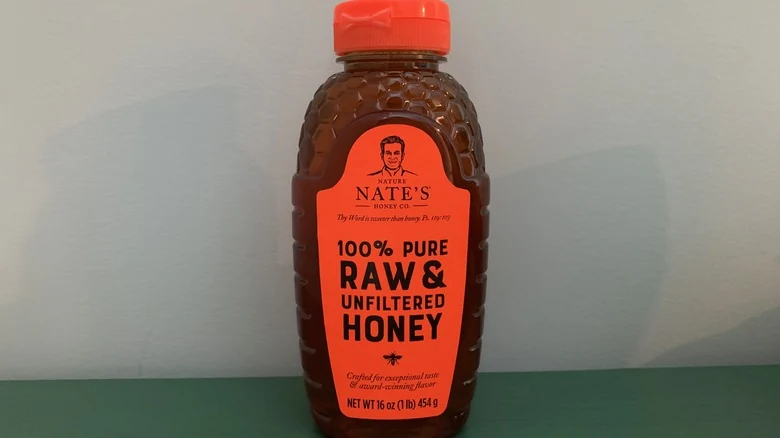
Nate’s 32 oz squeeze bottle is a practical everyday format for a honey latte. You can dispense onto a measuring spoon without dipping a spoon into a jar, then close the bottle. The raw and unfiltered honey contributes honey flavor as well as sugars; choose it because you enjoy that combination with your coffee.
For a first trial, measure ½–1 teaspoon into warm espresso and stir until the shot is uniform. Add milk after the honey has dispersed. A freehand squeeze is difficult to repeat, particularly as the bottle empties or the honey’s consistency changes. If you like the result, keep the spoonful in your recipe note instead of replacing it with “a little honey.”
The closure needs a quick wipe after dispensing. Sticky honey around the cap makes the next use messier and encourages a harder squeeze. The bottle suits frequent use; the spoonable Y.S. jar below trades that dispensing convenience for a different texture.
7. Y.S. Eco Bee Farms Raw Honey: plan for a spoonful
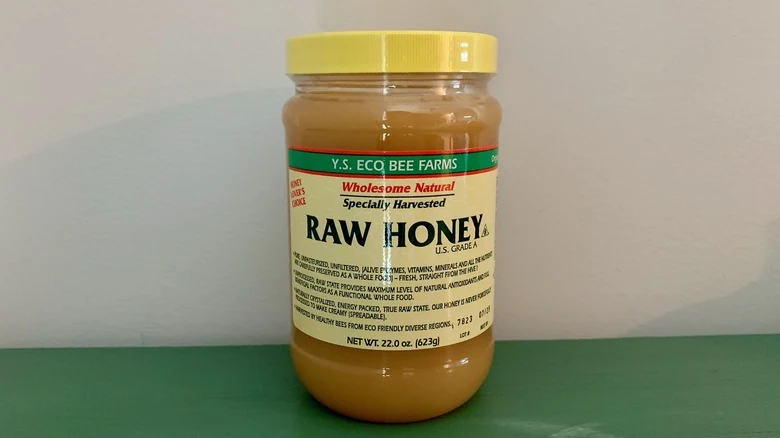
The 22 oz Y.S. jar is a spoonable honey choice. Its thick consistency changes the preparation: scoop a small portion, move it into the warm espresso and stir before adding milk. It takes more effort to incorporate than a pourable coffee syrup, particularly if you put it straight into a cold glass.
A clean spoon gives you control over that thick portion. Start around ½ teaspoon in a modest milk coffee and adjust after tasting the completed drink. Honey texture and honey sweetness are separate decisions. The jar is appealing when you already like using a thick raw honey at breakfast and want to try it in coffee as well. For quick measured pours through several drinks, Nate’s squeeze bottle is an easier station format. Keep the jar rim clean and follow its storage directions rather than assuming all honeys will pour alike.
8. Savannah Bee Tupelo: leave room for the floral character
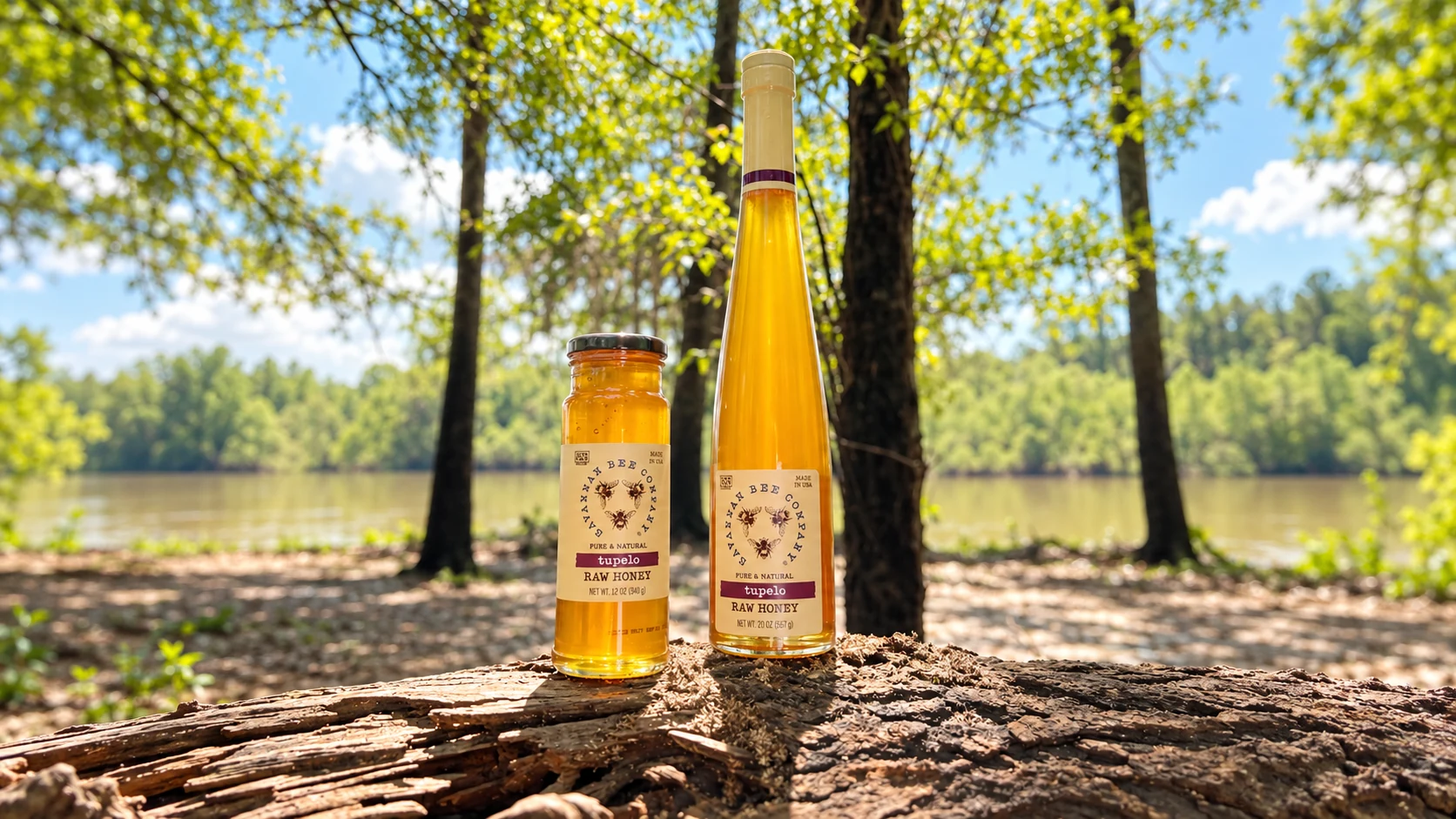
Tupelo’s floral character is the reason to choose this 12 oz jar over an everyday honey bottle. Savannah Bee describes a buttery, delicate honey, and that character can be lost when the same latte also contains vanilla, chocolate or caramel. Taste a little honey by itself before deciding which coffee to pair with it.
Try a restrained spoonful in a familiar milk coffee with no other flavoring. Dissolve it in the warm shot and keep the milk quantity the same when comparing it with Nate’s or Y.S. A mild coffee gives you more opportunity to notice the honey; a heavily flavored mocha gives it less. Buy Tupelo for the flavor you can taste in the drink. Its floral source does not establish a lower sugar dose, and a larger spoonful can overpower the balance as readily as another honey.
9. Wedderspoon MGO 150+: choose mānuka for its taste
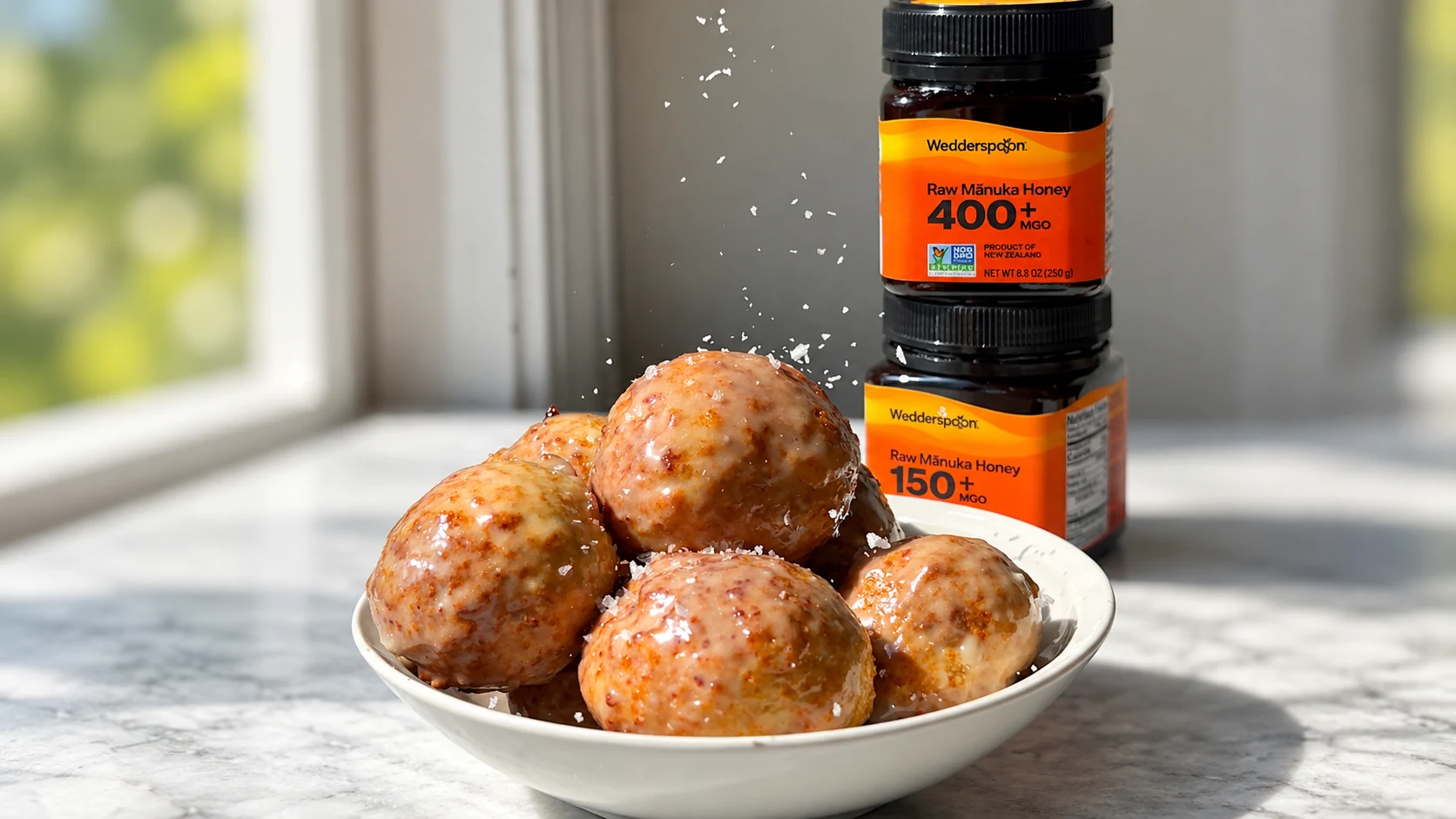
The selected Wedderspoon is raw mānuka honey, MGO 150+, in a 35.2 oz jar. It gives you a distinct honey to try when the ingredient’s own character matters in the cup. Taste the honey first, then dissolve a small spoonful in warm espresso and add a modest amount of milk. Leave flavored syrup out of that first drink.
The MGO grade does not tell you how sweet the coffee will be. It supplies no conversion for a latte and no reason to increase the dose. Compare honey choices at the amount you actually enjoy, keeping the coffee and milk familiar.
This is a one-kilogram jar, so it is most sensible for someone who also enjoys mānuka honey outside coffee. For sweetening a daily drink without seeking a particular honey character, the smaller jars and squeeze bottle are easier purchases to work through. The recommendation here rests on flavor and handling, with no health benefit claimed for the coffee.
10. Maple Grove Farms: an amber maple starting point
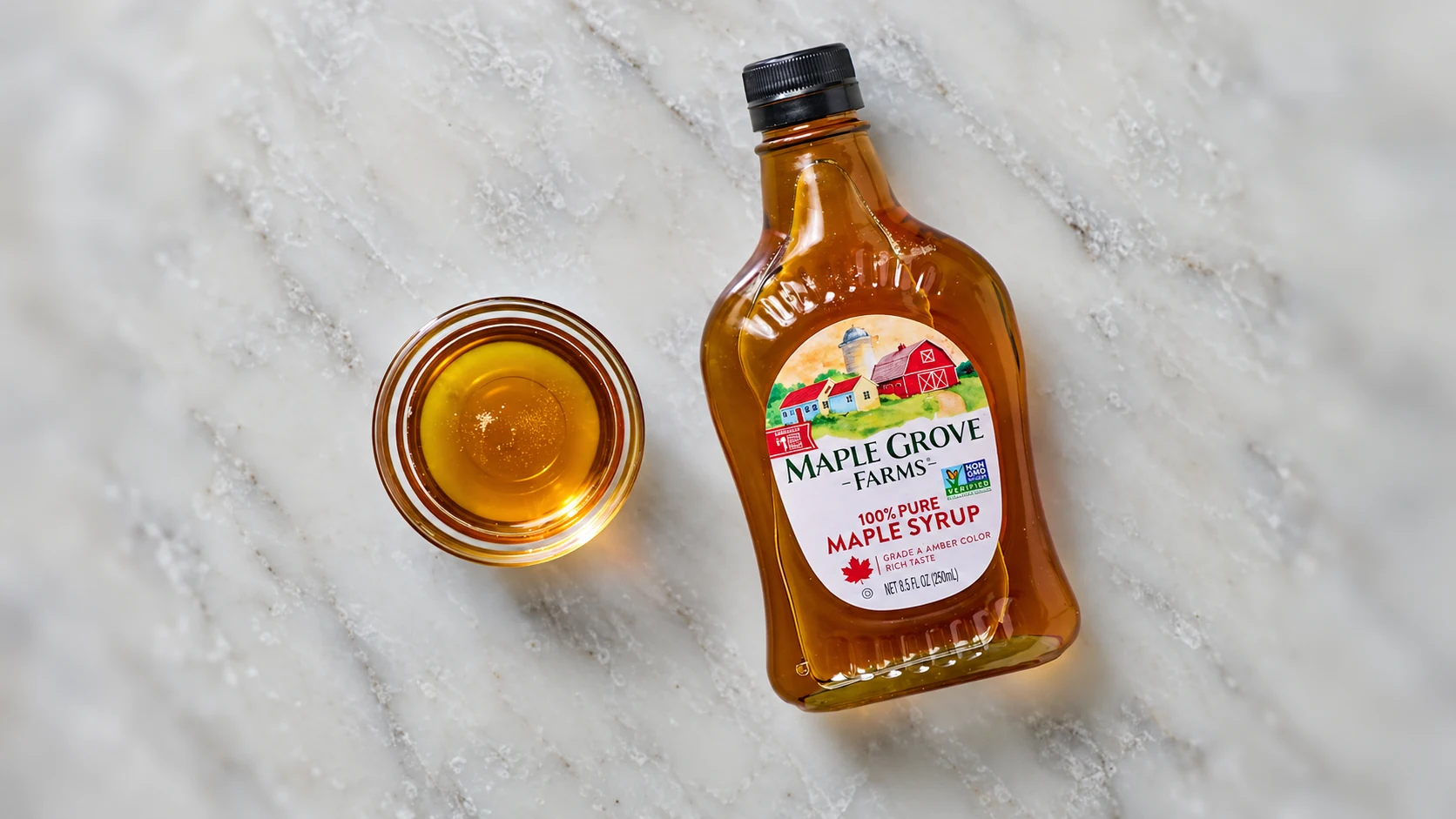
Maple Grove’s 12.5 fl oz bottle contains 100% pure maple syrup in the Amber Color, Rich Taste grade. It is a manageable size for trying maple in coffee before buying a quart. A teaspoon stirred into espresso gives a simple maple milk coffee, with the milk amount controlling how prominent that flavor remains.
For a useful grade comparison, make a second drink with Dark Color Butternut at the same syrup volume. Decide whether you prefer the amber profile or a more pronounced maple contribution in your coffee. Refrigerate the pure maple syrup after opening and wipe the neck before closing it. That refrigerator space is part of the purchase. Keep pancake syrups with other ingredients separate when repeating the recipe; they have their own flavors, nutrition labels and storage directions.
11. Madhava Light Agave: a case for established use
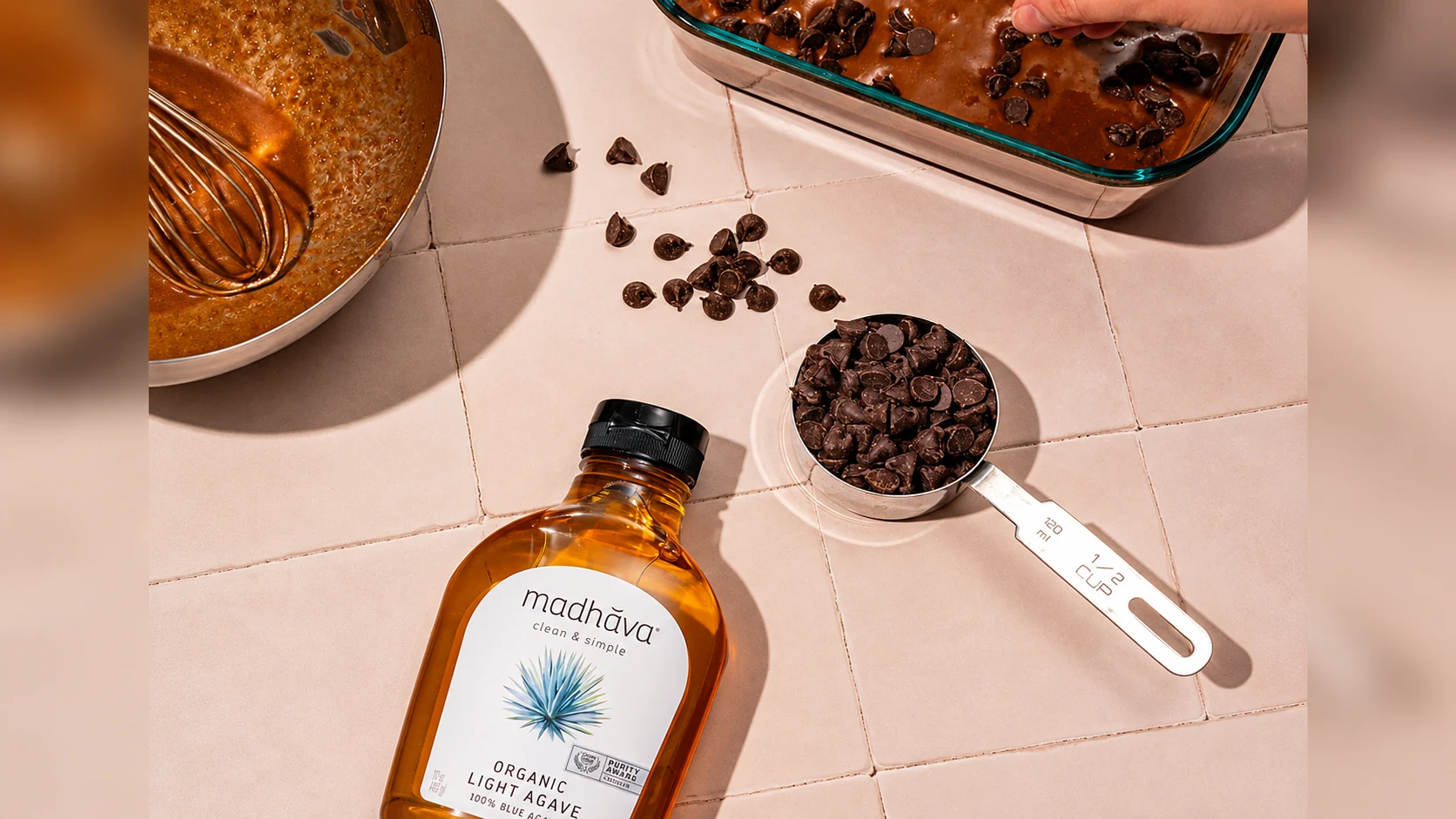
Light agave gives you a pourable pantry sweetener for coffee when you want to avoid dissolving coarse crystals. Madhava uses organic blue agave nectar. Measure a small amount into the coffee, stir and taste with the milk included; a liquid can still settle unevenly if the glass is filled with ice before mixing.
This listing contains six 23.5 oz bottles. It is suitable for an established agave routine or a household that also uses it in other drinks and food. If you are trying agave for the first time, the single Wholesome bottle is a more manageable commitment. Light refers to this agave style, while the nutrition label still declares sugars. Keep the measured spoonful with your drink recipe, and wipe the cap after pouring so the next dose stays easy to control.
12. Butternut Mountain Farm: maple that stays noticeable in milk
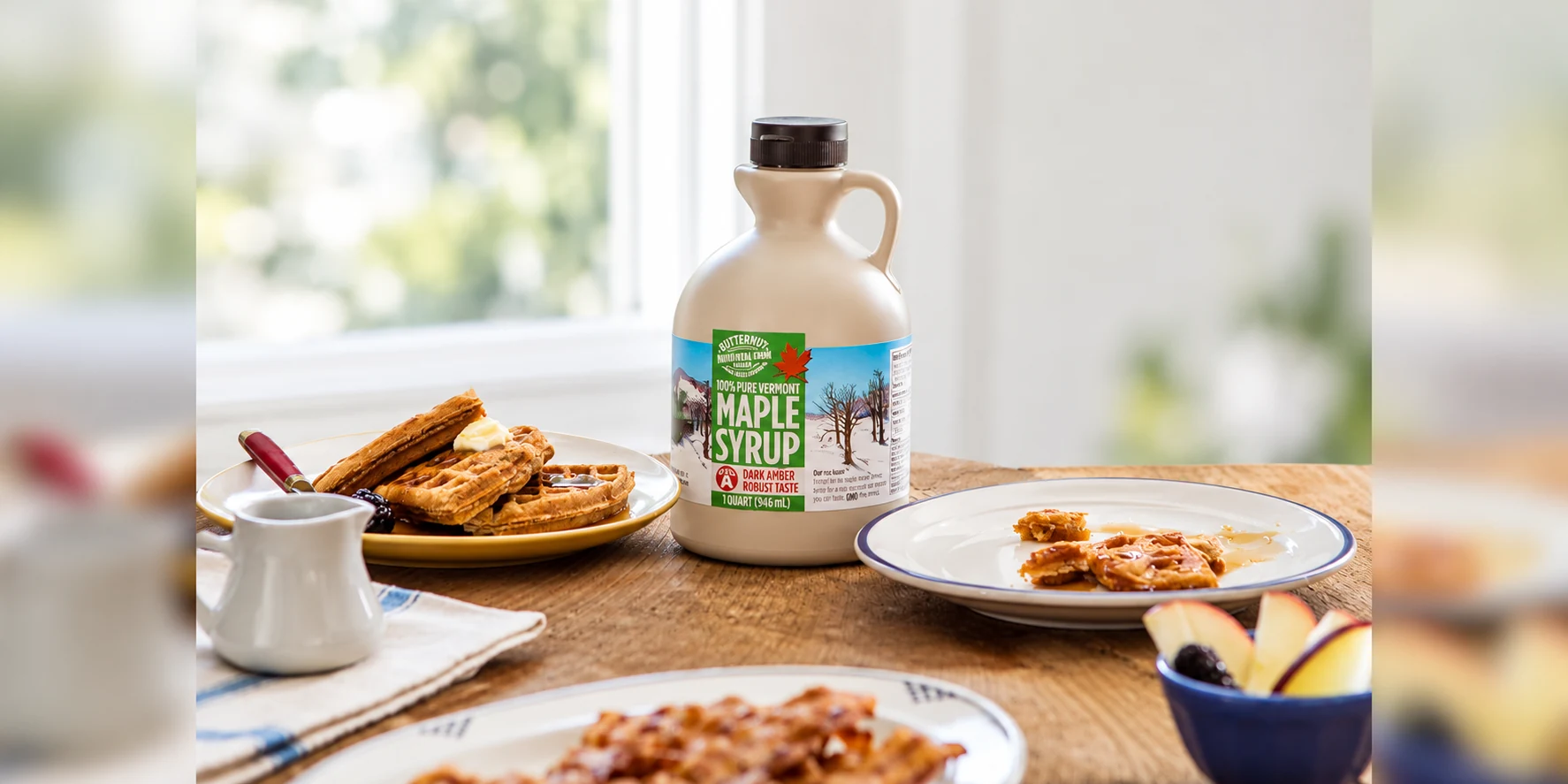
Butternut’s Dark Color, Robust Taste Vermont maple syrup gives you a stronger maple profile to compare with the amber Maple Grove choice. In a latte, that distinction can matter as much as sweetness: more milk gives the maple flavor a larger drink to spread through. Start with one measured teaspoon mixed into warm espresso and leave vanilla out of the first cup.
The 32 fl oz jug is useful if maple already has a place in your kitchen. Its handle helps with the larger quantity, but pour into a measuring spoon for a coffee-sized dose. A freehand pour from a quart jug can easily exceed what a small drink needs.
Refrigerate after opening, clean the neck and cap, and leave enough space for the jug. Breakfast use makes the supply easier to finish; buying a quart for one occasional maple cappuccino leaves you storing much more syrup than that drink requires.
13. Crown Maple Bourbon Barrel Aged: vanilla and oak with the maple
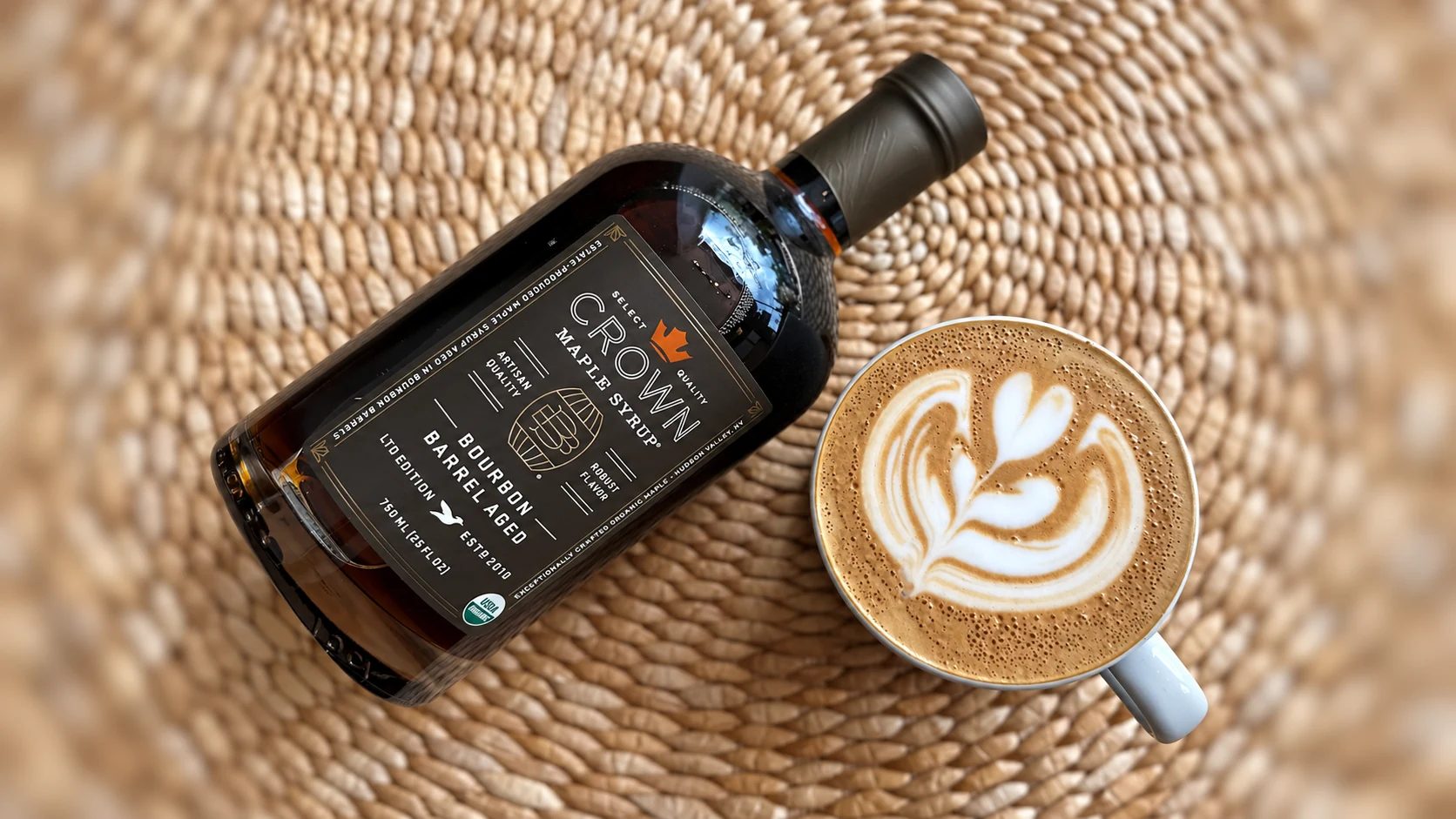
Crown Maple ages its organic maple syrup in bourbon barrels and describes vanilla and oak notes. Those additional flavors give it a different role from ordinary maple: try it when you want the syrup to contribute a recognizable character to a milk coffee. Start with ½ teaspoon in a familiar coffee with cocoa or nutty notes, then adjust after adding milk.
Use the barrel-aged syrup by itself for the first drink. Adding vanilla syrup simultaneously makes the barrel contribution harder to identify. The 375 mL / 12.7 fl oz bottle is a smaller supply than Butternut’s quart, with a more specific flavor to enjoy.
It may contain trace amounts of alcohol. Keep that manufacturer warning in the purchase decision and with the bottle in a shared cupboard. Follow its storage label, including refrigeration after opening. Choose this for the barrel character; Maple Grove and Butternut offer the simpler pure-maple grade comparison.
14. Wholesome Blue Agave: try one bottle in cold coffee

The single 23.5 oz bottle is the easier agave purchase if you are still finding a dose for cold brew. Its organic blue agave nectar is already liquid, so a small measured portion can be stirred through the coffee without waiting for sugar crystals to dissolve. Mix before adding a large amount of ice, then taste all the way through the glass.
Wholesome’s label declares 16 g total sugars per 21 g tablespoon serving. Use the mass given on that label when doing nutrition arithmetic; a casually poured tablespoon is a less precise quantity. Start with a smaller spoonful for a coffee trial and increase only after the drink is uniform. Once agave is a regular household ingredient, a case such as Madhava becomes easier to justify. Until then, this bottle leaves less supply to manage and gives you room to compare the flavor with sugar or honey.
Stevia: packets, granules and concentrated drops
The carrier makes concentrated stevia practical to portion. Inulin, dextrose and erythritol give you different formulas to try, while liquid drops require a separate measure. Compare the ingredient and serving columns together before deciding whether a packet, spoon or dropper fits your cup.
| Image | Sweetener | Format / quantity | Sweetening base | Dosing / mixing | Useful distinction |
|---|---|---|---|---|---|
|
SweetLeaf Stevia Packets | Packets · 70 packets | Inulin, stevia leaf extract, silica | Start with part of a packet in espresso | An inulin blend, not pure stevia extract |
|
Stevia In The Raw | Packets · 50 packets · 1.75 oz box | Dextrose and stevia leaf extract | Maker: one packet sweetens like 2 tsp sugar | Contains a dextrose carrier |
|
SweetLeaf Vanilla Drops | Flavored drops · 2 fl oz dropper bottle | Water, glycerin, flavor, stevia extract | Label serving: 5 drops; adjust a few at a time | Sweetness and vanilla aroma increase together |
|
Truvia Original | Spoonable granules · 9.8 oz spoonable tub | Erythritol, stevia leaf extract, natural flavors | Maker: ¾ tsp sweetens like 2 tsp sugar | The bulk ingredient is erythritol |
|
NOW Organic BetterStevia | Concentrated liquid · Two 8 fl oz bottles | Glycerin + stevia extract + water | Manufacturer starting serving: 3–5 drops | Shake; count drops rather than teaspoons |
|
Truvia Packets | Packets · 140 packets · 9.87 oz | Erythritol, stevia leaf extract, natural flavors | Maker: 1 packet sweetens like 2 tsp sugar | Small wrappers can be difficult to open |
|
SPLENDA Stevia Packets | Packets · 400 packets · one box | Dextrose + stevia extract Reb M | 1 packet sweetens like 2 tsp sugar | Different from older Naturals erythritol packets |
15. SweetLeaf packets: an inulin-based stevia option
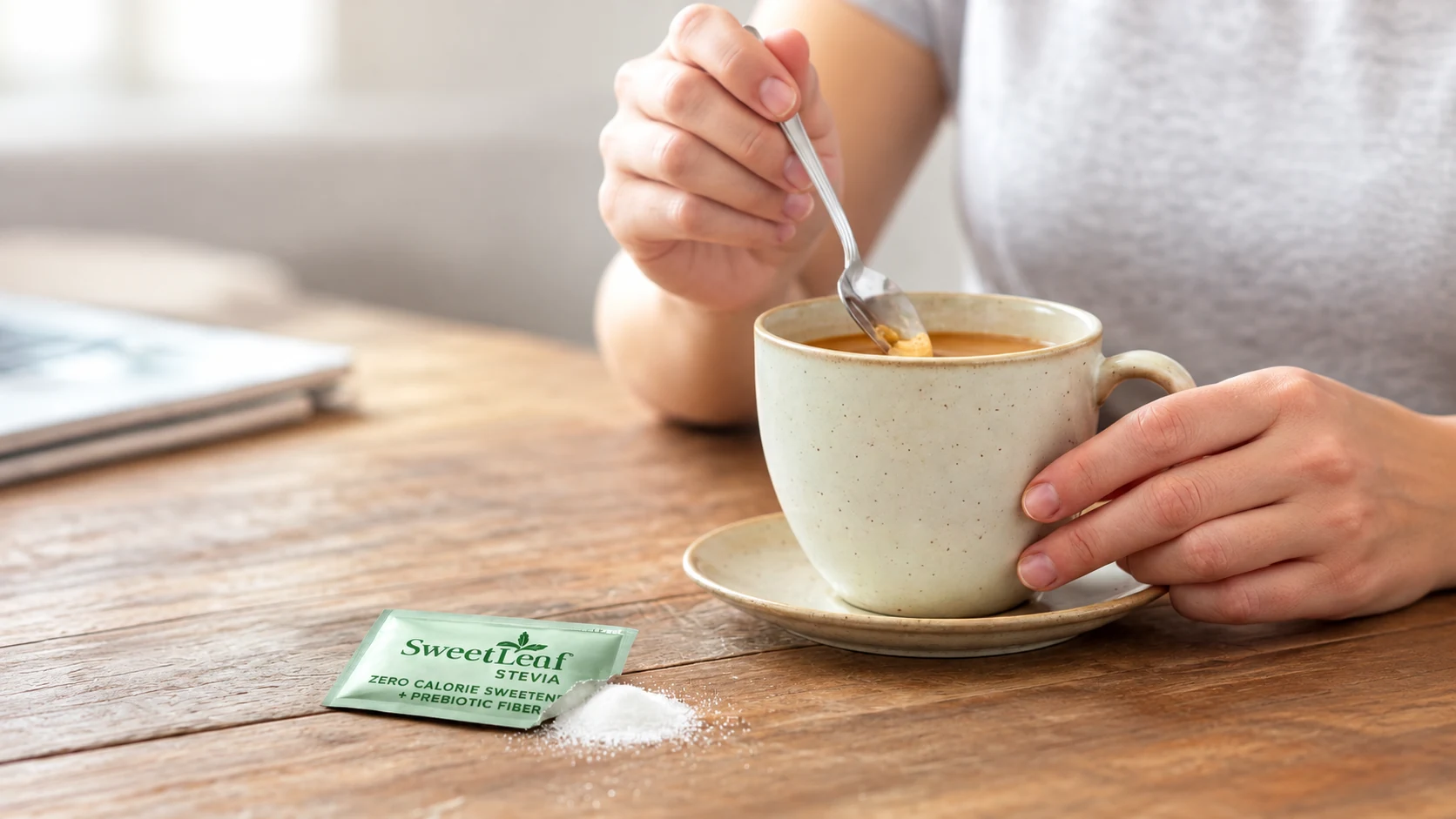
SweetLeaf’s 70-packet box uses inulin, stevia leaf extract and silica. It gives you a different carrier from the dextrose Stevia In The Raw and erythritol Truvia choices. Individual packets are easy to keep beside the coffee maker or carry to work, with the formula identified on the wrapper.
Try part of a packet in a small espresso and stir before adding the rest. A coffee served black makes the sweetener’s finish easy to notice; milk changes that balance. Taste both the first sweetness and the flavor left after swallowing. If you prefer another carrier in your coffee, that is a reason to choose another formula. The packet is convenient for portability, while a spoonable jar gives more control when you routinely want an amount between packet portions.
16. Stevia In The Raw: a small box with a clear conversion

This 50-count box is a manageable way to try stevia packets without ordering a large coffee-station supply. The ordinary packet formula combines dextrose and stevia leaf extract. The manufacturer says one packet sweetens like two teaspoons of sugar, so a coffee that normally gets half a teaspoon of sugar needs a much smaller first trial.
Tap the contents down before opening, add a fraction, stir and finish the coffee with your usual milk. The dextrose makes the concentrated stevia practical to portion, and it remains part of the ingredient list. Keep that distinction if you are comparing this box with SweetLeaf’s inulin packets.
Once you have a preferred dose, the wrappers make it easy to carry the same formula between home and work. If partial packets become an everyday nuisance, a jar and level spoon can be a better fit. Choose the format that makes your actual dose convenient.
17. SweetLeaf Vanilla Crème: adjust sweetness and aroma together
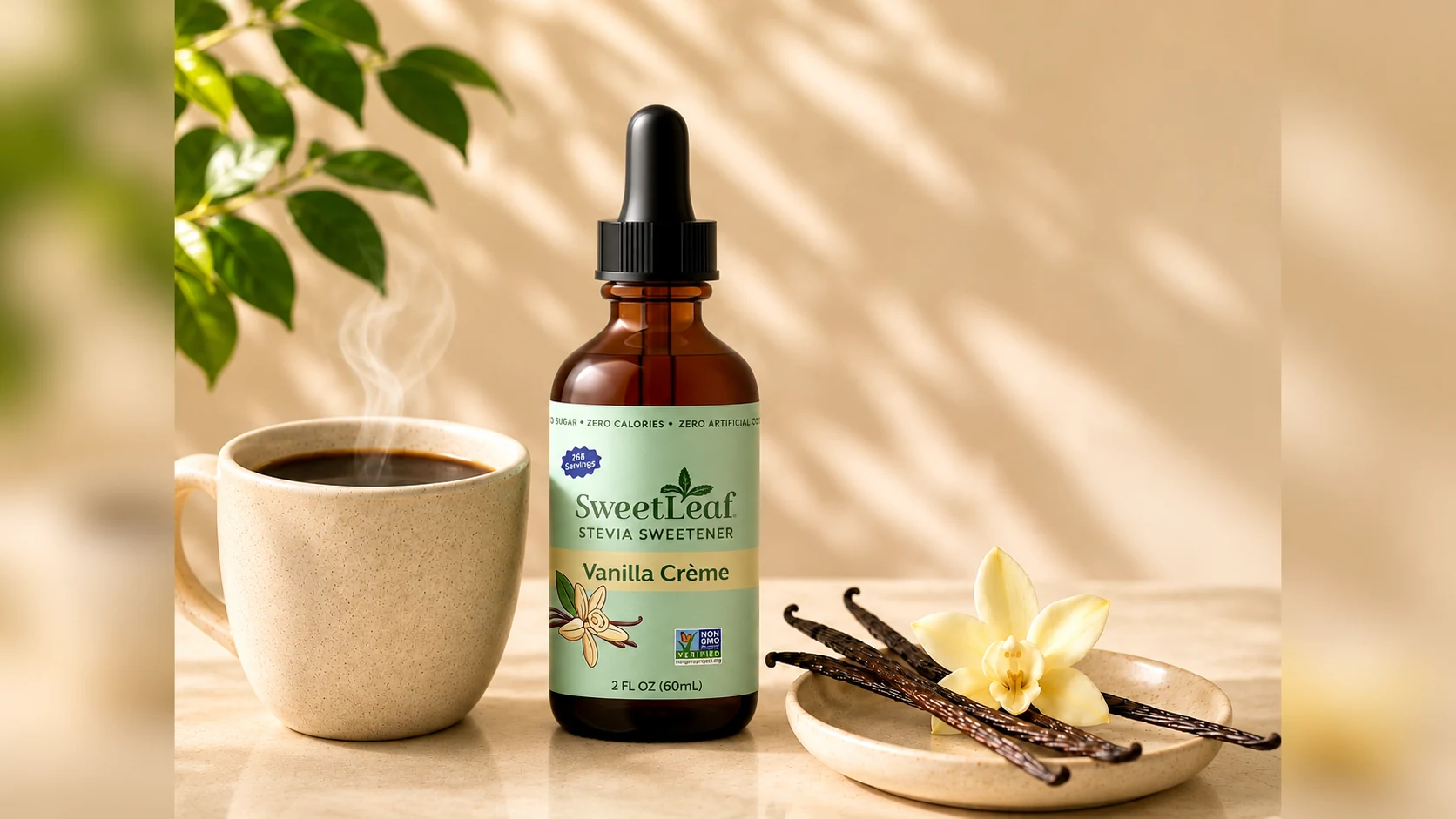
Vanilla Crème drops combine stevia sweetness with vanilla flavor in a 2 fl oz bottle. The contemporary label lists purified water, organic glycerin, organic natural flavors and organic stevia leaf extract, with a five-drop serving. That concentrated format is useful for an occasional vanilla coffee without keeping a full syrup bottle on the counter.
Count a few drops into the coffee, stir and taste with milk included. Increasing the dose also increases vanilla, so stop when the aroma is where you want it. If the drink still needs sweetness at that point, a small amount of a familiar unflavored sweetener lets you adjust it separately. The dropper rewards slow handling: a squeeze that releases a stream is much harder to reproduce than a counted drop dose. Follow the bottle’s own serving label when replacing an older bottle.
18. Truvia Original Spoonable: fine adjustments at home
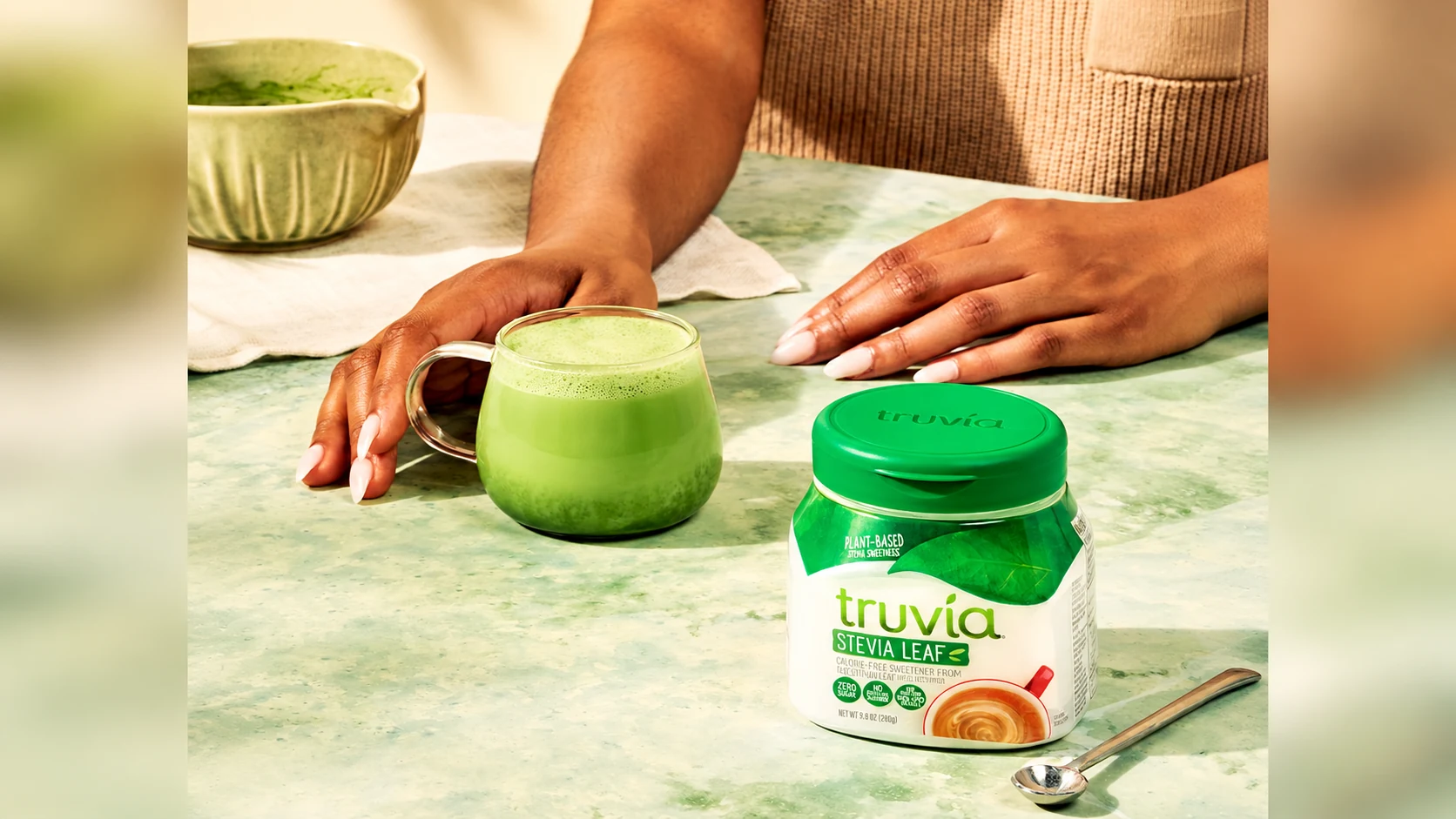
A 9.8 oz jar is convenient when you want to measure less than a full packet or make the same small adjustment each day. Truvia Original contains erythritol, stevia leaf extract and natural flavors. The manufacturer’s conversion is ¾ teaspoon for the sweetness of two teaspoons of sugar.
Use a level measuring spoon for the first drinks. If your ordinary coffee contains one teaspoon of sugar, start below that full Truvia serving and taste after mixing. The sweetness conversion gives you a starting quantity; the finish in your coffee still decides whether you enjoy the substitution.
The jar trades individual wrappers for a spoon and a clean, dry storage routine. It is easier to adjust at home than to carry loosely in a bag. The Truvia packets below offer the same broad ingredient combination with a different serving measure. Keep the two conversions separate when switching formats.
19. NOW Organic BetterStevia Glycerite: a refill-sized concentrate
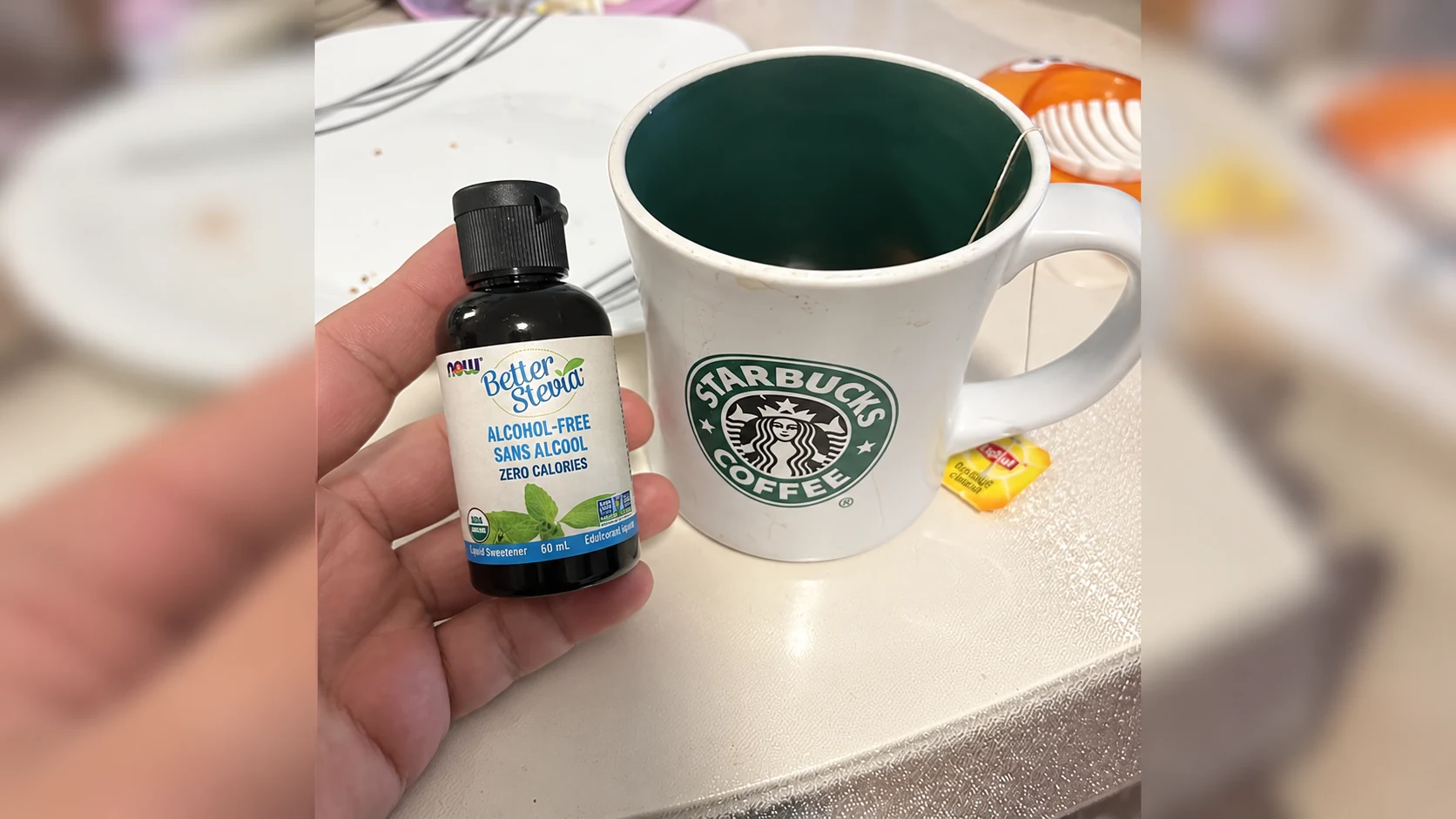
Two 8 fl oz bottles make this a substantial liquid-stevia supply. It is most sensible after you know you enjoy concentrated stevia in coffee. NOW’s Organic Glycerite contains organic vegetable glycerin, organic stevia leaf extract and water, giving you an unflavored option alongside the vanilla drops.
Shake as directed, count three to five drops for the manufacturer’s suggested starting dose and stir before tasting. A small espresso can need less than a larger milk drink. Work a drop at a time once you approach the sweetness you like; pouring a teaspoon of this concentrate would be a very different dose.
The large bottles suit regular use and refilling a compatible small dispenser. Keep that dispenser clearly labeled with the formula and its drop directions. For a first experiment, the quantity is the main drawback: finding that you dislike the finish leaves a lot of concentrate to use. Choose the liquid routine because counting drops fits your coffee preparation.
20. Truvia packets: carry a familiar stevia dose
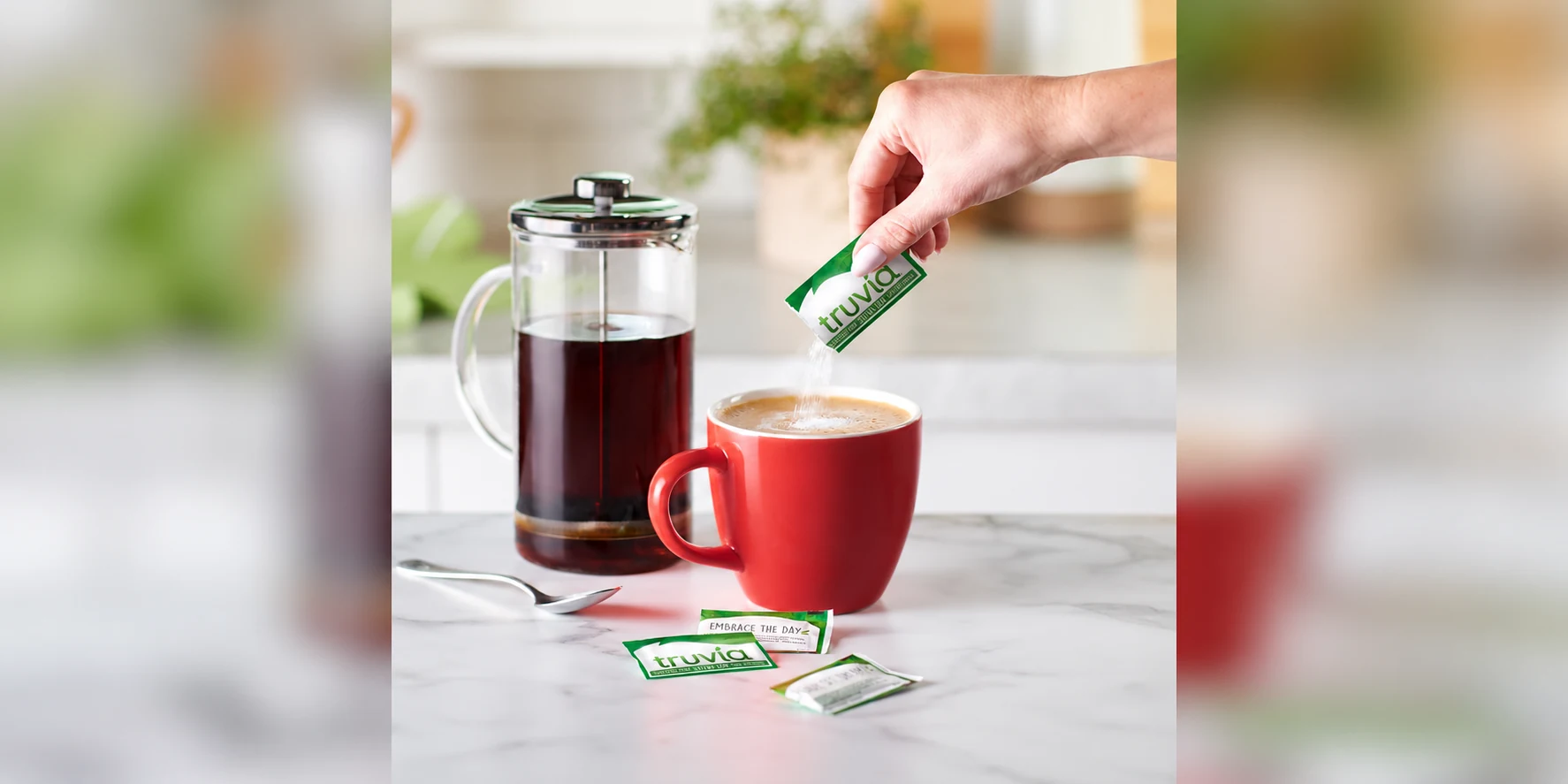
The 140-count carton gives a regular coffee drinker a portable alternative to Truvia’s spoonable jar. Its erythritol, stevia leaf extract and natural flavors are divided into individual servings. One packet is intended to replace the sweetness of two teaspoons of sugar. Start with part of it if your drink ordinarily needs less.
Customer feedback includes both convenient daily coffee use and complaints about the smaller wrappers being difficult to tear without spilling. That packaging detail matters if opening small sachets is uncomfortable: the spoonable jar provides another way to use Truvia at home. Tap the contents away from the tear line and open directly over the mixing cup.
Try it in the same coffee and milk you usually make. Some drinkers like the finish immediately; others prefer a smaller dose. A packet count helps organize supply, but the dose that tastes right in your cup can be a fraction of a packet.
21. SPLENDA Stevia: individually labeled portions for a shared station
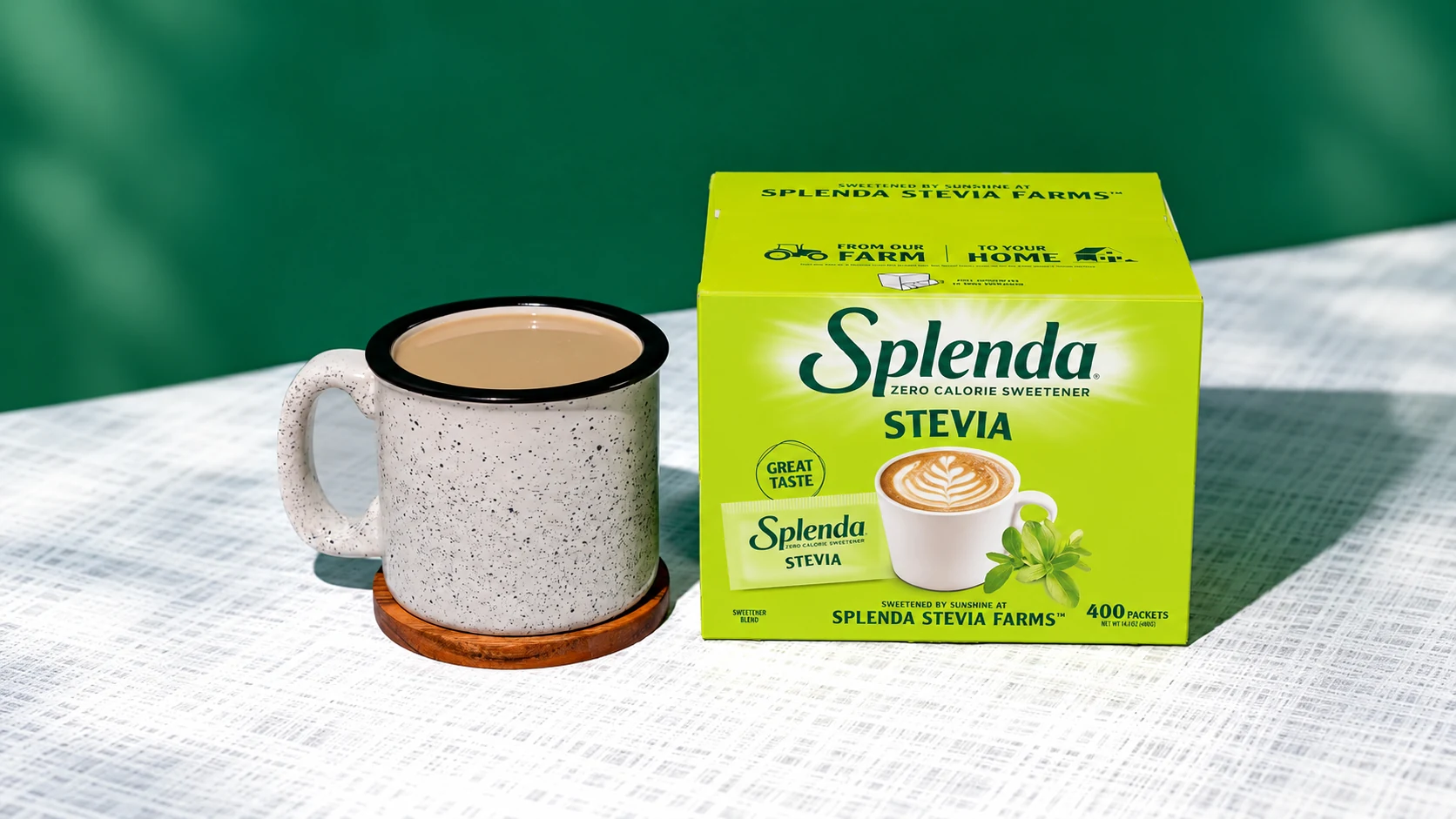
The green 400-packet box keeps a large shared coffee station supplied without an open container of loose powder. The selected formula uses dextrose and stevia extract Reb M, and its packet sweetens like two teaspoons of sugar. A smaller espresso therefore calls for a fraction of the serving.
For your first cup, add part of a packet, mix thoroughly and taste after the milk goes in. Flavor feedback varies among users, so keep the coffee itself familiar while deciding whether you like this stevia’s finish. The wrappers make it easy for each person to identify and portion their own sweetener.
Older SPLENDA Naturals stevia packets used erythritol. That ingredient distinction matters when someone expects the taste of an earlier purchase. The current dextrose formula is the one described here; a brand name alone is too broad to reproduce a drink across those versions.
Monk fruit, aspartame and sucralose: formats and dosing
The five monk fruit choices use either a granulated carrier or a concentrated dropper. Equal Original adds an aspartame-and-acesulfame-potassium packet, while SPLENDA Liquid Original uses sucralose in water. Compare the base and dose together: a level spoon of a 1:1 granulated blend, part of a packet and a measured liquid portion are different ways to sweeten the same coffee.
| Image | Sweetener | Format / quantity | Sweetening base | Dosing / mixing | Useful distinction |
|---|---|---|---|---|---|
|
Lakanto with Allulose | Granules · 1 lb bag | Allulose and monk fruit extract | Maker: 1:1 sugar replacement by volume | Different carrier from the erythritol Classic blend |
|
Monk Fruit In The Raw | Granules · 1 lb granulated bag | Erythritol and monk fruit extract | Maker: 1:1 sugar replacement by volume | The packet formula is a separate purchase |
|
Lakanto Liquid Original | Unflavored drops · 1.76 fl oz / 52 mL bottle | Water, monk fruit extract, natural flavors | Maker: 3–4 drops per 8 fl oz drink | Dose in drops, not like a 1:1 sugar blend |
|
Lakanto Classic with Erythritol | Granules · 3 lb · one bag | Erythritol + monk fruit | 1:1 sugar replacement by volume | Separate from Classic With Allulose |
|
Lakanto Golden with Erythritol | Golden granules · 3 lb · one bag | Erythritol + monk fruit | 1:1 sugar replacement by volume | Golden does not establish a molasses ingredient |
|
Equal Original | Packets · 800 packets · 28.2 oz | Dextrose with maltodextrin, aspartame, acesulfame potassium | Maker: 1 packet sweetens like 2 tsp sugar | Contains phenylalanine; retain the PKU warning |
|
SPLENDA Liquid Original | Squeeze-bottle liquid · 2 × 100 mL · 3.38 fl oz each | Water, sucralose, malic acid, sodium benzoate, potassium sorbate | Label serving: ⅛ tsp / 0.60 mL; stir and adjust | Squeeze length affects the dose; no erythritol carrier |
22. Lakanto With Allulose: a spoonable alternative to erythritol blends
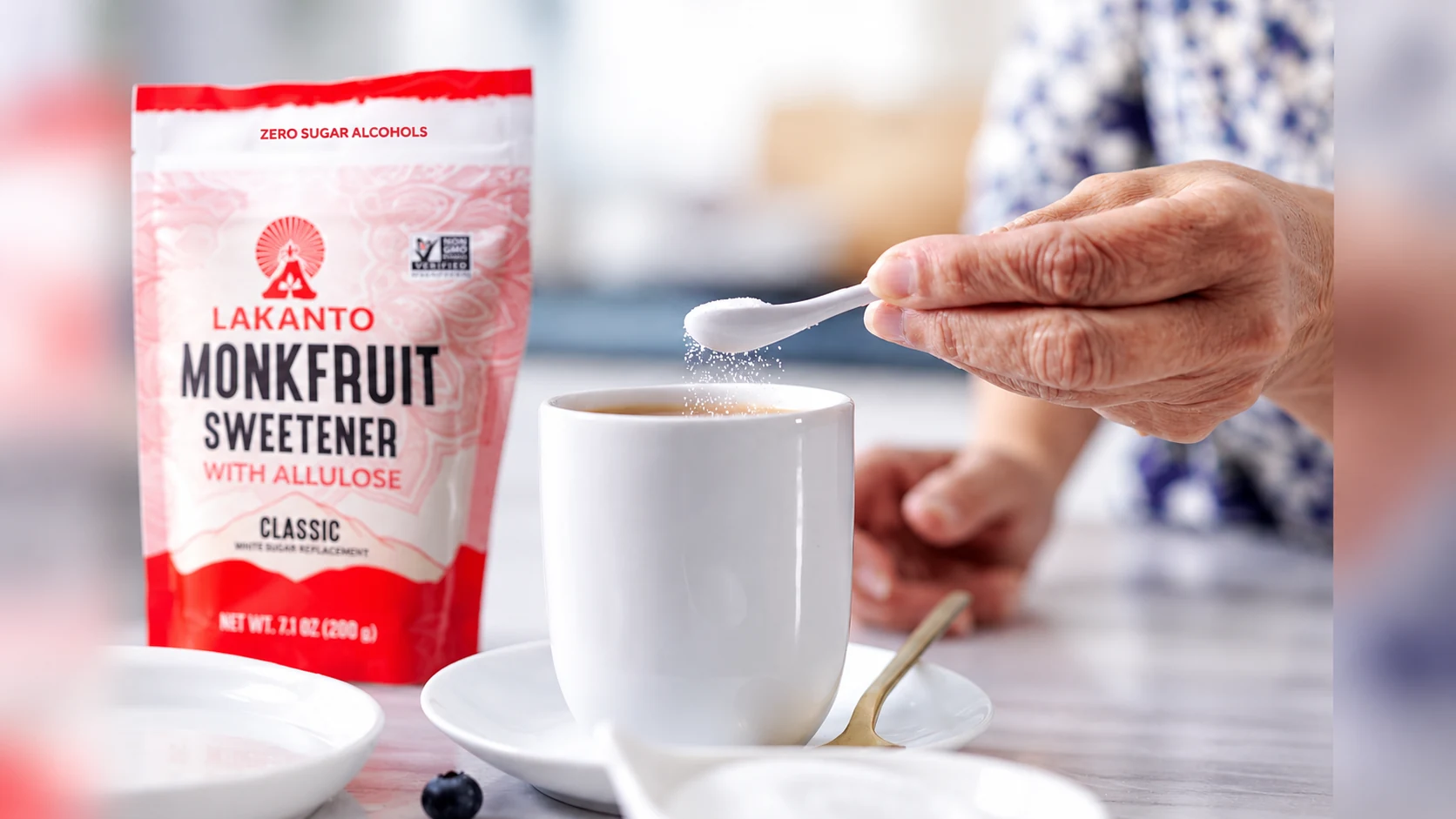
This one-pound Classic With Allulose bag combines allulose and monk fruit extract. It offers a granulated format with a 1:1 sugar-replacement direction by volume, giving you a straightforward first measure when replacing a familiar spoonful of sugar. It is a separate formula from Lakanto Classic With Erythritol.
Stir the dose into warm espresso and taste the finished coffee. Comparing it with an erythritol blend in the same coffee is useful if you want to explore how the carrier affects the result. Keep both the initial sweetness and the lingering finish in mind, and adjust the dose for each formula once you have made that first comparison.
Allulose has a separate nutrition-label treatment: it can be excluded from total and added sugars under FDA guidance while remaining in total carbohydrate. That explains why the bag’s sugar declaration and its bulk ingredient can look surprising together. The one-pound format is a more manageable trial supply than the three-pound Lakanto bags.
23. Monk Fruit In The Raw Classic: granules for a level spoon
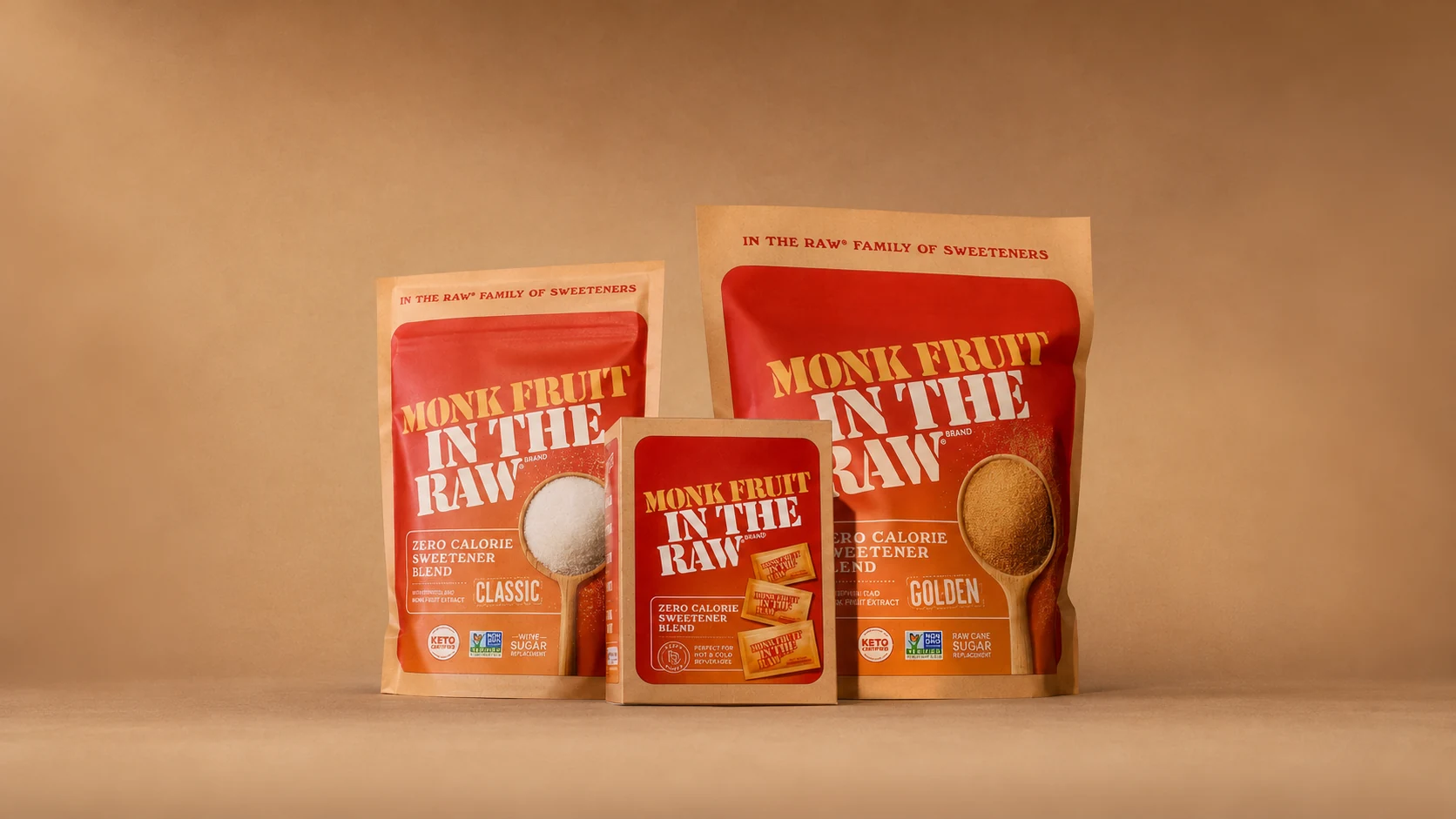
The one-pound Classic bag uses erythritol with monk fruit extract and a 1:1 sugar-replacement direction by volume. It is a convenient format if a measuring spoon is already part of your coffee routine. Use your usual level sugar measure as a first trial, dissolve it fully and taste before increasing the amount.
The erythritol supplies the bulk of the granulated format. User preferences for the finish of these blends vary, so compare it with Lakanto With Allulose in a familiar milk coffee if you want to try a different carrier. A smaller amount can also be worth trying before switching products.
Classic granules and monk fruit packets have separate serving directions. Choose this bag when you want to scoop and adjust at home. Individual packets are easier for travel, but their formula and conversion need their own recipe. Keeping the spoon dry and the bag resealed prevents a simple daily measure from becoming a clumpy scoop.
24. Lakanto Liquid Original: leave the granulated measure behind
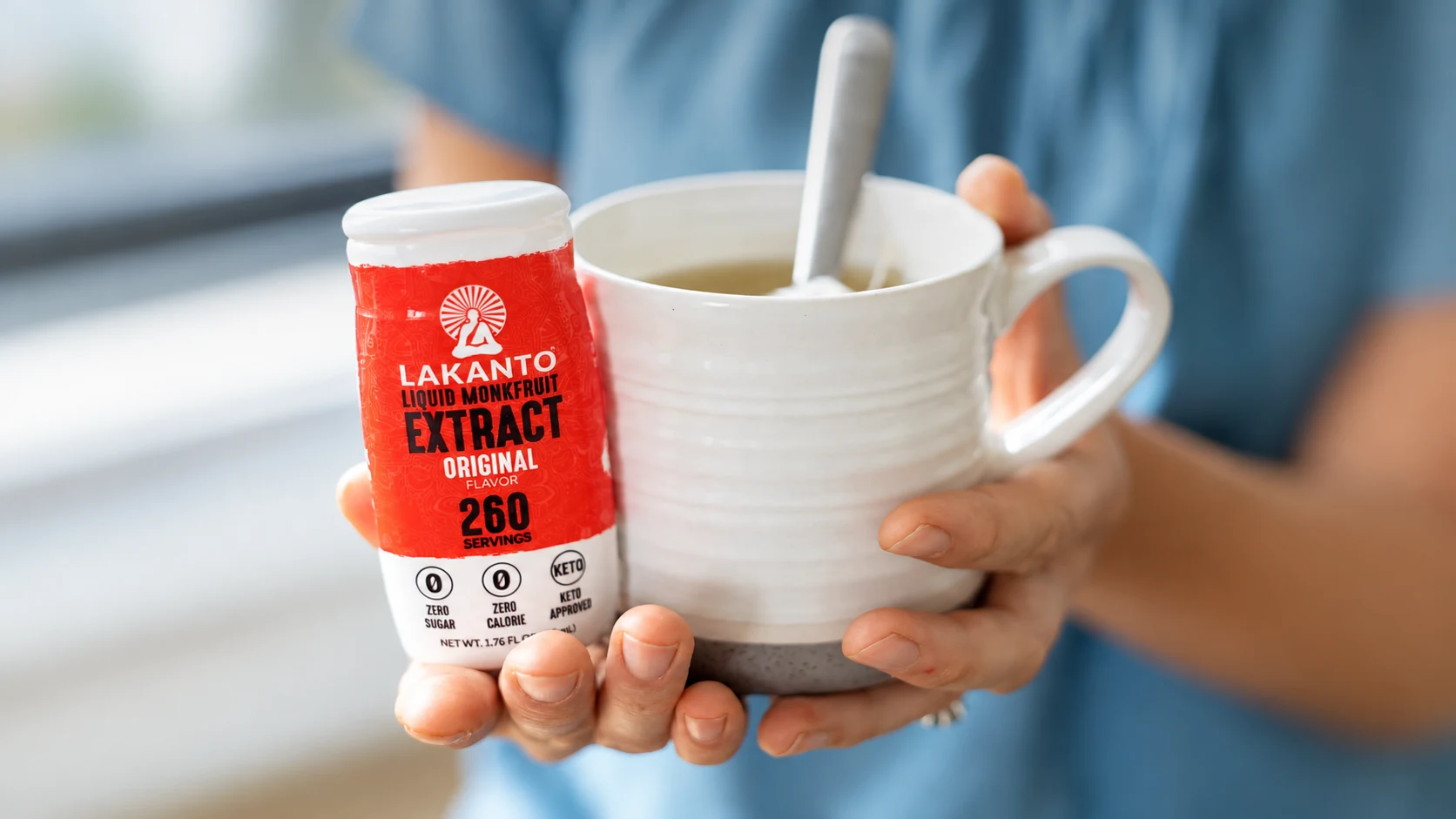
Original liquid monk fruit is a small 1.76 fl oz / 52 mL bottle of water, monk fruit extract and natural flavors. Its directions start with three to four drops per 8 fl oz drink. The concentrated format takes little counter space and is easy to carry when a spoonable bag would be awkward.
A short espresso is much smaller than the drink in that direction. Start conservatively, stir and add another drop only after tasting. Count slowly enough to see each drop; a quick squeeze sacrifices the main benefit of the dispenser. This is the unflavored Original choice, so it lets you adjust sweetness separately from a vanilla syrup. Keep the nozzle and closure clean, and use a drop count in your coffee note instead of borrowing the 1:1 measure from a Lakanto granulated blend.
25. Lakanto Classic With Erythritol: a large bag for an established preference
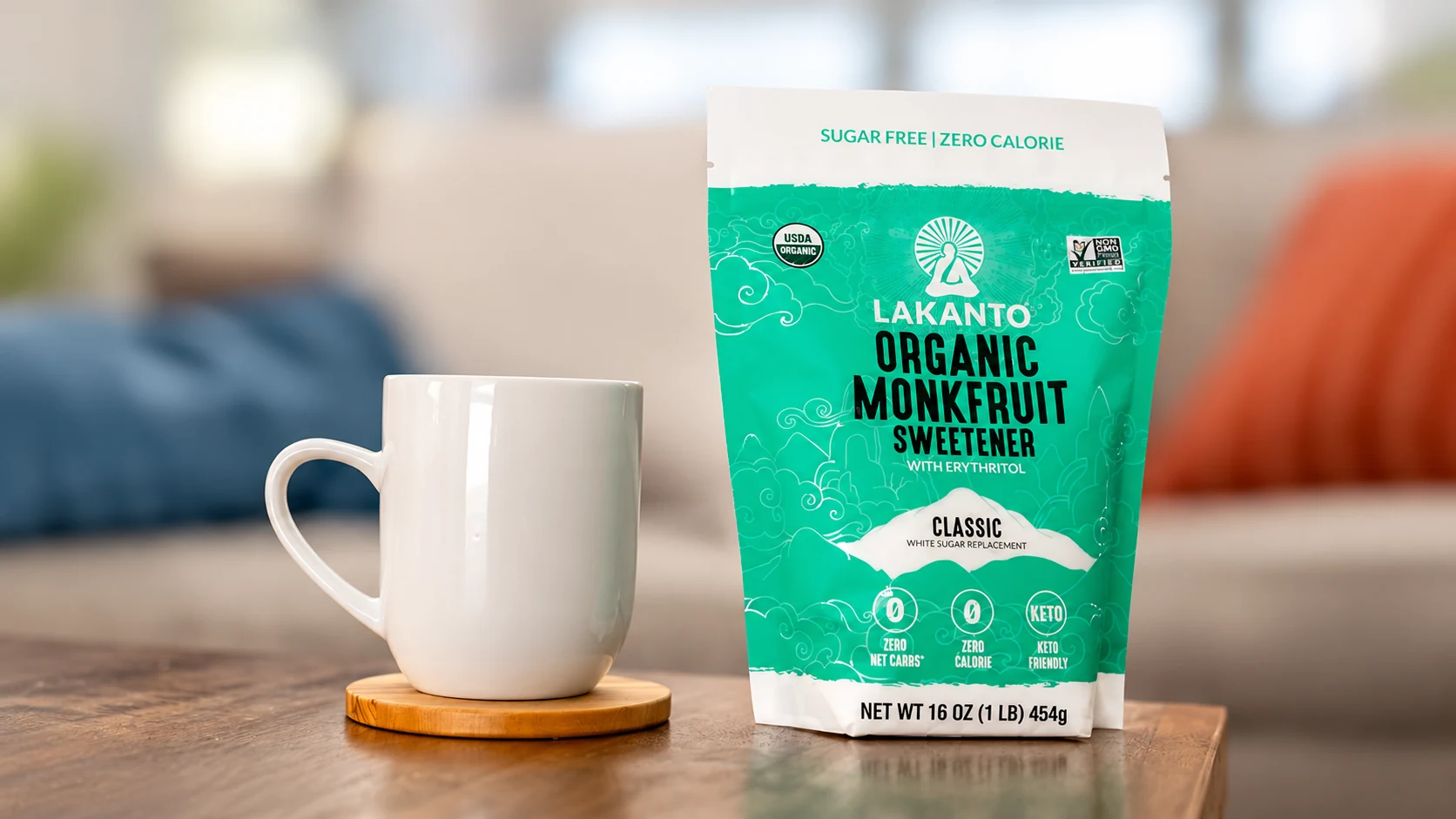
The three-pound Classic bag is a substantial supply of erythritol and monk fruit sweetener. Its 1:1 sugar-replacement direction by volume makes a level spoon a convenient starting measure for coffee. It fits someone who already enjoys this formula and also uses it in the kitchen, with a small labeled working container beside the coffee maker.
For an iced latte, dissolve the granules in warm espresso before adding milk. Taste the complete drink, including the finish, before increasing the portion. The carrier here is erythritol. If you would rather try allulose, the separate one-pound Lakanto With Allulose option gives you that comparison without buying another three-pound supply. The large bag is useful after a taste preference is established; quantity does little to help if the first few coffees reveal a finish you dislike.
26. Lakanto Golden: compare its flavor before buying the large supply
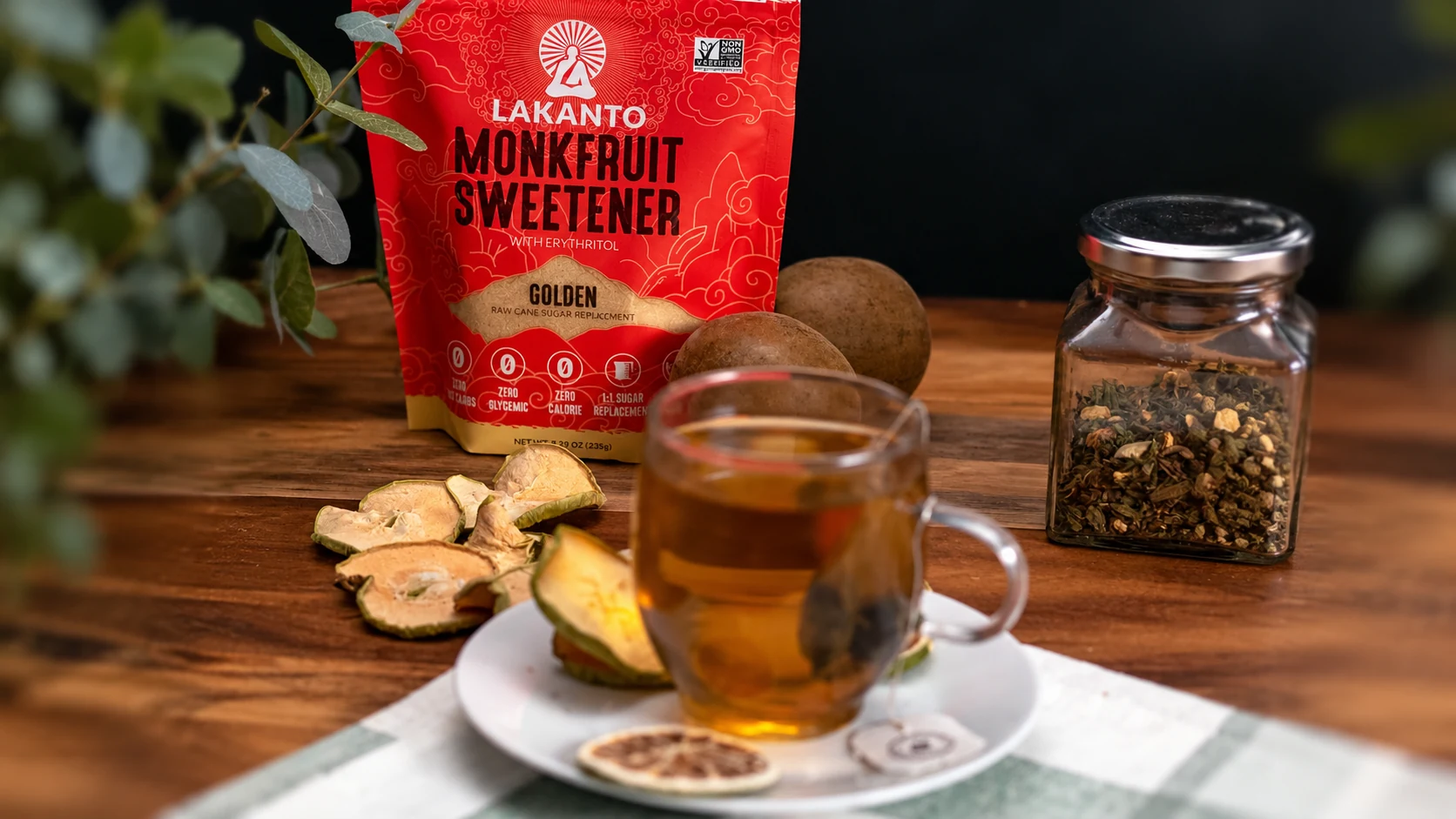
Lakanto positions Golden as a raw-cane-sugar replacement, with a different flavor from Classic. It uses erythritol and monk fruit and carries the same 1:1 volume direction. Golden does not supply the molasses of dark brown sugar. If molasses is the flavor you want in a latte, Wholesome Dark Brown is the direct ingredient comparison.
Try Golden and Classic at small equal-volume doses in two otherwise identical milk coffees. Stir both thoroughly and consider the finish after swallowing. Lakanto customer feedback includes differing responses to the flavor and the cooling sensation associated with erythritol; the bag color cannot decide that preference for you.
This is a three-pound purchase. It suits regular use after you know you like Golden, with the unopened supply kept dry and the working container clearly labeled. A smaller bag is easier for a first tasting if available.
27. Equal Original: familiar blue packets for a shared coffee station
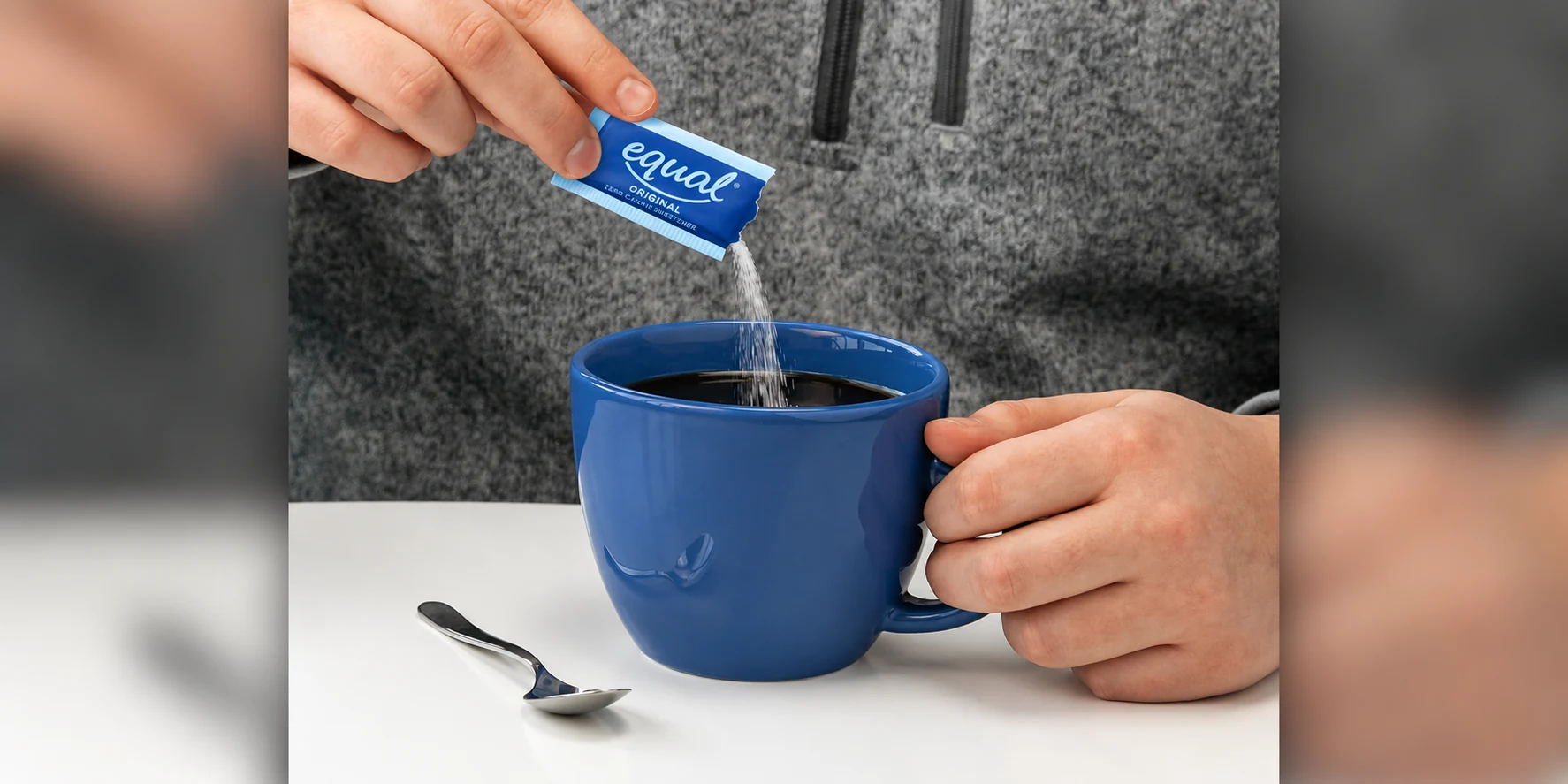
Equal Original offers a different sweetening base from the stevia and monk fruit choices: aspartame and acesulfame potassium, carried in dextrose with maltodextrin. The 800-packet box suits an office station or a household that already uses Equal regularly. Keep a smaller working supply beside the machine and the rest dry in its original box.
The manufacturer’s conversion is one packet for the sweetness of two teaspoons of sugar. For a short espresso or small Americano, start with part of a packet; a whole one may be more sweetness than you want. Stir through the coffee, add your usual milk if using it, and taste the finished cup. Try a smaller supply in your own coffee before an 800-count purchase; the finish you enjoy in a café drink may feel different with your usual espresso and milk.
Because the formula contains aspartame, the packet carries a phenylalanine warning for people with phenylketonuria (PKU). Keep that information available when serving it in a shared station.
28. SPLENDA Liquid Original: sweeten iced coffee without a powder carrier
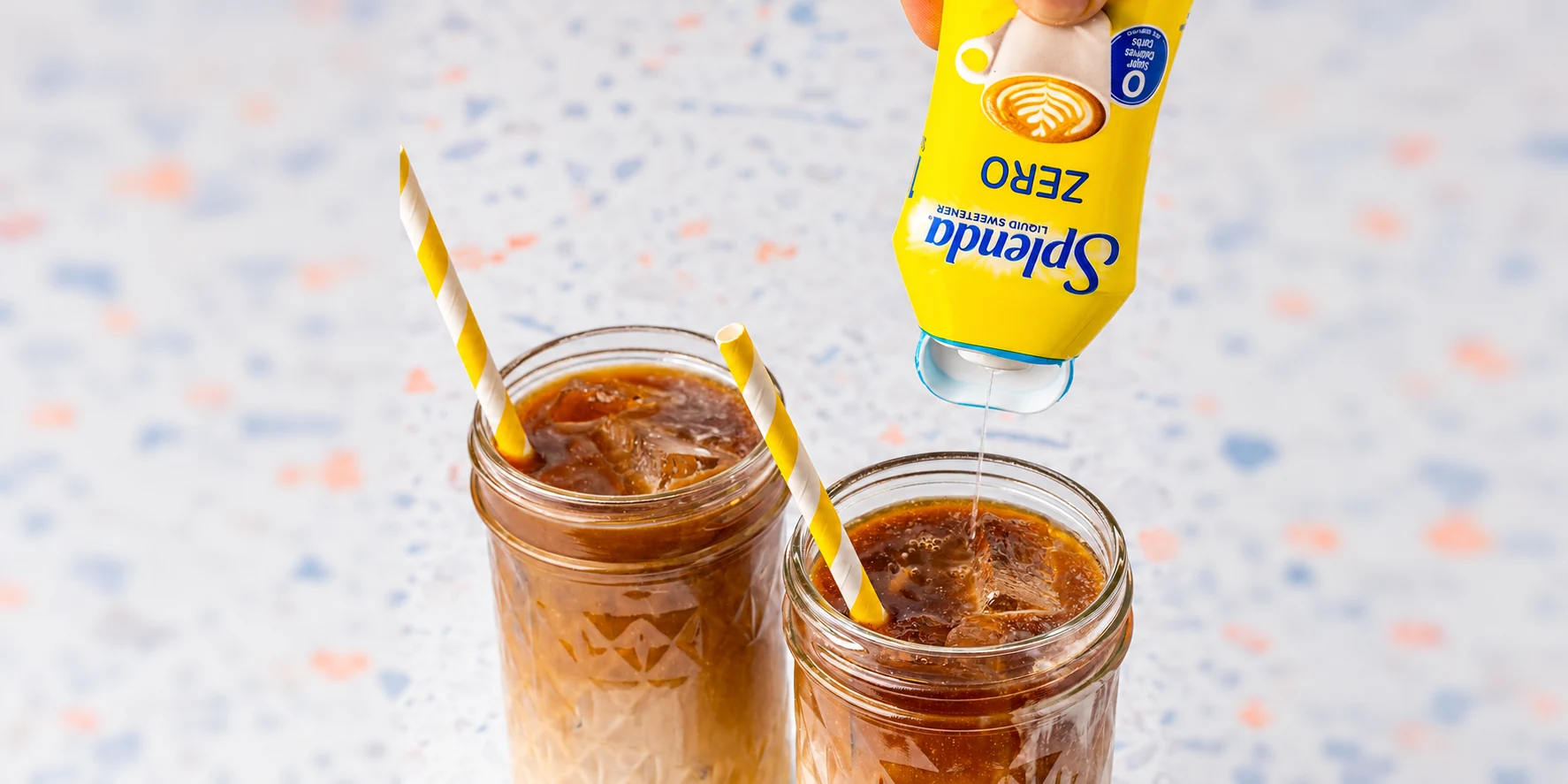
For cold brew, this is a useful change of format: sucralose already dispersed in water, with no erythritol or powdered maltodextrin carrier. Add a small measured portion to the coffee, stir, then adjust before filling the glass with ice. The Original liquid adds sweetness without a vanilla or caramel recipe; those flavors can remain a separate choice.
The label lists a serving as ⅛ teaspoon, or 0.60 mL. A squeeze is less exact than that measure: pressure and how long you hold the bottle change what comes out. Once a dose tastes right in your usual coffee and milk, note the measured volume so you can repeat it. The compact bottle fits a coffee routine away from the kitchen without carrying a box of packets. This purchase supplies two 100 mL bottles, so one can stay beside the machine and the other unopened. SPLENDA’s stevia packets elsewhere in this guide use a different extract and carrier; their packet conversion does not transfer to this liquid.
Vanilla, caramel, hazelnut and peppermint syrups
A coffee syrup ties sweetness to flavor intensity. Once the vanilla or mint is strong enough, a larger pour also changes the aroma again. Choose the flavor and sweetening base first, then the supply: an individual bottle leaves less to store than a four-bottle set.
| Image | Sweetener | Format / quantity | Sweetening base | Dosing / mixing | Useful distinction |
|---|---|---|---|---|---|
|
Torani Vanilla | Vanilla syrup · 750 mL bottle + pump | Cane sugar, water, natural flavors | Label: 20 g sugars per 30 mL | Measure the supplied pump before relying on pump counts |
|
Monin Salted Caramel | Salted caramel syrup · 750 mL bottle | Cane sugar, water, natural flavors, sea salt | Label: 25 g sugars per 30 mL | Salt and caramel intensity increase with the dose |
|
Torani Sugar Free Vanilla | Sugar-free vanilla syrup · 750 mL bottle + pump | Water; acesulfame potassium and sucralose | Label: 0 g sugars per 30 mL | Zero sugar does not mean unflavored |
|
Skinny Mixes Vanilla | Sugar-free vanilla syrup · 750 mL bottle | Water; sucralose and acesulfame potassium | Label: 0 g sugars per 30 mL | The current label includes artificial flavor |
|
Starbucks Vanilla | Pourable syrup · 1 liter · one bottle | Sugar + vanilla flavoring | Measure into the milk or coffee | Large bottle; pump not promised |
|
Torani Classic Caramel | Pourable syrup · 750 mL · one bottle | Cane sugar + caramel flavoring | Start with 5–10 mL in a latte | Syrup is a separate format from caramel sauce |
|
Torani French Vanilla | Pourable syrup · 750 mL · one bottle | Cane sugar + natural flavors | Measure a small trial dose into the coffee | French Vanilla does not specify an egg ingredient |
|
Torani Coffeehouse Variety Pack | Four flavored syrups · Four 750 mL bottles | Cane-sugar syrup formulas | Measure each flavor separately | Four full-size bottles; not a trial-size set |
|
Torani Hazelnut | Pourable syrup · 750 mL · one bottle | Cane sugar + hazelnut flavoring | Start with 5 mL; taste before increasing | Use the received allergen label |
|
Torani Peppermint | Pourable syrup · Four 750 mL bottles | Cane sugar + peppermint flavoring | Start with a restrained 2.5–5 mL trial | Four bottles suit regular use or a shared station |
Four reference bottles at the same volume
This comparison uses the ordinary Torani Vanilla, Monin Salted Caramel and two sugar-free vanilla bottles to show their declared total sugars at an equal 15 mL volume. It answers a label question about these four references. The full table above covers all ten syrup selections, including the other flavors and bundle.
Equal-volume comparison
Declared total sugars per 15 mL tablespoonFour reference bottles, in descending order, on a 0–15 g scale. Select a name to read its review.
29. Torani Vanilla: put a volume behind the pump
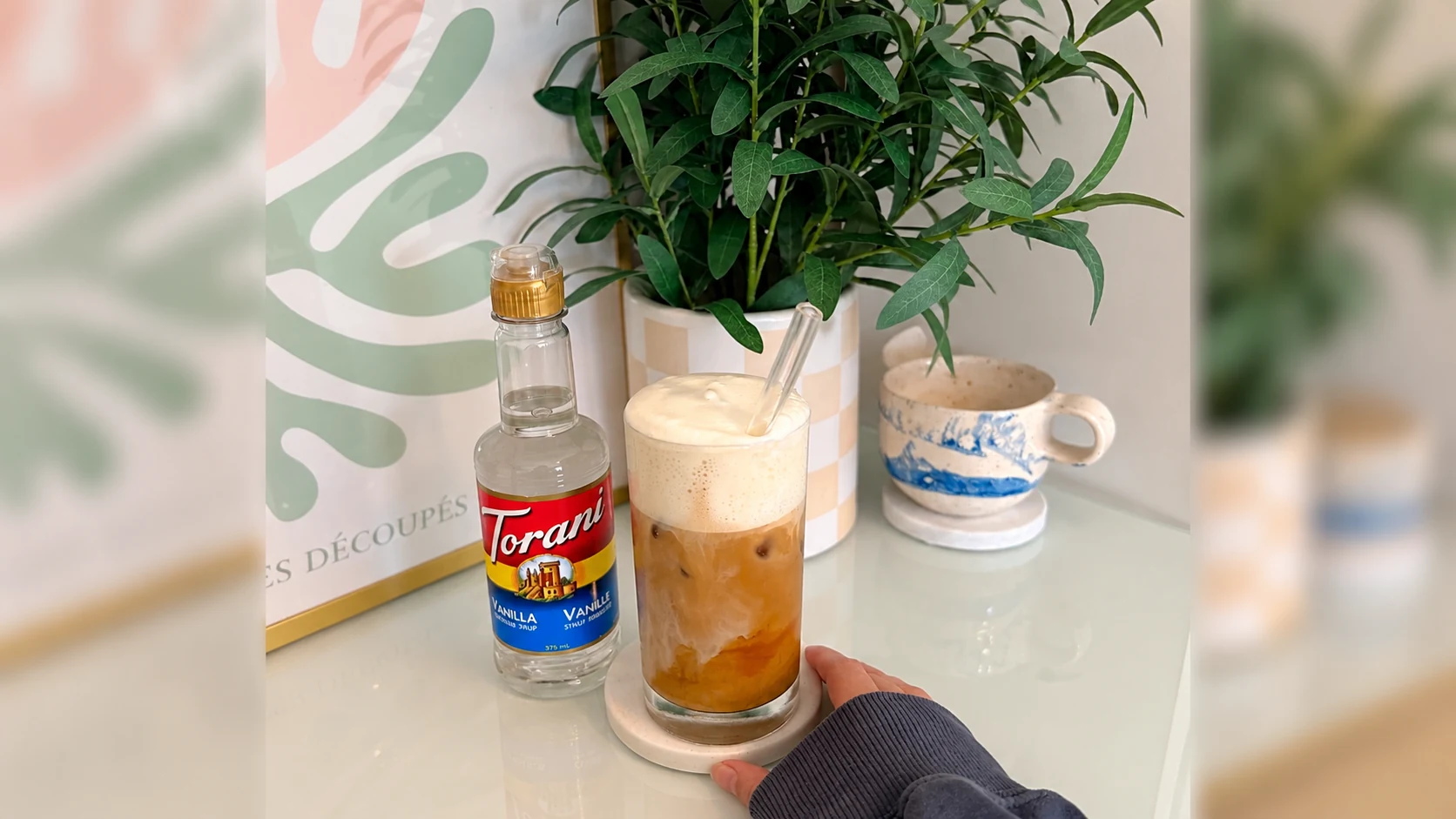
The 750 mL bottle with a pump is convenient once vanilla lattes are a regular drink. Torani Vanilla combines cane sugar, water and natural flavors, adding sweetness and vanilla aroma in one pour. Its label declares 20 g total sugars per 30 mL; a smaller 5 mL trial contributes about 3.3 g from the syrup.
Find the dose with a measure before switching to pump counts. Stir 5 mL into a familiar espresso, add your usual latte milk and taste. Increase the volume in small steps until both the sweetness and vanilla suit the drink. Prime the supplied pump, collect several full strokes and measure their output so your chosen volume becomes a repeatable stroke count.
If the coffee already has enough vanilla, increasing the syrup will strengthen that aroma again. An unflavored sweetener gives you a separate sweetness adjustment. The pump bundle suits repeating one recipe; a bottle and spoon are sufficient while you are still comparing flavors.
30. Monin Salted Caramel: balance the salt and caramel together
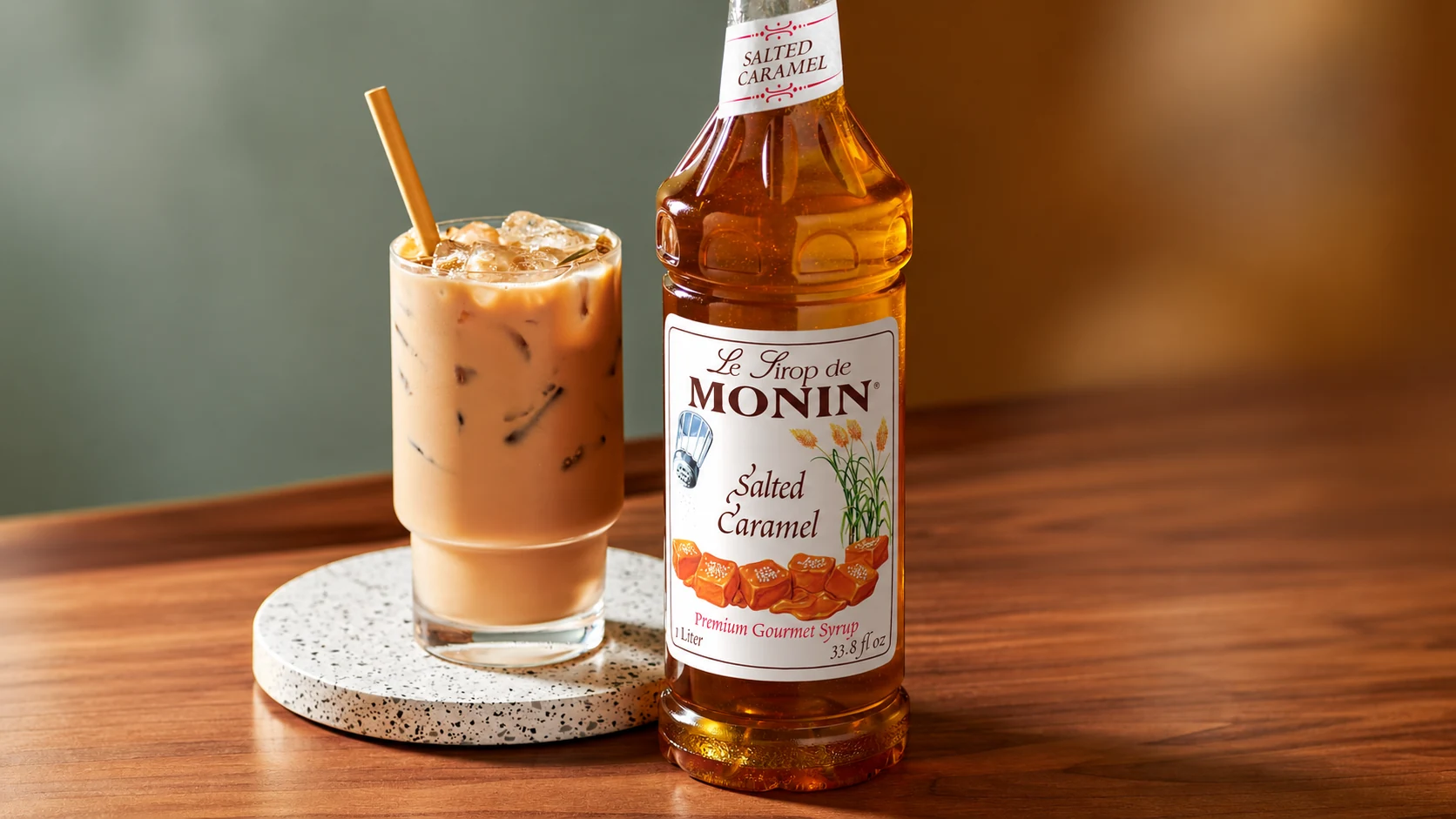
Monin describes rich caramel with a moderate salt accent. The US syrup formula uses cane sugar, water, natural flavors and sea salt, so increasing its dose changes sweetness, caramel intensity and salt together. The 750 mL bottle is useful for a flavored latte where you want that combination mixed through the drink.
The US label declares 25 g total sugars per 30 mL. Start below a full tablespoon for a smaller milk coffee; 5 mL works out to about 4.2 g sugars from this label. Stir through the shot, add milk and judge the complete balance. A larger dose can overwhelm a short cappuccino even if it tastes right in a tall iced latte.
Monin directs room-temperature storage and says refrigeration is unnecessary for this syrup. Keep the cap and any pump clean. If ordering a pump separately, confirm the bottle fit and measure its stroke volume; the bottle size itself tells you nothing about the eventual pump output.
31. Torani Sugar Free Vanilla: find its own latte dose
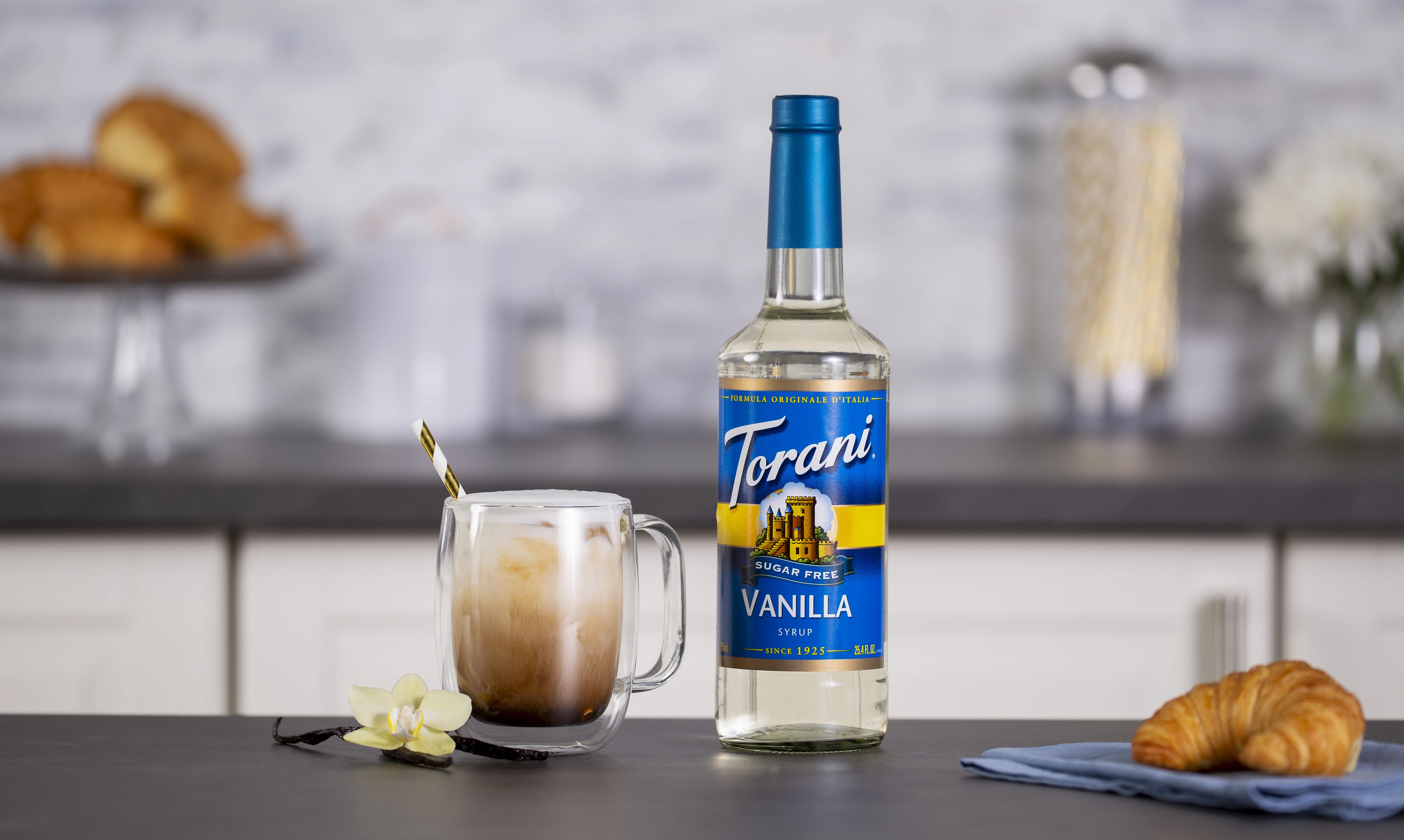
Torani’s Sugar Free Vanilla uses acesulfame potassium and sucralose instead of the cane-sugar base of ordinary Vanilla. Its label declares zero sugars and calories per 30 mL serving. The 750 mL pump bundle gives you the same convenient station format, with a different formula to taste in the cup.
Try the two vanilla formulas in separate coffees with the same milk and an equal measured syrup volume. Consider the vanilla aroma and finish after swallowing, then adjust each drink to the dose you prefer. Matching volume makes a useful first comparison; it does not guarantee equal perceived sweetness.
The milk and toppings still contribute their own sugars. Keep those ingredients with the syrup in the recipe note. A pump becomes helpful when the dose is settled, so measure its output before relying on a fixed stroke count. For a small vanilla coffee, you may find a measuring spoon gives finer control than a full pump stroke.
32. Skinny Mixes Vanilla: another sugar-free flavor to compare
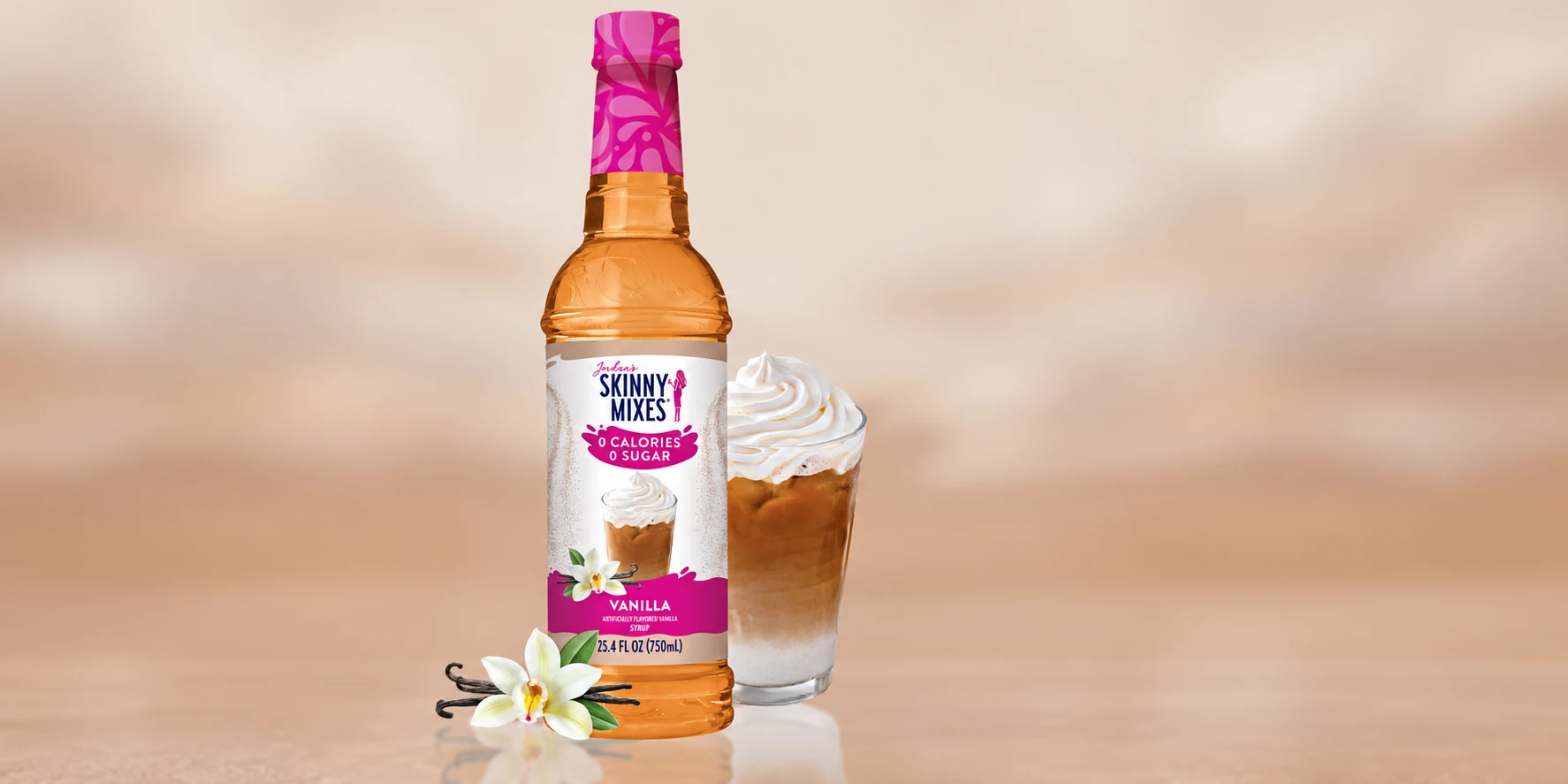
Jordan’s Skinny Mixes supplies a 750 mL sugar-free vanilla syrup using sucralose and acesulfame potassium. Its label includes artificial flavor, whereas the Torani Sugar Free Vanilla ingredient list specifies natural flavors. Those descriptions identify different formulations; taste them in your coffee before deciding which vanilla you prefer.
Start with a small measured dose in your usual milk coffee and compare the finish after a second sip. The label declares zero sugars per 30 mL serving, but a larger pour also brings more vanilla flavor. Once the aroma is strong enough, adding more syrup may take the drink in a direction you do not enjoy. The single-bottle selection has no assumed pump bundle. A teaspoon measure lets you experiment immediately, with the coffee and milk quantities held steady between trials.
33. Starbucks Vanilla: a liter for a regular latte habit
The one-liter Starbucks Vanilla bottle is a substantial supply for someone who regularly makes vanilla milk coffees. The syrup uses sugar, water and natural flavoring alongside preservative and acid ingredients. It provides the sweetened vanilla base; the milk, espresso and any caramel topping need their own quantities.
For a first hot latte, mix 5–10 mL into the espresso before adding milk. For an iced version, it can also be mixed into the milk before assembly. Stir the completed drink before judging its sweetness. A layered glass can give you a milk-heavy first sip and a much stronger coffee layer underneath.
The listing does not promise a pump. A small graduated measure is enough to establish a recipe, and the liter size earns its storage space when you make these drinks often. Follow the bottle’s storage label and keep the dispensing closure clean. Record the dose in milliliters so a later switch to Torani or another vanilla remains an understandable comparison.
34. Torani Classic Caramel: flavor throughout the coffee
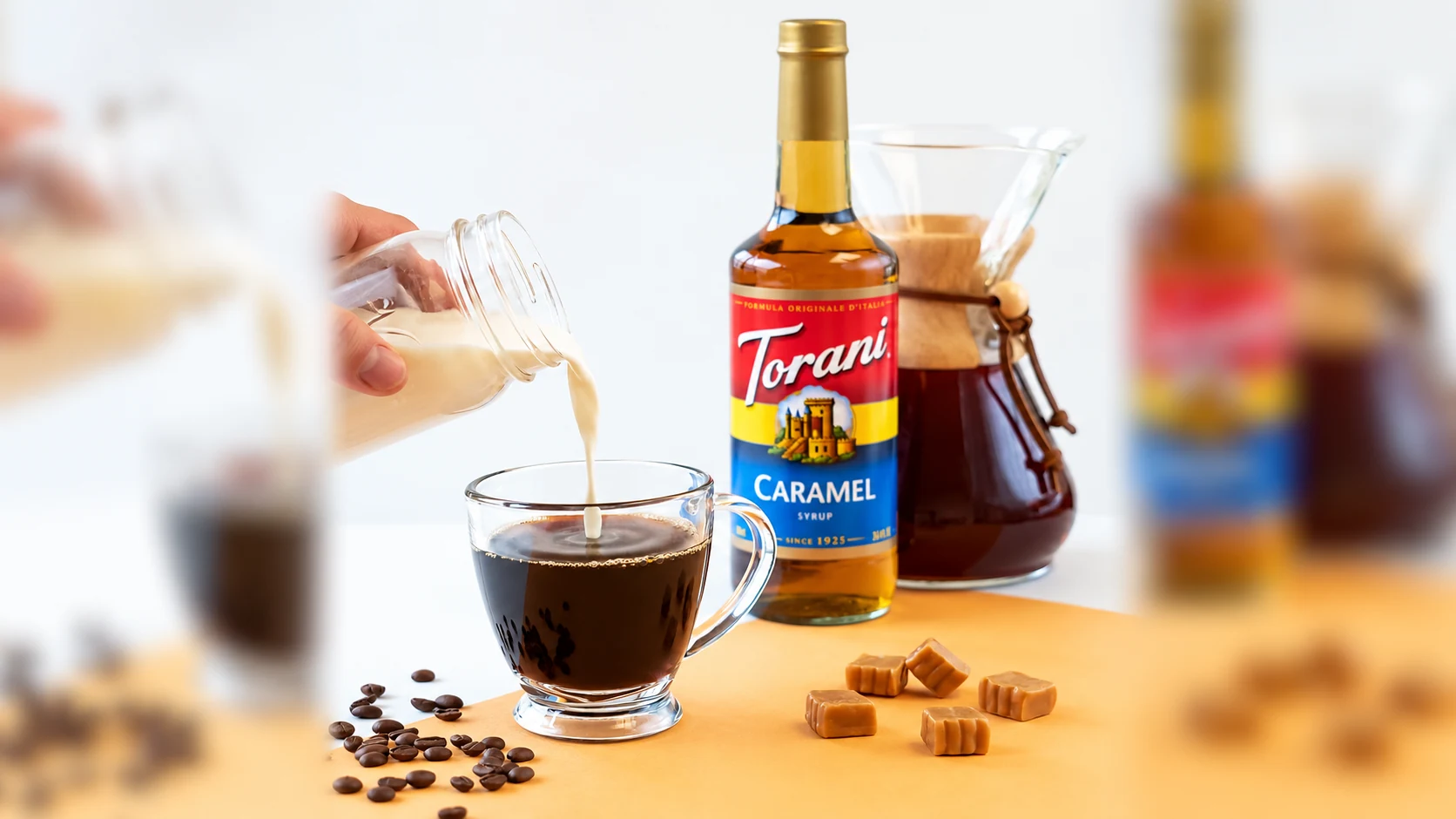
Classic Caramel is a pourable cane-sugar coffee syrup in a 750 mL bottle. It is easy to mix through espresso or cold coffee, giving the whole drink caramel flavor. That makes it a different choice from a thicker caramel sauce used for a surface drizzle, even though both can appear in the same latte.
Try 5–10 mL with a familiar espresso and milk quantity. Start at the lower end for a smaller cup and taste after the drink is mixed. Keep the first trial free of caramel topping. That gives you a chance to judge the syrup’s flavor and sweetness on their own. If you later add a sauce, include its portion in the recipe rather than treating it as decoration. This single bottle is a more manageable purchase than the four-bottle sauce pack when you are still discovering whether caramel coffee is a regular drink for you.
35. Torani French Vanilla: compare the vanilla profiles side by side
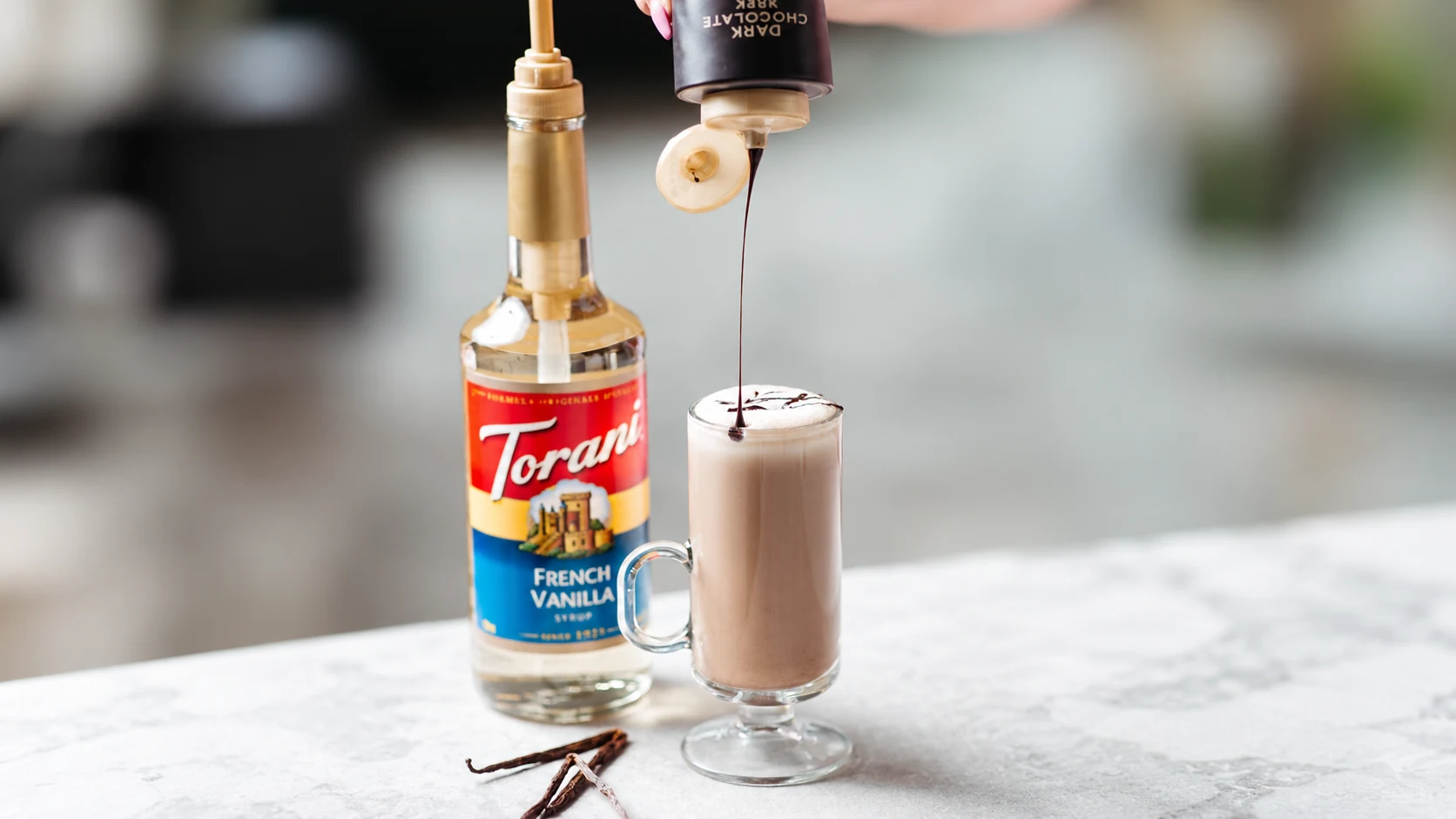
French Vanilla gives you another vanilla profile in Torani’s regular cane-sugar syrup range. The brand describes a rich, creamy flavor; the 750 mL bottle is useful for someone who already enjoys vanilla coffee and wants to compare that character with ordinary Vanilla. French Vanilla is the flavor name. It does not by itself establish an egg ingredient.
Make two small milk coffees with the same espresso, milk and measured syrup amount. Taste ordinary Vanilla and French Vanilla separately before choosing a daily recipe. Chocolate sauce can accompany French Vanilla in a mocha, but adding it during the first comparison makes the vanilla difference harder to notice.
A single flavor bottle lets you make that choice without buying the whole Coffeehouse bundle. Once one version becomes the favorite, keep its full name and dose in the recipe; a note saying only “vanilla” loses the distinction you spent time tasting.
36. Torani Coffeehouse set: four flavors, four full-size bottles
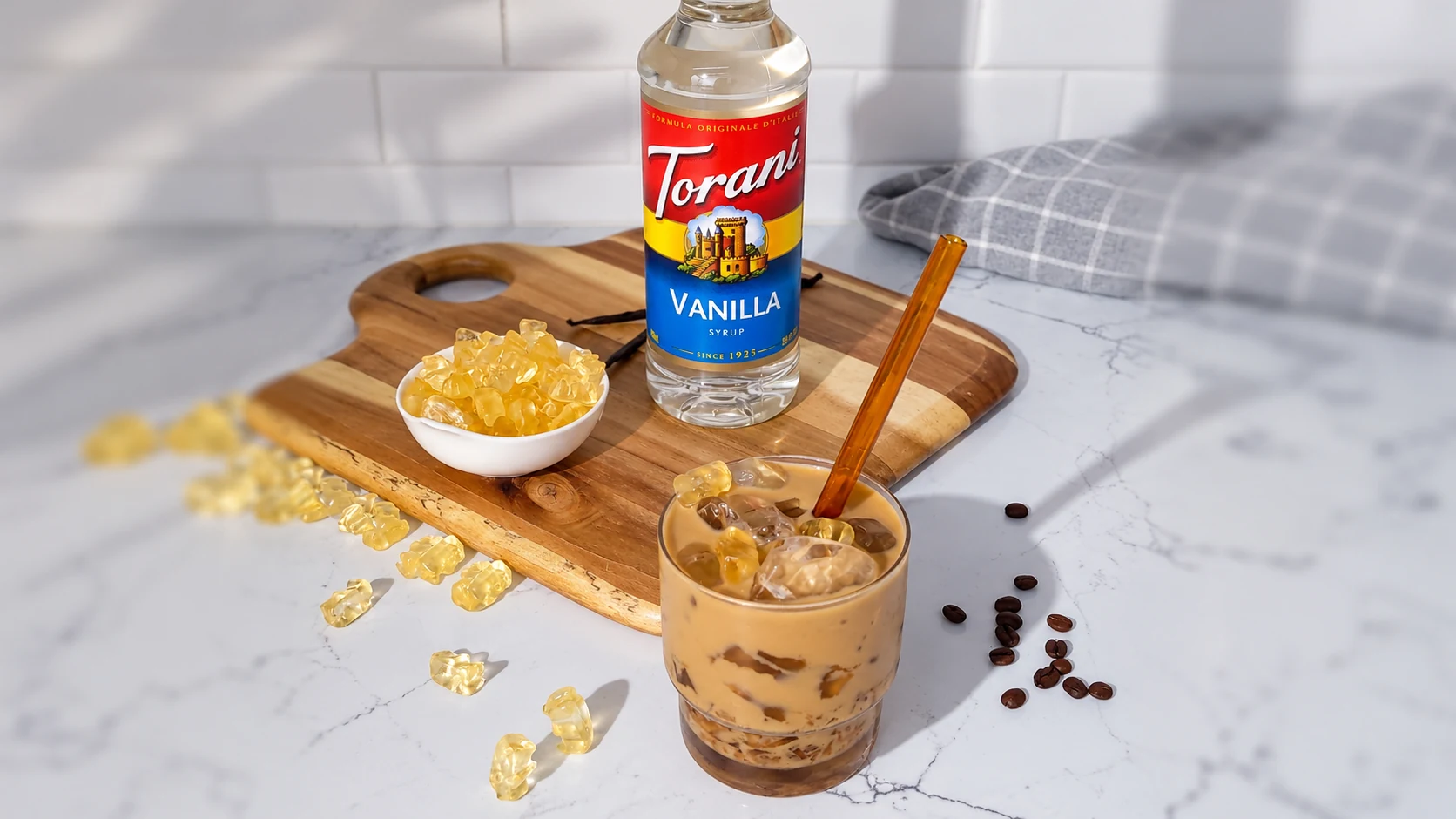
The bundle contains Vanilla, French Vanilla, Classic Caramel and Classic Hazelnut, each in a 750 mL bottle. It is useful when several coffee drinkers have different favorite flavors or when you already use these syrups regularly. Three liters of syrup is a large supply for an initial tasting.
Give each flavor a separate recipe. Vanilla and French Vanilla make a useful first comparison at equal volume in identical milk coffees; caramel and hazelnut can follow as individual drinks. Mixing all the flavors into one cup makes it difficult to identify what you want to repeat.
- Space: plan for four tall bottles in the cupboard or coffee station.
- Dispensing: pumps are a separate consideration for this set. A clean measure can serve all four without moving one pump between bottles.
- Use: keep unopened bottles sealed while working through the flavors you actually drink.
If one flavor is already your clear favorite, buying that individual bottle avoids storing three others just to get it.
37. Torani Hazelnut: a nutty direction for milk coffee
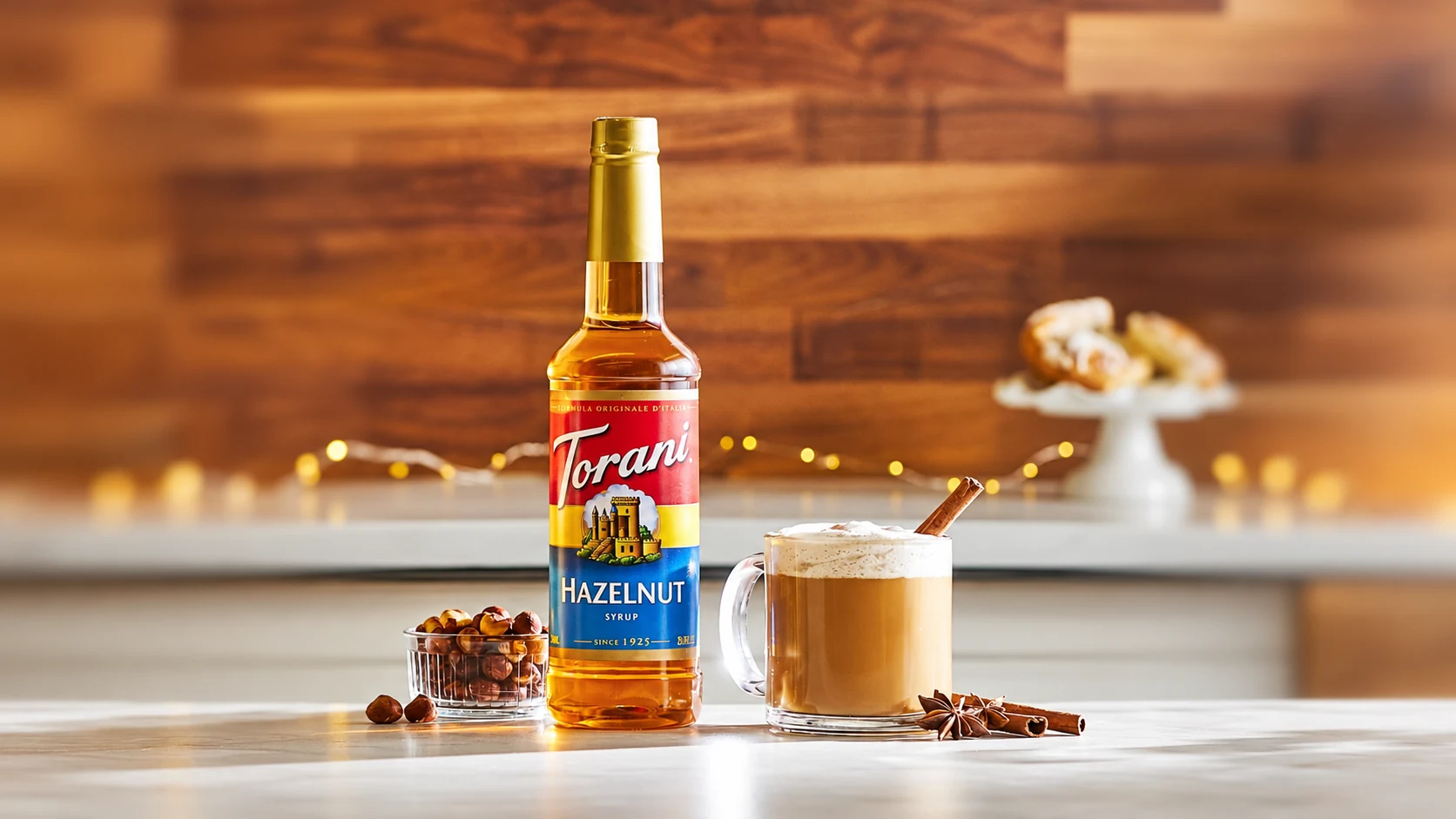
Hazelnut shifts a latte toward a nut-flavored aroma. The regular 750 mL cane-sugar syrup is a useful alternative to vanilla when your coffee has a chocolate or nutty profile you enjoy. Start with 5 mL in a familiar milk drink, stir and taste before adding more.
It also works as a supporting flavor in a mocha. Keep the chocolate portion steady and try a smaller hazelnut addition, such as 2.5 mL, so you can judge what it adds to the same coffee. Both ingredients sweeten the drink, and increasing both together makes that comparison harder.
Retain the bottle’s allergen information at a shared station. A flavor name alone establishes neither the presence nor the absence of nuts. The selected bottle has no promised pump, so begin with a measuring spoon and keep the dose in milliliters. That is enough to repeat a favorite hazelnut latte without adding dispensing equipment immediately.
38. Torani Peppermint: a small addition with a large flavor effect
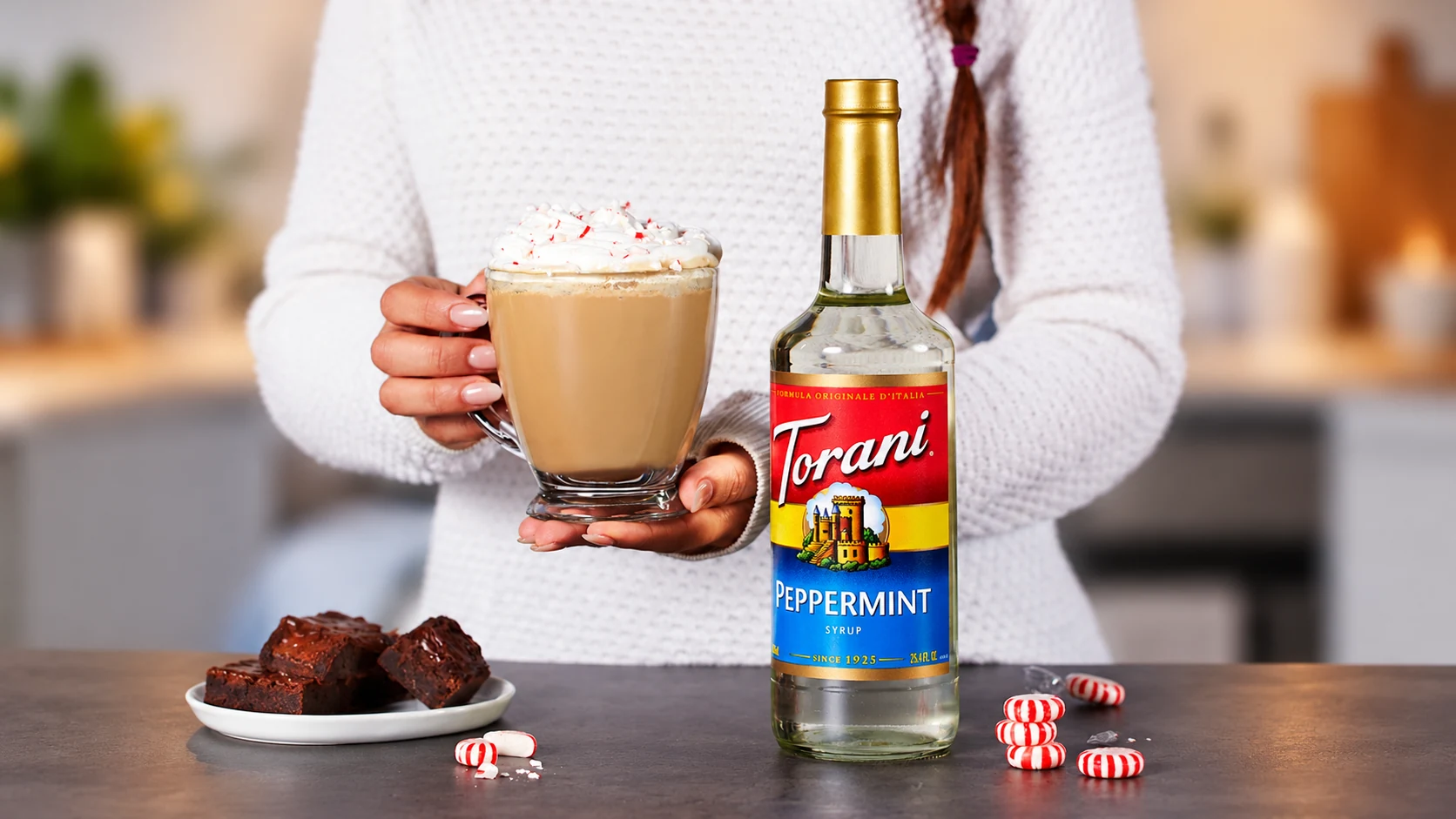
For a peppermint mocha, start with 2.5–5 mL of the regular syrup alongside a measured chocolate portion. Mint can quickly become the dominant aroma in a short milk coffee. Taste after adding the milk before increasing it; keeping the first dose restrained gives you room to adjust.
The purchase contains four 750 mL bottles. That is a sensible supply for an established peppermint routine, several coffee drinkers or planned seasonal use. For someone experimenting with one holiday drink, the quantity is the main drawback. The regular formula contributes sugar, so use its own label when accounting for the chocolate and syrup together. Open one bottle at a time, keep the remaining seals intact and judge the supply against how often you actually make peppermint coffee.
Chocolate syrup and caramel sauce: mixing and toppings
A thicker sauce benefits from warm espresso before cold milk goes in. Refrigeration can also make dispensing harder, and caramel sauces may add dairy even to a latte made with a milk alternative. Compare those handling and ingredient differences alongside bottle count; a finishing drizzle adds another portion to the mixed-in dose.
| Image | Sweetener | Format / quantity | Sweetening base | Dosing / mixing | Useful distinction |
|---|---|---|---|---|---|
|
HERSHEY’S Chocolate | Chocolate flavored syrup · 24 oz · one bottle | Corn syrups + sugar + cocoa | Stir a measured spoon into warm espresso | Chocolate brings sweetness as well as cocoa |
|
Ghirardelli Caramel Sauce | Thick sauce · 17 oz · one bottle | Sugar syrups + dairy ingredients | Mix into warm coffee; measure topping separately | Contains milk; refrigerate after opening |
|
Torani Puremade Dark Chocolate | Chocolate sauce · Four 16.5 oz bottles | Cane sugar + invert sugar + cocoa + chocolate | Start with 1 tsp stirred into warm espresso | Four-bottle pack; use opened bottle within four weeks |
|
Torani Puremade Caramel Sauce | Caramel sauce · Four 16.5 oz bottles | Sugar syrups + heavy cream + butter + nonfat milk | Mix 1 tsp into espresso; account for drizzle separately | Contains milk; four bottles suit established use |
|
Ghirardelli Chocolate Sauce | Chocolate sauce · 16 oz · one bottle | Cane sugar + invert cane sugar + cocoa + chocolate | Measure first; stir through warm espresso before milk | Soy lecithin; may contain milk; refrigerate after opening |
39. HERSHEY’S Chocolate: a single-bottle starting point for mocha
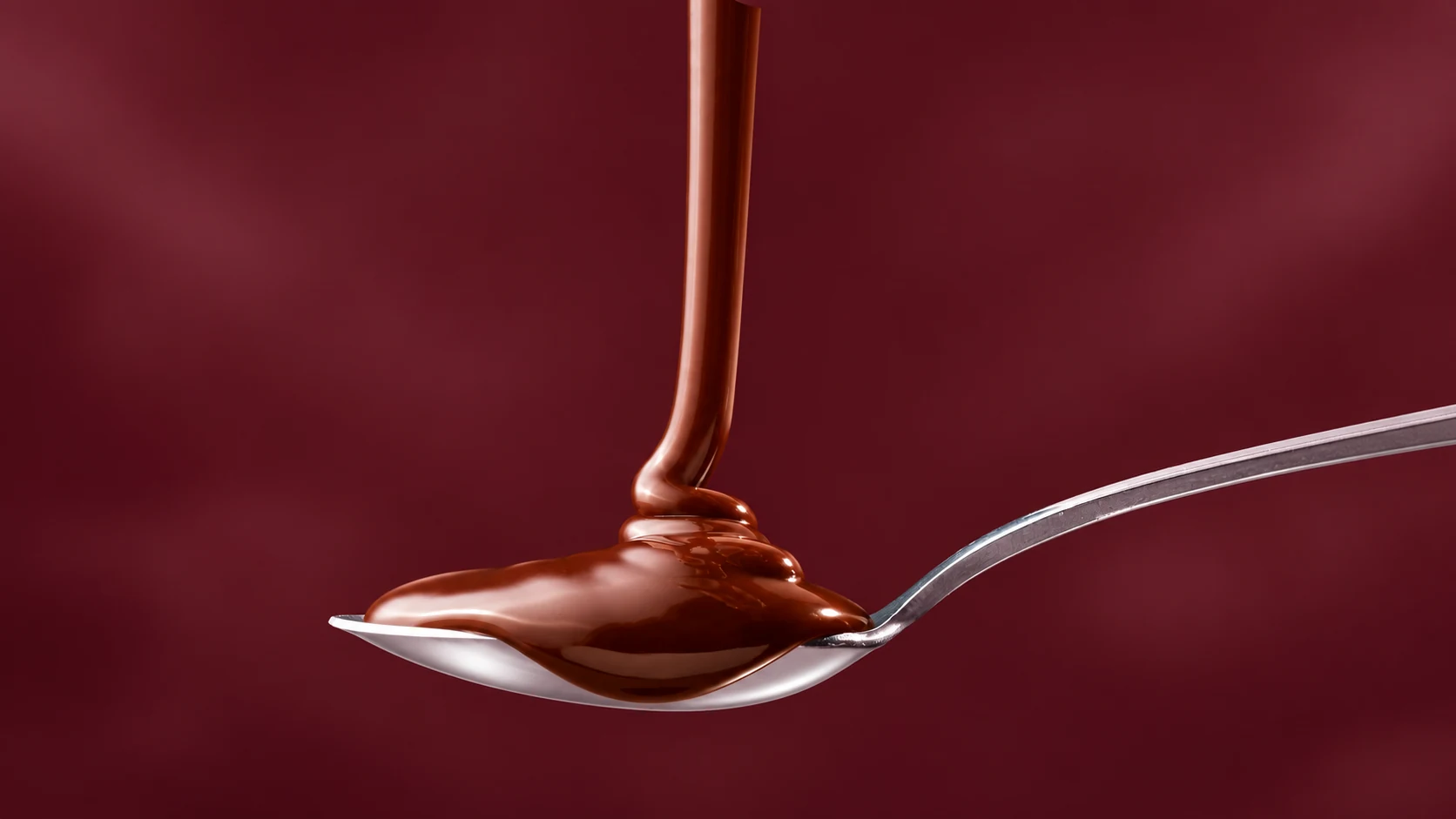
The 24 oz squeeze bottle gives you cocoa flavor and sweetness in one familiar chocolate syrup. HERSHEY’S lists corn syrups, sugar and cocoa among its ingredients. It is a practical first mocha ingredient when you want one bottle to experiment with before committing to a chocolate-sauce multipack.
Measure the portion into warm espresso and stir until the mixture is uniform, then add milk. A chocolate ribbon dropped into a finished iced drink can stay near the bottom and make the last sip disproportionately sweet. The label declares 10 g total sugars per 19 g tablespoon serving; keep that mass-based serving in mind when doing nutrition arithmetic.
Let chocolate be the only sweetening ingredient in the first mocha. Once you like that base, try a small hazelnut or peppermint dose as a separate variation. Leave the chocolate quantity steady so you can taste what the second flavor changes. Wipe the closure after dispensing and follow the bottle’s storage directions.
40. Ghirardelli Caramel Sauce: account for the drizzle

Ghirardelli’s sauce gives you a thicker caramel ingredient for mixing into espresso or adding as a topping. It contains milk ingredients, which remain part of the drink when you choose oat or another milk alternative for the latte. The selected listing is the 17 oz format.
Stir a measured portion into warm coffee before adding cold milk. If you want a caramel-rich surface as well, measure that topping separately. The spoonful inside the drink and the drizzle on top both contribute sweetness, even when the second portion is mainly there for its appearance.
Refrigerate after opening and do not microwave the container. A cold sauce can need more effort to dispense and mix, so portion it before brewing the coffee. For warming, transfer the portion to a suitable vessel. The single bottle is easier to commit to for occasional caramel drinks than Torani’s four-bottle sauce pack.
41. Torani Puremade Dark Chocolate: cocoa for a regular mocha routine
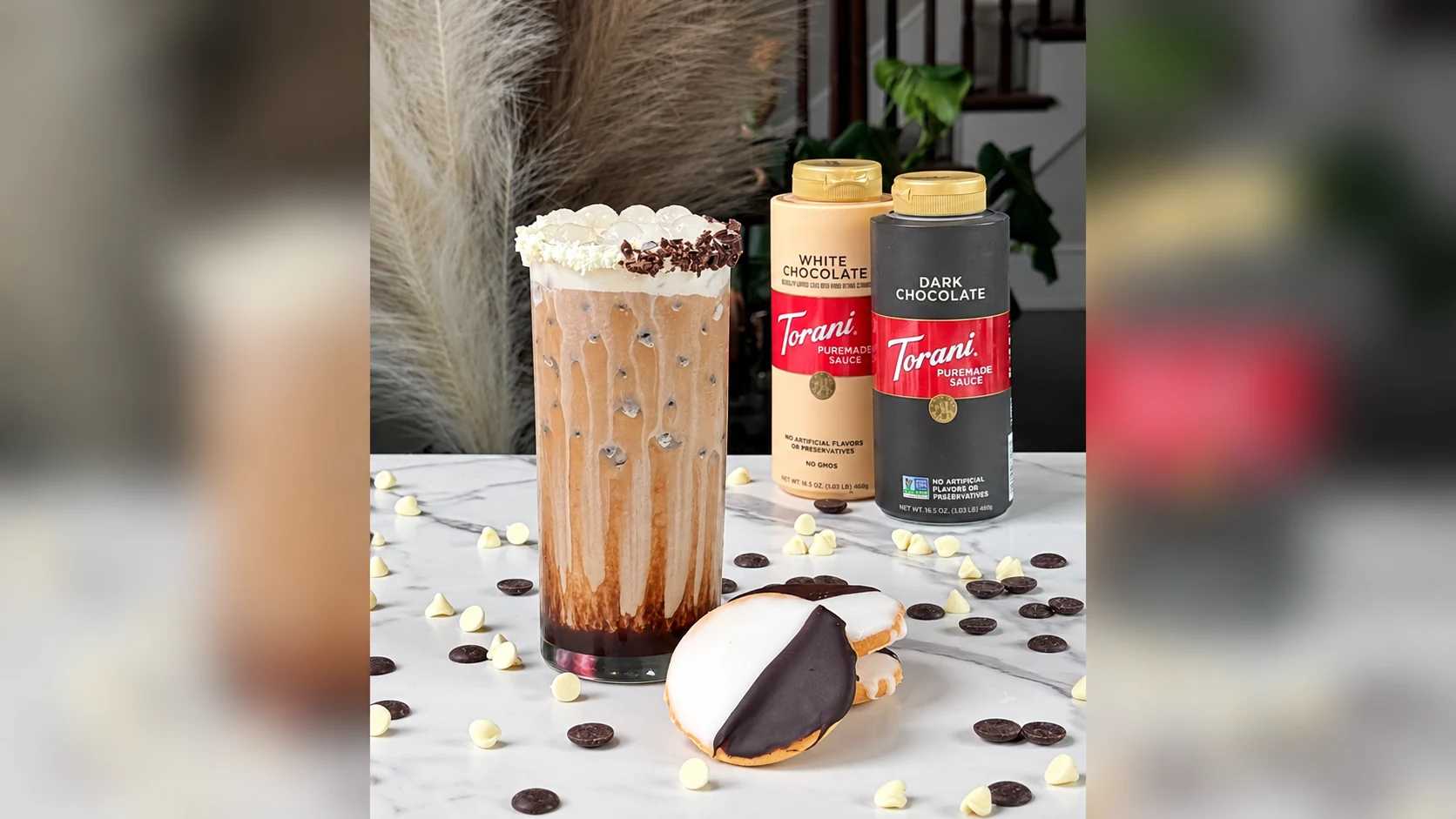
Puremade Dark Chocolate combines cane sugar and invert sugar with alkali-processed cocoa and chocolate liquor. It gives a regular mocha drinker a chocolate ingredient for mixing through espresso and finishing a drink. The sauce also supplies sweetness, so begin the first mocha with the chocolate sauce alone.
Stir a measured teaspoon into warm espresso, add your usual milk and taste. Increase the chocolate in a later cup if you want a stronger cocoa presence. Owner feedback includes successful mocha use and complaints about thickness; mixing before cold milk and ice gives the sauce a warmer liquid to disperse in.
The supply is four 16.5 oz bottles. Torani recommends finishing an opened Dark Chocolate bottle within four weeks, kept in a cool, dry place; refrigeration is unnecessary. Open one bottle at a time. That four-week routine makes the pack better suited to an established mocha habit or shared station than to an occasional chocolate experiment.
42. Torani Puremade Caramel: cream and butter in the sauce

Puremade Caramel contains heavy cream, butter and nonfat milk alongside its sweetening syrups. Those dairy ingredients are a meaningful difference from the pourable Classic Caramel coffee syrup. The squeeze-bottle sauce can contribute body to a latte and make a visible caramel topping.
Mix a measured teaspoon through warm espresso, add milk and taste the drink before planning a finishing drizzle. A smaller topping lets you enjoy the caramel-rich surface without losing track of the total addition. Customer preferences vary for caramel flavor and sauce consistency, making a measured first cup more useful than copying a large freehand squeeze.
Four 16.5 oz bottles suit regular use. Mark the date when you open one, follow its storage and use-after-opening label and keep the other bottles sealed. Wipe the tip so dried sauce does not obstruct the next portion. The single Ghirardelli bottle gives an occasional caramel drinker less supply to manage.
43. Ghirardelli Chocolate: good mocha potential, a harder squeeze
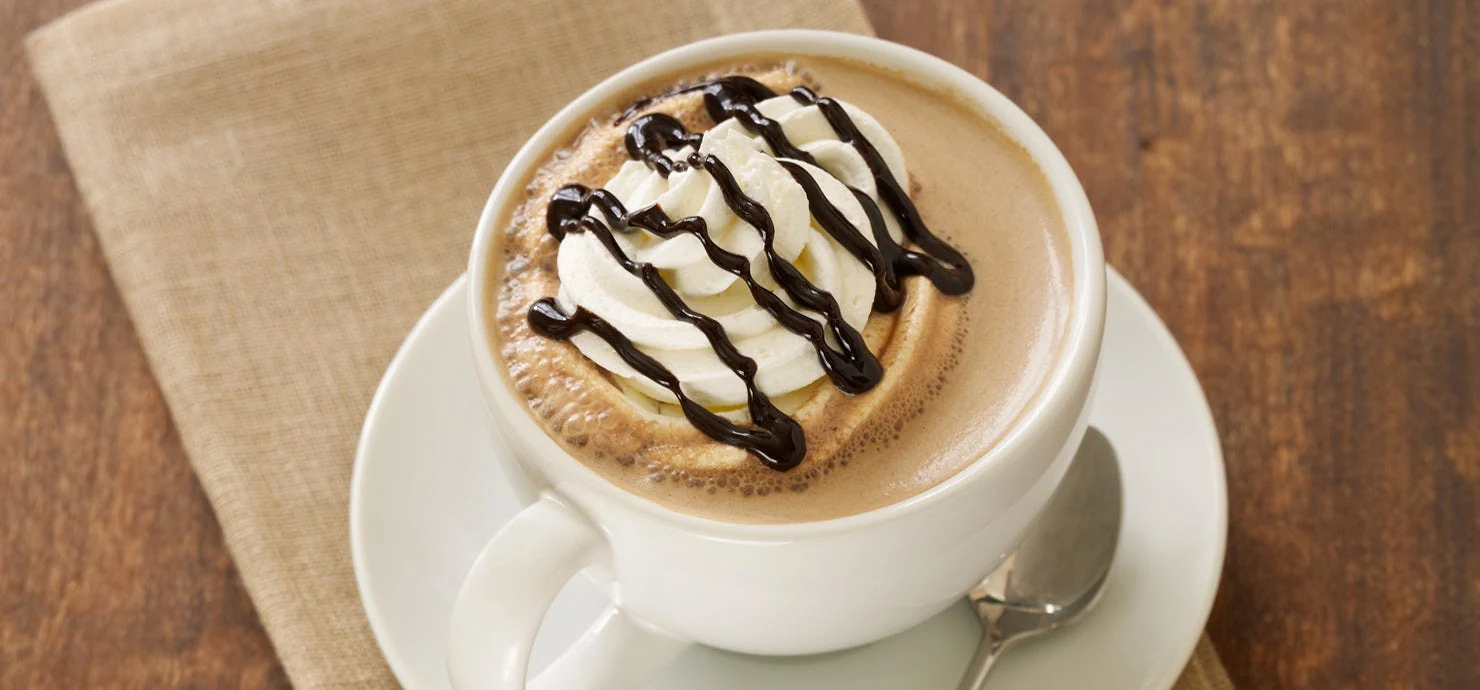
The 16 oz Premium Chocolate Sauce offers a single-bottle supply of cane sugar, invert cane sugar, cocoa, unsweetened chocolate and vanilla extract. It also lists soy lecithin and warns that it may contain milk. For occasional mochas, that quantity is easier to work through than Torani’s four-bottle pack.
Dispensing is the practical compromise. Target owners describe enjoyable mocha lattes alongside a stiff bottle and sauce that becomes difficult to squeeze after refrigeration. Portion the sauce before brewing, then stir it through warm espresso before adding milk. That gives you time to dispense a measured amount and disperse it evenly.
Refrigerate after opening and do not microwave the bottle. Ghirardelli’s replies to dispensing complaints suggest a warm, nonboiling water bath to help flow. Keep water outside the bottle. The chocolate may appeal while the squeeze routine does not, so consider the handling as well as the flavor when choosing your everyday mocha ingredient.
Sweeten the coffee you want to keep
The first choice happens before you open a packet: how much of the coffee’s own flavor do you want in the finished drink? A small espresso gives honey, maple or peppermint very little room to hide. Milk makes a larger drink, brings its own flavor and changes the balance again. Taste the coffee with your usual milk before deciding how much sweetness to add.
Plain cane sugar is a useful starting point when you like the beans and want to keep the recipe simple. A molasses-rich dark brown sugar, dark maple or caramel syrup adds a flavor of its own. Start small enough to taste both ingredients. A coffee with cocoa or toasted-nut notes is a reasonable place to try maple or caramel; a floral honey deserves a cup without another flavored syrup competing for attention.
Keep the espresso recipe familiar while you work on the sweetener. The examples below use a 36 g double espresso as a reference; brew the yield that normally tastes right with your beans. A level teaspoon and a small graduated measure make the next cup easier to repeat. Equal spoonfuls of honey, sugar and concentrated stevia do not establish equal sweetness.
Let honey dissolve before the drink gets cold
Thick honey is easier to incorporate while the espresso is warm. Stir until the shot is uniform, then add milk. Pouring honey into a finished iced latte can leave a concentrated layer at the bottom; an extra squeeze added after a weak first sip can make the last sip much sweeter than intended.
Nate’s squeeze bottle makes a measured dose convenient. A floral Tupelo gives you a different honey character to try. Make each drink with the same coffee and milk, and leave vanilla syrup out of that first comparison so you can taste the honey you chose.
The teaspoon here is a starting dose for one iced latte. If you enjoy the honey flavor but want less sweetness, try ½ teaspoon in the next cup. Give the complete drink a stir before deciding: the honey, coffee and milk need to reach the same sip.
A short cappuccino needs a separate balance. Start with ½ teaspoon in your usual espresso and milk quantities, leaving space for foam. Use the larger glass for the iced version so it has room for milk, espresso and ice.
A smaller hot milk coffee is also a good place to try maple. Stir 1 teaspoon / 5 mL pure maple into 36 g espresso, then add about 90 mL milk, heated or steamed as you normally prefer. Use a cup around 150–180 mL with room for foam. Try Amber Color Maple Grove and Dark Color Butternut in separate cups with the same dose; that gives the maple grades a fair comparison.
If you choose barrel-aged Crown Maple, begin with ½ teaspoon and taste before adding more. Its manufacturer says it may contain trace alcohol. Keep that distinction with the bottle, especially if several maple products share your cupboard.
Build flavor into a milk coffee
Milk quantity is part of a flavored coffee recipe. A teaspoon of vanilla in a short cappuccino and the same teaspoon in a large iced latte produce different balances. Set the coffee and milk amounts first, then adjust the flavor. Switching milk while increasing the syrup makes it difficult to know which change improved the drink.
A vanilla latte starts with the milk
Taste the milk you plan to use. An unsweetened oat milk gives you a clearer starting point for adjusting vanilla; a sweetened or vanilla-flavored carton has already contributed to the drink. For a hot vanilla oat latte, stir 5 mL Torani Vanilla or Starbucks Vanilla into 36 g espresso, heat or steam 150 mL oat milk, then pour and taste. Add another measured 2.5–5 mL syrup only if the completed drink needs it.
Vanilla aroma and sweetness can need different adjustments. If the aroma is already where you want it, more vanilla syrup will strengthen that flavor as well as sweetening the cup. A small addition of your familiar unflavored sweetener gives you another way to adjust. If the drink tastes sweet enough but the vanilla seems lost, check the milk amount and try a coffee whose flavor sits comfortably with it before pouring a larger dose.
Sugar Free Vanilla has a different sweetening base, so taste it in a separate cup and find its own dose. The milk and any toppings still contribute to the finished drink’s sugars. Keep the exact syrup name in your recipe note: ordinary Vanilla and Sugar Free Vanilla are easy to mix up when the note says only “vanilla.”
Give a mocha a clear chocolate base
For a hazelnut mocha, mix 10 mL chocolate syrup into 36 g espresso, then stir in 2.5 mL Torani Hazelnut and add 120 mL heated or steamed milk. The chocolate gets mixed through the shot before the milk goes in, so it can contribute evenly to the drink. Make the same coffee once without hazelnut if you want to judge what that second flavor adds.
Peppermint works as a variation of that mocha: keep the coffee, chocolate and milk quantities, and replace the hazelnut with 2.5 mL regular Torani Peppermint. Taste the complete drink before increasing the mint. These small starting doses leave room to adjust the aroma without immediately changing the whole chocolate base.
A caramel drink raises one more question: how much flavor goes into the coffee, and how much stays on top? Ghirardelli Caramel Sauce can be stirred into the espresso or used as a topping. Either way, include its dose in the recipe. Its milk ingredients also matter when you have chosen a milk alternative.
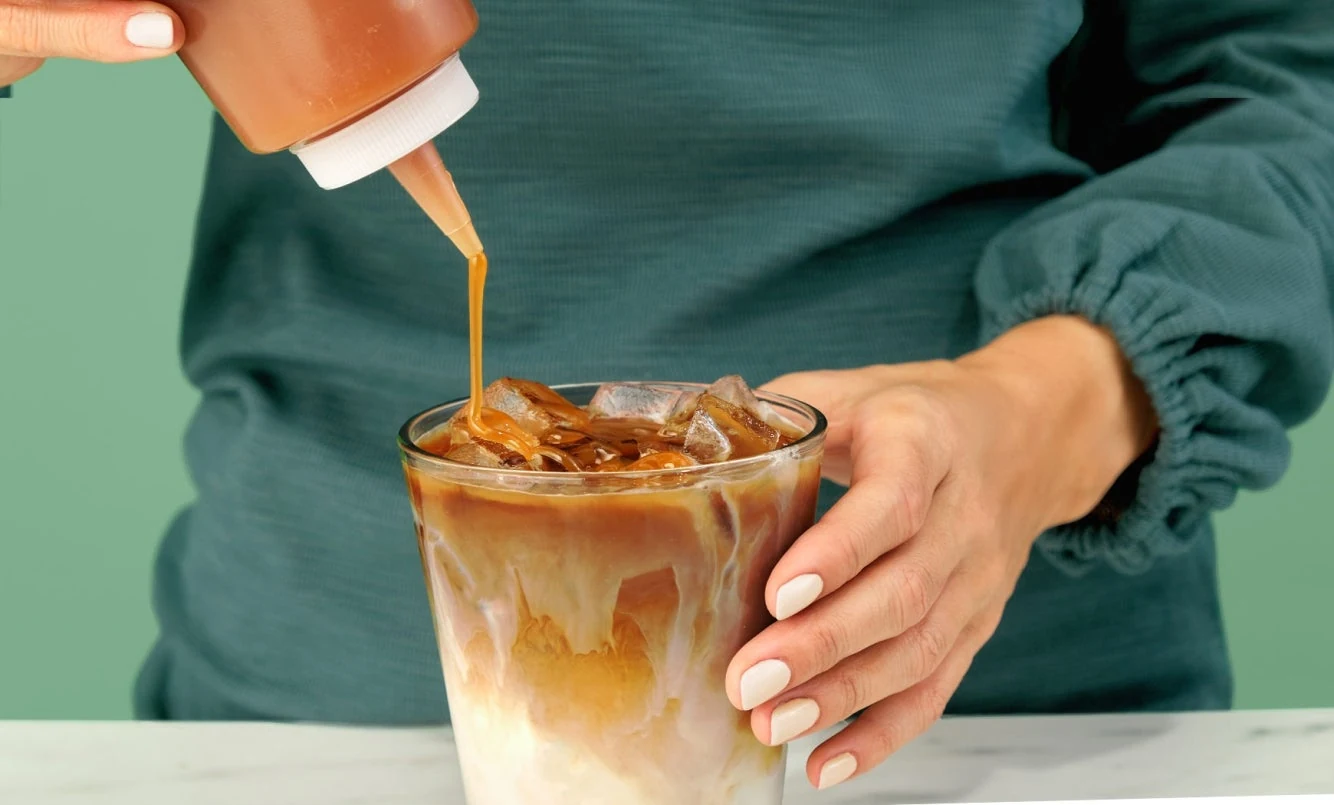
A thin drizzle and a generous squeeze are different additions, even when the pump count underneath stays the same. Measure the sauce for a first cup, then use that amount as your reference. Taste after stirring if you are judging the sweetness of the whole drink; a mouthful from a caramel-rich surface layer gives you a different impression.
Make the next cup taste the same
Mix the sweetener before judging an iced drink
For an iced latte with demerara, stir 1 level teaspoon demerara sugar into 36 g warm espresso until no crystals remain, add 120 mL cold milk, then pour over ice in a glass around 250–300 mL. The same order works for turbinado packets. Check the bottom of the mixing cup before adding milk: coarse crystals left there will not reach the drink in the amount you measured.
Cold brew has no warm shot available for that step. A small measured amount of pourable agave is one convenient starting option. To use a dry sweetener, dissolve the dose separately in a little warm water and record that water with the coffee quantity. It becomes part of the drink’s strength.
Stir all the way to the bottom before tasting. Visible layers make an attractive glass, but a sip from the top can miss syrup or chocolate near the base. Keep coffee, milk and ice in separate notes if you want to reproduce an iced drink: extra ice takes up space during assembly, then adds water as it melts.
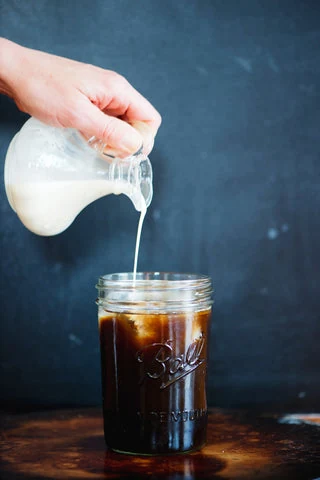
Changing the milk or cream deserves its own trial. Keep the sweetener dose steady, make the drink with the new dairy or milk alternative, and taste the finished balance. Once you like that base, adjust the sweetness. This also helps you avoid compensating for an unfamiliar milk with a large extra pour of syrup.
Put a volume behind the pump count
Prime the pump, collect several complete strokes in a graduated measure and divide the volume by the stroke count. If five strokes collect 40 mL, that setup gives 8 mL per stroke. This is an illustrative measurement, not a specification for a pump supplied with the products here. Recheck when you change the bottle, pump or way you press it; partial strokes are harder to repeat.
For the ordinary Torani Vanilla label used in the chart, an 8 mL portion corresponds to about 5.3 g total sugars: 20 × 8 ÷ 30. That accounts for this syrup only. Milk, chocolate and caramel toppings have their own contributions, so keep their amounts alongside the pump count.
Adjust the finish when using concentrated sweeteners
With stevia and monk fruit, the first sweetness and the finish after swallowing may lead you to different choices. Start with the exact product’s serving directions, stir thoroughly and take a second sip before adding more. If a smaller dose gives a finish you prefer but too little sweetness, try another formula in the next cup.
For a drop-sweetened iced latte, shake NOW Organic BetterStevia Glycerite as directed, count 3 drops into 36 g espresso, then stir in 120 mL cold milk. Taste before adding another drop, mix again, and pour over ice. Three drops is a first trial within this product’s three-to-five-drop direction. A smaller drink or a different liquid concentrate needs its own dose.
A useful note can be one line: the exact sweetener, its measured dose, espresso yield and milk quantity. Add the topping and ice routine where relevant. Make the next cup from that note, then change the ingredient that still needs adjusting. You will have a comparison you can taste and repeat.
Keep the label, and buy a supply you will use
Start with a familiar everyday sweetener and one flavor you regularly enjoy. Once you know how often you make a maple coffee or peppermint mocha, the package quantity becomes easier to judge. Ten pounds of cane sugar, six agave bottles and four peppermint bottles take more cupboard space than an individual purchase. The Torani four-flavor set contains four full 750 mL bottles.
Check the date, seal and readable ingredient label on delivery. Before decanting, keep the formula and serving directions with the working container. Truvia’s jar and packets use different measures; SPLENDA’s liquid and stevia packets use different sweetening bases. Keep the conversion with the exact formula you use.
- Dry ingredients. Reseal the bag and use a dry spoon. Label a working container with the formula name, especially if stevia or monk fruit blends sit beside ordinary sugar.
- Honey. Use a clean spoon or wipe the dispensing closure. Follow the jar’s storage directions. Crystallization can change the handling; it does not establish a new sweetness conversion.
- Pure maple syrup. Refrigerate after opening. Keep the cap and neck clean, and make room for the selected bottle or jug before opening it.
- Flavored coffee syrups. Follow the bottle’s own directions. The Monin Salted Caramel instructions checked here specify room-temperature storage; other pantry syrups and sauces may require a different routine.
- Chocolate and caramel toppings. Read their separate storage labels. Ghirardelli Caramel Sauce says refrigerate after opening and do not microwave the container.
For a shared coffee station, keep sugar and substitutes clearly distinguishable, identify the flavor on a pumped bottle and retain allergen information for sauces. The guide to individually wrapped coffee-station snacks covers the food beside those drinks.
Once a recipe tastes right, keep it where you make the coffee. A clean measuring spoon, a clearly labeled ingredient and that short note are enough to bring the same honey latte, vanilla coffee or mocha back into the cup.
A few label terms worth recognizing
Sources
FDA: added sugars on the Nutrition Facts label — how honey, syrups and other sugars fit the label.
FDA: sweeteners in food — high-intensity sweeteners, including steviol glycosides and monk fruit extracts.
FDA: allulose on nutrition labels — its treatment in total sugars, added sugars and calorie declarations.
Frequently asked questions
Can I put honey directly into espresso?+
Yes. Measure a small amount into the warm espresso and stir thoroughly before adding milk or ice. Thick honey needs more mixing than a pourable syrup. Taste the completed drink before increasing the dose.
Why does my stevia or monk fruit sweetener list another ingredient first?+
Concentrated extracts are often blended with a carrier to make them easier to portion. The products here use carriers including inulin, dextrose, erythritol and allulose. Read the exact formula and its serving directions rather than assuming the package contains only the named extract.
Can I replace a teaspoon of sugar with a teaspoon of liquid stevia?+
Do not use that conversion for a concentrated drop product. Follow the liquid’s drop directions and adjust a little at a time. A 1:1 replacement statement on a granulated bag does not apply to a separate liquid bottle.
Which format is easiest for iced coffee?+
A measured liquid syrup is convenient. For an iced latte, dissolve granulated sugar or honey in the warm espresso before adding cold milk and ice. For cold brew, choose a liquid or dissolve a measured dry dose separately in a small amount of warm water.
Is maple syrup the same as pancake syrup?+
No. Check the ingredient list for 100% pure maple syrup if that is what you want. Other breakfast syrups can use different sweetening ingredients and flavors. They are separate products with their own labels and storage directions.
How much syrup is one pump?+
It depends on the pump and how you press it. Prime it, collect several complete strokes in a graduated measure and divide the total volume by the number of strokes. Do not assume a pump from another bottle gives the same amount.