Beginner’s Guide to Espresso Grinders (2026): How to Choose + 8 Beginner‑Friendly Picks
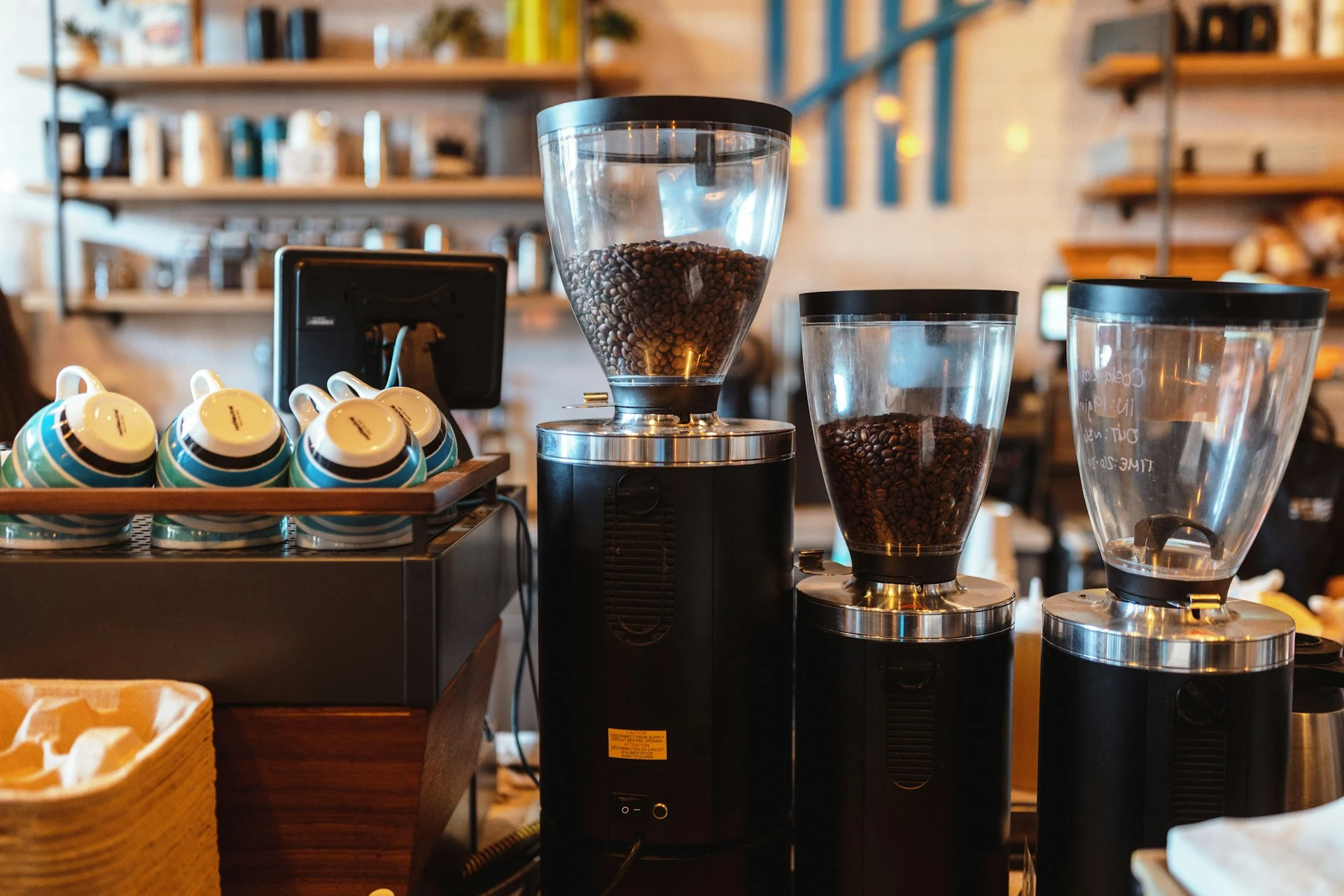
A beginner grinder guide has one job: get you to a setup that’s repeatable enough to enjoy espresso at home. This page gives you a fast way to choose the right grinder workflow (manual vs electric, hopper vs single‑dose), then a shortlist of eight grinders that are easier to dial in than the typical “cheap grinder” trap.
Quick Picks: Espresso Grinders for Beginners
Short on time? Start here. Each pick matches a beginner profile and links to the full review section. The review order is sorted by type: manual → hopper electric → single‑dose.
-
Best budget manual: KINGrinder K6
↓ Jump to Review -
Best manual for espresso (fine steps): 1Zpresso J‑Ultra
↓ Jump to Review -
Best budget electric (hopper): Baratza Encore ESP
↓ Jump to Review -
Easiest interface (hopper): Breville Smart Grinder Pro
↓ Jump to Review -
Fast espresso specialist: Baratza Sette 270
↓ Jump to Review -
Best quiet electric (stepless, flat burr): Eureka Mignon Silenzio
↓ Jump to Review -
Best single‑dose value (flat burr): DF54
↓ Jump to Review -
Best “upgrade for years” (single‑dose, flat burr): DF64 Gen 2
↓ Jump to Review
If your shots taste random, it’s usually not your espresso machine. It’s grind consistency, adjustment resolution, and how predictable your daily routine is. Beginners don’t need a “perfect” grinder — they need one that makes it obvious what to change when a shot runs fast or slow.
The picks below are organized by grinder type so you can match them to real life: two manual grinders (quiet, value), four hopper‑style electrics (simple daily routine), and two single‑dose flat‑burr grinders (switch beans often, lower retention). Prices change. Treat this as a practical shortlist, not a ranking carved in stone.
Choose in 60 seconds
Don’t overthink burr geometry or marketing language on your first grinder. Answer these four questions honestly, and you’ll land in the right category.
- How many drinks in your busiest morning? If it’s 1–2, manual can be a great value. If it’s 3+ or you make milk drinks for two people, electric is usually the sane choice.
- Do you switch beans often? If you like variety, single‑dose is easier. If you buy one bag and stick with it, hopper grinders feel simpler day‑to‑day.
- Is noise a real constraint? If yes, avoid “fast but loud” grinders and consider a quiet flat‑burr hopper grinder or a manual grinder.
- Are you using a pressurized basket? Pressurized baskets are forgiving and can work with coarser, less precise grinding. Non‑pressurized baskets reward grind precision — and expose weak grinders immediately.
If you’re unsure, pick the workflow that removes the most friction. Beginners quit espresso because it feels chaotic. The right grinder makes adjustments predictable: one change, one result.
The non‑negotiables for beginner espresso
Espresso is unforgiving because it’s sensitive to tiny changes in particle size and flow resistance. A grinder doesn’t need to be expensive to be “espresso‑capable,” but it must meet a few basic requirements.
Blade vs burr (this is not optional)
Blade grinders chop. Burr grinders cut. For espresso you need repeatability — and that starts with burrs. If you’re serious about learning espresso, start with a burr grinder and skip the dead‑end upgrades.
What “espresso‑capable” actually means
- Adjustment resolution: small enough steps (or stepless control) to move from “too fast” to “correct” without overshooting.
- Consistency: the grinder should produce a similar grind for the same setting from day to day, not a random mix of boulders and dust.
- Workflow control: predictable dosing and manageable mess so you can change one variable at a time while learning.
Stepped vs stepless: the beginner trade‑off
Stepped grinders are simpler: click to a number and you can return to it. Stepless grinders are more flexible and can be easier to dial in once you learn the feel. For beginners, the best outcome is either: (1) a stepped grinder with espresso‑friendly steps, or (2) a stepless grinder with stable adjustment that won’t drift.
Conical vs flat burr: useful, but not the first decision
Both can make excellent espresso. Conicals often feel forgiving and are common in hopper grinders. Flat‑burr grinders are common in single‑dose workflows and can feel cleaner in the cup, but the workflow matters more than the burr type for your first year of home espresso.
Workflow that matters (where beginners get stuck)
Hopper vs single‑dose
Hopper grinders are “load beans, press button.” Single‑dose grinders are “weigh beans, grind, and keep retention low.” The better option is the one you will actually do every day.
- Choose hopper if you want speed and simplicity, drink the same beans for a while, and don’t mind a little retention.
- Choose single‑dose if you switch beans, like decaf sometimes, or want tighter control over how much old coffee stays inside the grinder.
Retention (and why your first shot can taste “off”)
Retention is coffee that stays inside the grinder between shots. On a hopper grinder, the first grind of the day can contain some older grounds. It’s not a disaster — it’s just something to understand. Beginners often blame the machine for “inconsistent espresso,” when the real issue is retention and routine.
Noise and mess: don’t ignore them
A grinder you hate using becomes a grinder you stop using. Noise matters in apartments. Mess matters if your kitchen is shared. If the workflow feels annoying, you will avoid dialing in — and espresso will stay frustrating.
The 8 best espresso grinders for beginners (sorted by type)
These aren’t “the only good grinders.” They’re grinders with beginner‑friendly adjustment and workflows that make dial‑in more predictable. Each section highlights what you gain, what you give up, and who should skip.
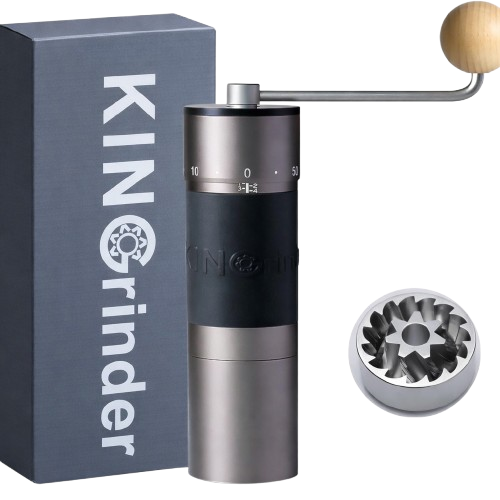
1) KINGrinder K6 — Best budget manual grinder for espresso
K6 is the manual grinder pick for beginners who want real espresso results without paying electric‑grinder money. You trade time and effort for consistency and low noise. If you make one or two drinks per day, manual can be the simplest way to get “espresso‑capable” grinding on a tight budget.
Why it works for beginners
- Quiet and predictable: great if noise is a deal‑breaker.
- Fine control: small enough adjustments to learn dial‑in without constant frustration.
- Low mess routine: weigh beans → grind → dose; no hopper management.
What you give up
Speed. If you’re making multiple milk drinks in a row, manual grinding can feel like a chore. It’s also less convenient if you expect “push button, coffee now.”
Beginner tip
Keep your dose and tamp consistent while learning. Use grind size as your main lever, and only adjust dose after you have repeatability.
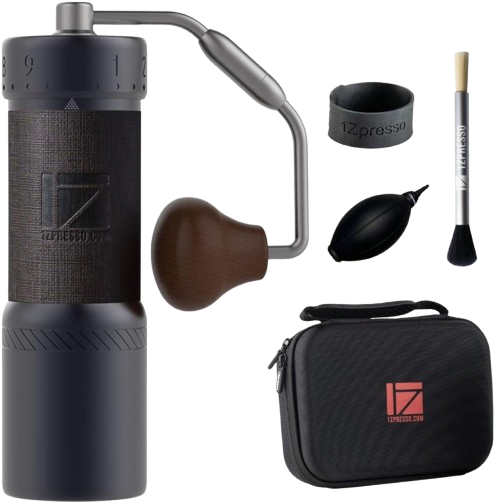
2) 1Zpresso J‑Ultra — Best manual grinder when espresso is the priority
J‑Ultra is the “I’m serious about espresso” manual grinder. It’s built around fine adjustment steps that make it easier to land on a sweet spot with non‑pressurized baskets. For a beginner who wants a premium manual workflow (and doesn’t mind manual effort), it’s one of the most straightforward paths to repeatable shots.
Why it works for beginners
- Espresso‑friendly adjustment: fine steps help you avoid “too fast” vs “choked” extremes.
- Repeatability: it’s easier to return to a known setting when you change beans or dose.
- Quiet workflow: excellent for early mornings.
Who should skip it
If you want multiple back‑to‑back milk drinks with minimal effort, an electric grinder will make you happier long‑term.
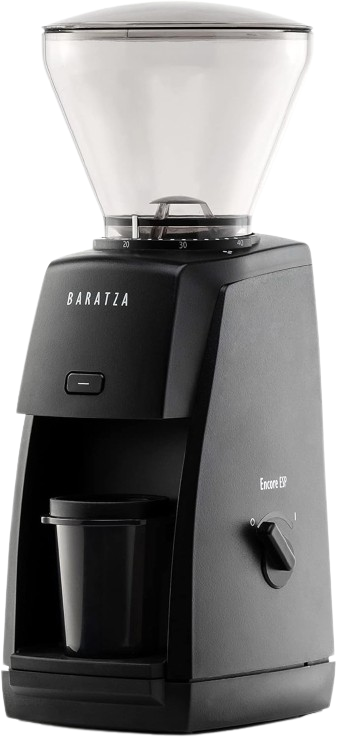
3) Baratza Encore ESP — Best budget electric hopper grinder for espresso
Encore ESP is the “buy once, start learning” electric pick. It’s aimed at beginners who want espresso adjustments without stepping into premium grinder pricing. As a hopper grinder it feels simple: fill beans, set a grind range, and focus on dial‑in and puck prep.
Why it works for beginners
- Beginner‑friendly espresso range: small steps where espresso lives.
- Simple daily routine: hopper workflow fits “coffee before work.”
- Good learning platform: the grinder doesn’t hide problems, but it also doesn’t punish you for small mistakes.
What you give up
Compared to more expensive grinders, you may see more static or clumping, and switching beans is less convenient than on a single‑dose design. The trade‑off is value and simplicity.
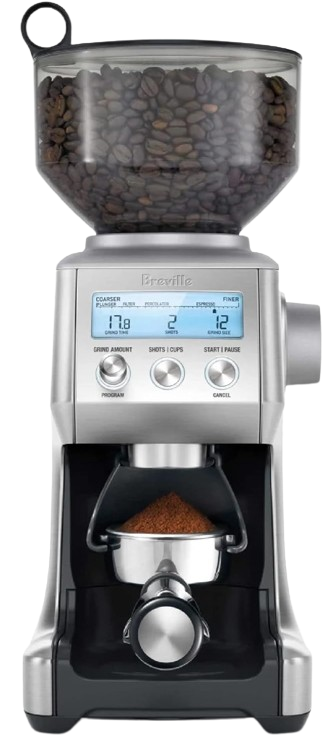
4) Breville Smart Grinder Pro — Easiest interface for beginners
Smart Grinder Pro is popular because it’s approachable: clear controls, a timer‑based workflow, and a “kitchen appliance” feel. For beginners who want to reduce decision fatigue, that matters. It’s a practical pick when you value convenience and availability over boutique single‑dose routines.
Why it works for beginners
- Low friction: the UI is simple, and the grinder integrates well into a casual morning routine.
- Wide usability: works for espresso and other brew methods when you’re still experimenting.
- Helpful for shared kitchens: non‑enthusiasts can use it without learning single‑dose rituals.
Beginner tip
Treat time‑based grinding as a starting point, not a guarantee. When you change beans, humidity, or grind size, re‑check your dose with a scale until you learn the grinder’s behavior.
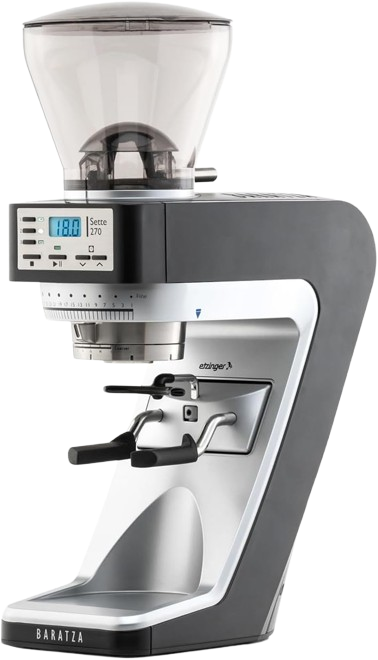
5) Baratza Sette 270 — Fast espresso specialist (speed over silence)
Sette 270 is the pick for people who want fast, espresso‑focused grinding. It can be a strong beginner choice if your priority is pulling multiple shots quickly and dialing in espresso without feeling like you’re waiting on the grinder.
Why it works for beginners
- Fast workflow: great for back‑to‑back shots and milk drinks.
- Espresso intent: designed around espresso grind range and adjustment.
- Less waiting, more learning: you spend time tasting and adjusting, not standing around.
Who should skip it
If noise is a major issue in your home, choose a quieter grinder. Speed often comes with sound.
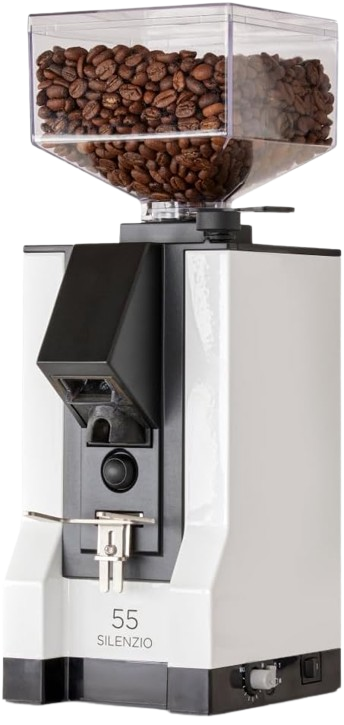
6) Eureka Mignon Silenzio — Quiet stepless flat‑burr hopper grinder
Silenzio is built for people who want a traditional hopper grinder with stepless adjustment — but without the harsh noise that makes early mornings miserable. If you want an “adult countertop” workflow that feels stable and calm, this is the category that tends to satisfy long‑term.
Why it works for beginners
- Quiet routine: a real advantage if you make espresso while others sleep.
- Stepless control: easier to “land” on a sweet spot without being stuck between clicks.
- Stable daily behavior: predictable results make learning faster.
Beginner tip
With stepless grinders, take notes on your setting when you find a good shot. A tiny movement can matter. Marking the dial position with a small sticker is a simple way to build repeatability.
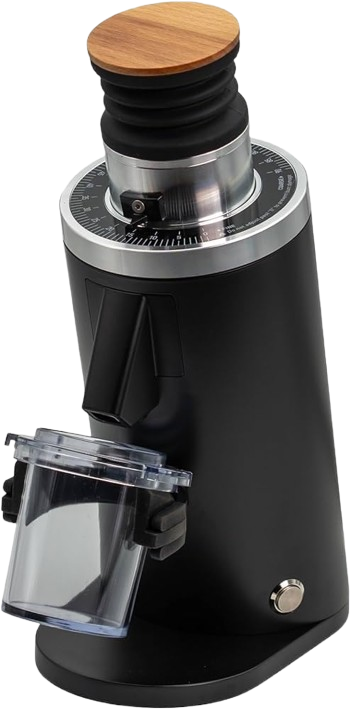
7) DF54 — Best single‑dose value (flat burr, low‑retention workflow)
DF54 is the “single‑dose starter” pick: a flat‑burr grinder built around the idea of weighing each dose, grinding it, and keeping old coffee inside the grinder to a minimum. It’s a great fit for beginners who like experimenting with beans or want decaf sometimes without committing to a full hopper.
Why it works for beginners
- Bean‑switch friendly: weigh each dose and change coffees without “clearing a hopper.”
- Lower retention mindset: easier to keep your results consistent as you learn.
- Flat‑burr single‑dose workflow: aligns with modern home espresso routines.
What you give up
Single‑dose is a ritual: weighing beans and sometimes using a bellows or tapping routine. If you want “press button, done,” a hopper grinder will feel easier.
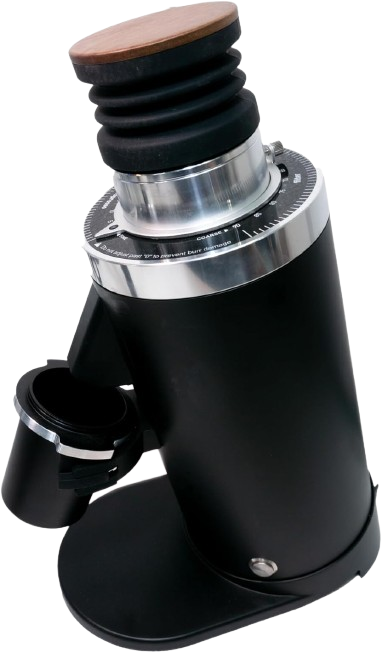
8) DF64 Gen 2 — Best long‑term upgrade (single‑dose platform)
DF64 Gen 2 is the “buy it and grow into it” single‑dose pick. Beginners who already know they want to experiment with different coffees often end up here because the workflow supports that lifestyle: low retention, repeatable adjustments, and a platform that can stay relevant as your skills improve.
Why it works for beginners (who want to learn fast)
- Clear feedback loop: changes in grind show up clearly in shot time and taste.
- Single‑dose control: easier to troubleshoot because you know exactly what you put in.
- Upgrade path: a grinder you can keep as your espresso setup improves.
Who should skip it
If you want the fastest possible “appliance” routine with no weighing, you may be happier with a hopper grinder. DF64 shines when you accept a small ritual in exchange for control.
Beginner dial‑in checklist (repeatable espresso in 6 steps)
The goal is not perfection on day one. The goal is a repeatable loop: change one variable, measure, taste, adjust. Here’s the simplest path that works with every grinder above.
- Pick a dose and stick to it: choose a starting dose your basket is built for, then keep it constant while dialing in.
- Grind, distribute, tamp the same way: consistency beats “fancy tools” at the beginning.
- Pull a shot and measure output: use a scale so you know if you actually changed anything.
- Adjust grind size first: if the shot is too fast, grind finer; if too slow, grind coarser.
- Only then adjust dose: dose tweaks are useful, but beginners use them too early and create confusion.
- Write down the setting that worked: especially for stepless grinders.
Cleaning & upkeep (keep the grinder predictable)
Old grounds and oils make espresso taste worse and make grinders behave inconsistently. You don’t need an obsessive routine — you need a simple one you’ll actually follow.
- Weekly: brush the chute and wipe the catch cup or dosing area.
- Monthly: deeper clean according to the manufacturer’s instructions; clear built‑up oils and fines.
- When changing dark roasts: expect more oil residue and clean a bit more often.
FAQ
Can I start espresso with pre‑ground coffee?
You can start with a pressurized basket and learn the basics of your machine. But if you want non‑pressurized espresso with real control, a grinder is the upgrade that matters most.
Do I need stepless adjustment?
Not strictly. What you need is a grind adjustment that can land in the espresso sweet spot without making you bounce between “too fast” and “too slow.” Good stepped espresso grinders and stable stepless grinders both work.
Is single‑dose always better?
Single‑dose is better when you switch beans and care about retention. Hopper is better when you want speed and simplicity. “Better” is the workflow you will actually stick to.
Why does my espresso change even when I keep the same setting?
Beans age, humidity changes, and your dose/tamp can drift without you noticing. Beginners often need a scale more than they need a new machine. Start by controlling dose and output weight, then adjust grind.
Bottom line: pick the workflow that keeps you consistent
If you want the simplest electric start, choose the hopper workflow and learn dial‑in on something like Encore ESP or Smart Grinder Pro. If noise is a real constraint, Silenzio (or a manual grinder) can save your mornings. If you love changing beans, DF54 is the easiest entry into single‑dose, and DF64 Gen 2 is a stronger long‑term platform if you already know you’ll stick with the ritual.
Espresso gets fun when it’s predictable. Your grinder choice should reduce friction, not add it. Pick the category that matches your daily routine — then practice one repeatable dial‑in loop until you can taste your changes.