Bottomless Portafilters & Precision Baskets: A Practical Compatibility Guide for 54mm and 58mm Setups
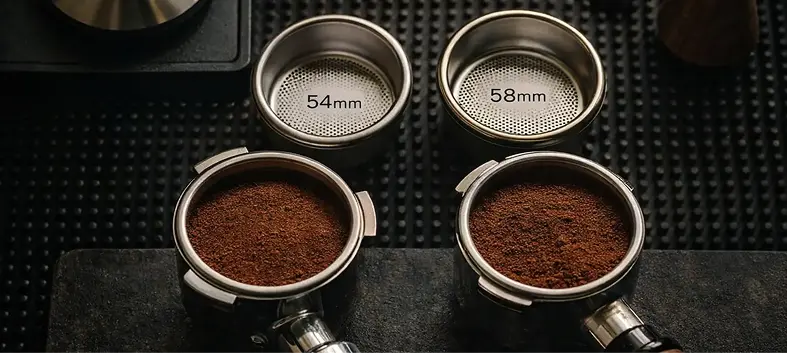
Bottomless portafilters and precision baskets are two of the most common “upgrades” people buy after getting an espresso machine. They’re also two of the easiest ways to waste money if you buy the wrong thing.
Quick Picks: Bottomless Portafilters & Precision Baskets
Use this shortlist to match your setup first. The rest of the article explains why these picks fit, what usually goes wrong (ears, ridges, headspace), and how to fix “bottomless spraying everywhere” without buying random accessories.
-
54mm Bottomless (Breville/Sage): ASIN B08RNJRDGW
↓ Jump to Pick -
54mm Precision Basket (Everyday 14–18g): ASIN B092SVTY2T
↓ Jump to Pick -
54mm Precision Basket (Upgrade / Coated): ASIN B0BR5RY6XN
↓ Jump to Pick -
58mm Bottomless (Gaggia Classic family): ASIN B0C7CY4RRQ
↓ Jump to Pick -
58mm Bottomless (Rancilio Silvia): ASIN B00TECLIQA
↓ Jump to Pick -
58mm Bottomless (E61 / 2‑ear group): ASIN B09XB773CK
↓ Jump to Pick -
58mm Precision Basket (Everyday): ASIN B076TQZN2K
↓ Jump to Pick
Before You Buy: Size, Ears, and Basket Fit
Most compatibility problems come from three realities:
- 54mm vs 58mm is not a suggestion. It’s a hard constraint.
- “58mm” is not universal. Bayonet lugs (“ears”) and locking geometry vary by machine family.
- Baskets don’t behave like “one size fits all.” Ridged vs ridgeless, spring clip tension, basket depth, and dose/headspace can turn a “precision upgrade” into a messy, frustrating experience.
This guide is designed for one outcome: you can identify what you need fast and avoid the common mismatch mistakes. No hype, no magical promises - just practical fit logic, plus specific product-page picks you can click and verify.
What to buy first (so you don’t create extra problems)
People often buy bottomless first because it looks “pro.” That can be the right move - if your goal is diagnosing puck prep. But if you’re chasing consistency and you already have a decent grinder, a precision basket can be the better first purchase.
Buy a bottomless portafilter first if:
- You want to see what your puck prep is doing (channeling, uneven flow, spurting).
- You’re willing to fix technique (distribution, tamp level, dose/headspace).
Buy a precision basket first if:
- Your goal is repeatability (more consistent resistance and flow when everything else is controlled).
- You’re okay adjusting grind size and dose to match the basket.
Buy both if:
- You understand you’ll need a short dial-in period.
- You want a stable basket + a bottomless tool to confirm improvements.
One warning that saves money: a precision basket can expose grinder limitations. If your grinder produces uneven particle distribution, a “more precise” basket may highlight the problem, not solve it.
Find your fit in 60 seconds
Step 1: Confirm your diameter (54mm or 58mm)
- 54mm is most commonly Breville/Sage home machines.
- 58mm includes Gaggia Classic family, Rancilio Silvia, and many E61-group machines (Rocket/ECM/Profitec/Expobar and others).
If you’re unsure, don’t guess. Check your stock portafilter or your machine specs.
Step 2: If you’re 58mm, identify your “ear” family
This is where most people fail. The listing may say “58mm bottomless,” but that doesn’t guarantee it will lock into your group head. You need the machine family:
- Gaggia Classic family
- Rancilio Silvia
- E61 / 2-ear group
Fastest verification: compare your stock portafilter lugs to product photos, and look for explicit compatibility text on the product page (not just the word “58mm”).
Step 3: Decide your basket style (ridged vs ridgeless)
Basket style matters for how the basket seats and how easily it releases.
- Ridged baskets have a retaining ridge around the outer wall.
- Ridgeless baskets don’t.
Some portafilters (and especially some spring clips) hold one style better than the other. A mismatch can cause baskets that get stuck, fall out, or won’t seat properly.
Step 4: Confirm dose range and depth
A 15-18g basket behaves differently than a 20-22g basket. Overload a shallow basket and you reduce headspace - raising the chance of messy bottomless spurting and unstable flow.
54mm Quick Picks (Breville/Sage)
1) 54mm Bottomless Portafilter (Breville/Sage)
A bottomless portafilter doesn’t “upgrade flavor.” It upgrades feedback. You see channeling instantly. You also see when everything is right: a steady, centered flow that looks calm, not explosive. Choose a 54mm bottomless if you want to improve puck prep and you’re okay with a learning curve.
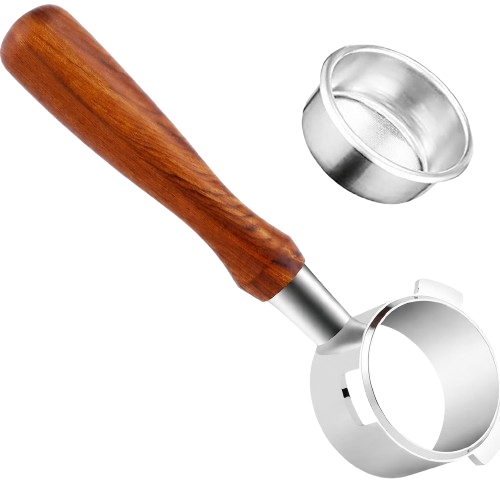
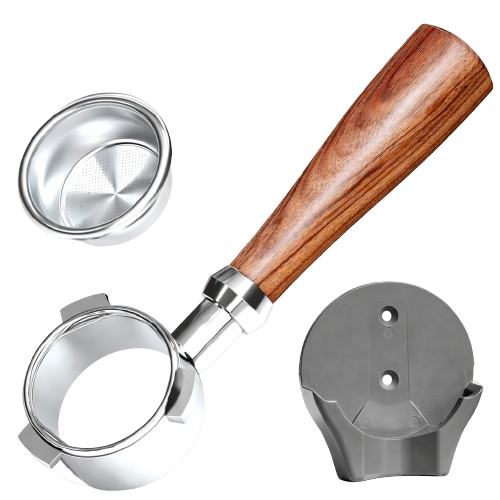
Practical advice: if your goal is minimal hassle, don’t chase the prettiest handle—chase clear compatibility and consistent machining.
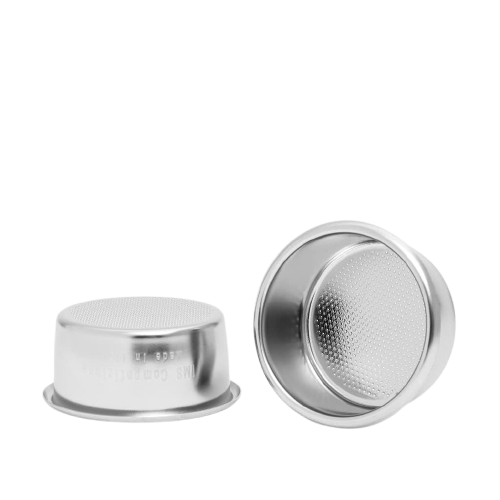
2) 54mm Precision Basket (Everyday 14–18g)
For most people, the “everyday” precision basket should be in the 14-18g range. It’s a sensible window for espresso shots, milk drinks, and typical home grinder limitations. After you install it, expect to adjust grind size, dose, and puck prep. Precision baskets are less forgiving - but they can be more repeatable.
3) 54mm Precision Basket (Upgrade / Coated)
This is optional. An “upgrade” basket should justify itself with something real - coating/finish, easier cleanup, or simply a better experience once your shots are already consistent. If you’re still fighting basic dialing-in, get the everyday basket first and come back later.
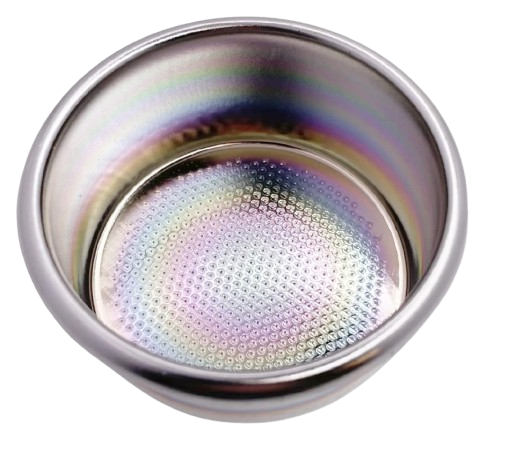
58mm Quick Picks (split by machine family)
This is where returns happen. “58mm” tells you the basket diameter - but it does not guarantee the portafilter will lock in. Buy for your machine family, then verify by comparing your stock lugs to listing photos.
4) 58mm Bottomless for Gaggia Classic family
Gaggia is a common entry into 58mm workflow on a manageable budget. But compatibility still matters - buy a Gaggia-specific bottomless, not a generic “58mm.”
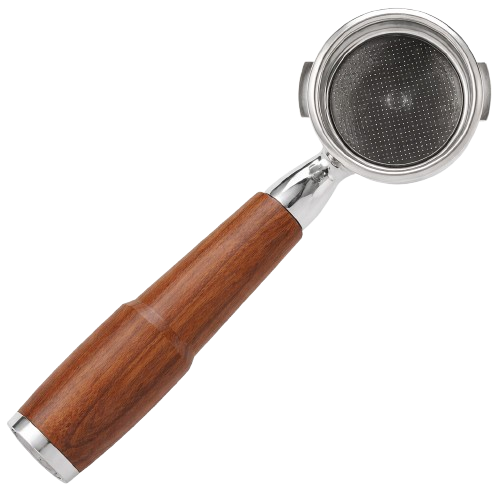
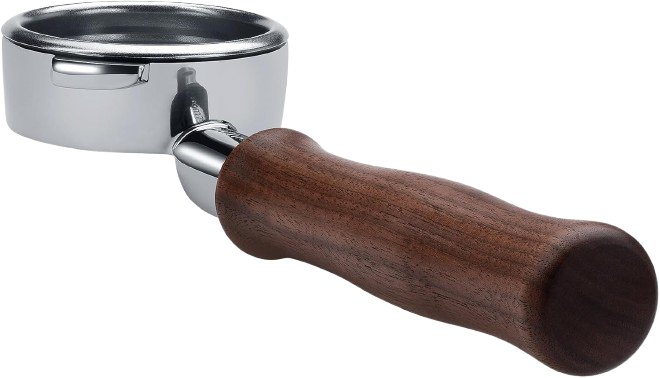
5) 58mm Bottomless for Rancilio Silvia
Silvia is its own standard. If you buy a portafilter labeled for E61, it may not fit Silvia. Don’t “hope” it will - get a Silvia-compatible bottomless.
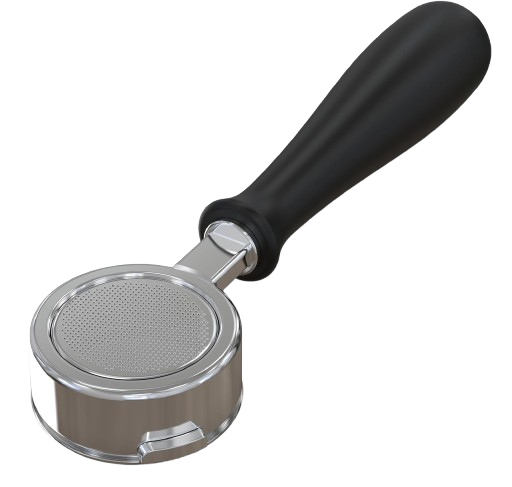
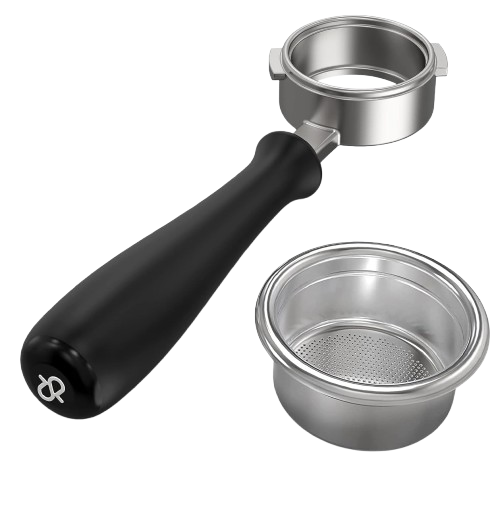
6) 58mm Bottomless for E61 / 2‑ear group
E61 machines are common and expensive enough that buying the wrong portafilter feels especially stupid. Look for explicit “E61 / 2‑ear” compatibility and compare lugs to your stock portafilter.
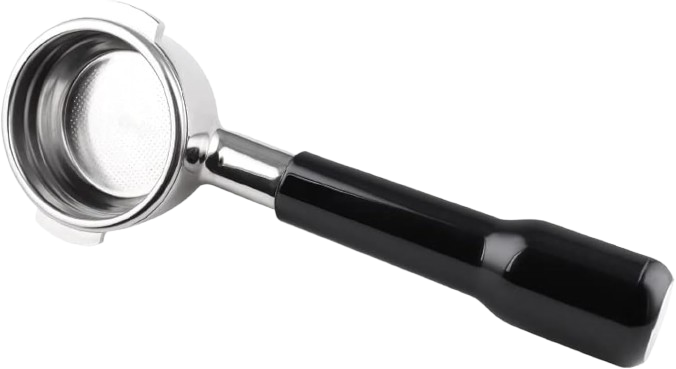
7) 58mm Precision Basket (Everyday)
For “everyday” 58mm use, pick a basket that matches your dose and leaves reasonable headspace. The common starting point is around 18g, but many people end up happier slightly lower (more headspace, calmer flow) or slightly higher (more body) depending on grinder and prep.
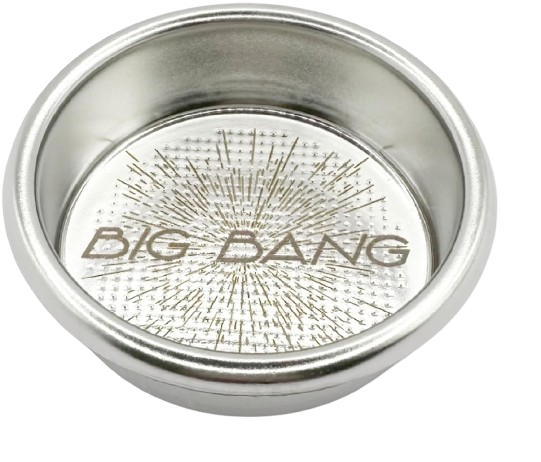
Before you buy: 6 checks that prevent compatibility headaches
1) Confirm your portafilter “ears” (58mm only)
This is the biggest money-waster in 58mm. If the product page doesn’t clearly state compatibility or the photos look different than your stock portafilter - assume risk. Match the pick to your machine family first (Gaggia vs Silvia vs E61), then verify lugs visually.
2) Confirm basket style: ridged vs ridgeless
Ridgeless baskets can be easier to swap in some setups, but it depends on your portafilter design and retention clip. Ridged baskets can feel more secure in some portafilters. There’s no universal “better” - only “works with your retention method.”
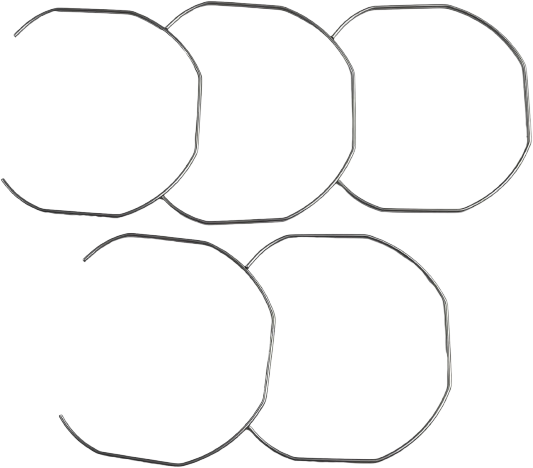
3) Inspect your portafilter spring clip (basket retention)
That small clip is often the real villain. If your basket gets stuck, sits too loose, or won’t seat properly, the clip tension or shape may be wrong for that basket style. A replacement set is cheap and can solve issues that look like “the basket is wrong.”
4) Check basket depth and dose range
Precision baskets vary in depth. A deeper basket supports a higher dose while maintaining headspace. A shallow basket overloaded with coffee reduces headspace and increases channeling risk - especially in a bottomless setup. Start within the basket’s intended dose window and adjust from there.
5) Headspace matters more than you think
Headspace is the space between the puck and the shower screen. Too little headspace makes the puck interact with the shower screen and destabilizes extraction. Quick check: after tamping, lock in gently and remove. If you see heavy screw imprinting or obvious puck disturbance, your dose/headspace is off.
6) Don’t upgrade blindly if your grinder is the bottleneck
A precision basket expects a grinder that can produce a consistent fine range and doesn’t collapse into random clumps every dose. If your grinder is inconsistent, a “more precise” basket can make your workflow feel worse, not better.
Why bottomless “sprays everywhere” (and the fix order)
Bottomless doesn’t create the mess - it exposes instability. When water finds weak zones in the puck, it jets through channels. Spouts hide it. Bottomless shows it. Fix it in order. Don’t change everything at once.
- Step 1: Tighten grind slightly. If the shot runs too fast, water never builds even resistance across the puck.
- Step 2: Fix distribution. Clumps and voids become channels. Break clumps and distribute evenly before tamping.
- Step 3: Tamp level, not “hard.” A crooked tamp is a channeling machine. Aim for flat and consistent.
- Step 4: Match dose to basket depth. Overfilling reduces headspace and increases instability. Start within the basket’s intended dose range.
- Step 5: Only then consider small stabilizers. Accessories can help, but they’re not a substitute for grind + distribution + tamp + dose.
A good bottomless shot often looks “boring”: calm, centered, consistent flow. That’s not a lack of skill - that’s the goal.
Precision baskets: what they change (and what they don’t)
A precision basket can improve repeatability - but only when your inputs are stable. Think of it like tightening tolerances: you may gain consistency, but you also lose forgiveness.
A precision basket can:
- Improve repeatability when grind and puck prep are controlled.
- Make flow behavior more consistent across shots.
- Reduce weird shot-to-shot randomness once dialed in.
A precision basket cannot:
- Fix stale beans.
- Fix a weak or inconsistent grinder.
- Fix sloppy puck prep.
- Replace dialing-in.
If you want a workflow refresher, read our dialing-in guide once, then come back and use bottomless as your feedback tool: How to Dial In Espresso.
FAQ
Does a bottomless portafilter improve taste?
Not directly. Taste improves when bottomless reveals problems and you fix them. If your shots are already stable, bottomless won’t magically change flavor.
Do I need a precision basket as a beginner?
If you’re comfortable dialing in and you have a decent grinder, it can help. If you’re fighting basic consistency, fix technique and grinder variables first.
Why does my basket get stuck or fall out?
Often it’s spring clip tension combined with ridged/ridgeless mismatch. It’s usually not “bad luck”- it’s retention geometry.
Why did my shots get worse after installing a precision basket?
Because your previous basket may have been more forgiving. Precision baskets typically require tighter grind tuning and cleaner puck prep.
Is 58mm “better” than 54mm?
Not inherently. 58mm is simply a widely supported standard with many accessories. You can pull excellent espresso on 54mm with the right workflow.
Bottom line
If you remember only three things, remember these:
- Diameter is step one: 54mm vs 58mm.
- 58mm is not universal: ears/lugs matter.
- Basket fit is a system: basket style + spring clip + depth + dose/headspace.
Start simple: match your size and machine family first, then buy one upgrade (bottomless or a precision basket), dial it in, and only then add the next piece. Once fit is correct, the rest is technique—not guesswork.